Art Well
Practice self-care through art activities
Try following activities at home…
Content
Why should you try following art activities
Art Activities
- Emotional exploration through colour and movement
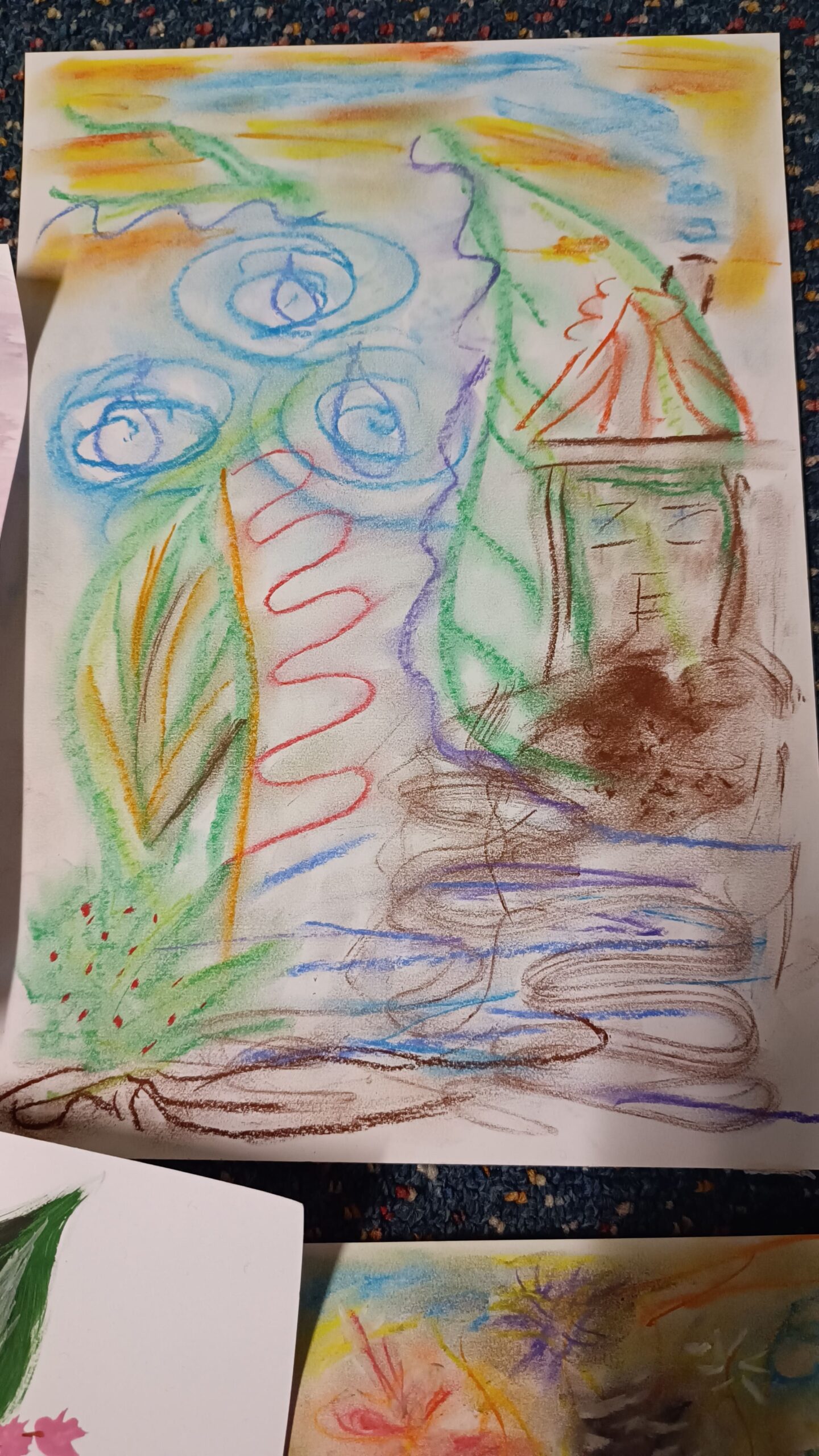
- The secret map of inner worlds
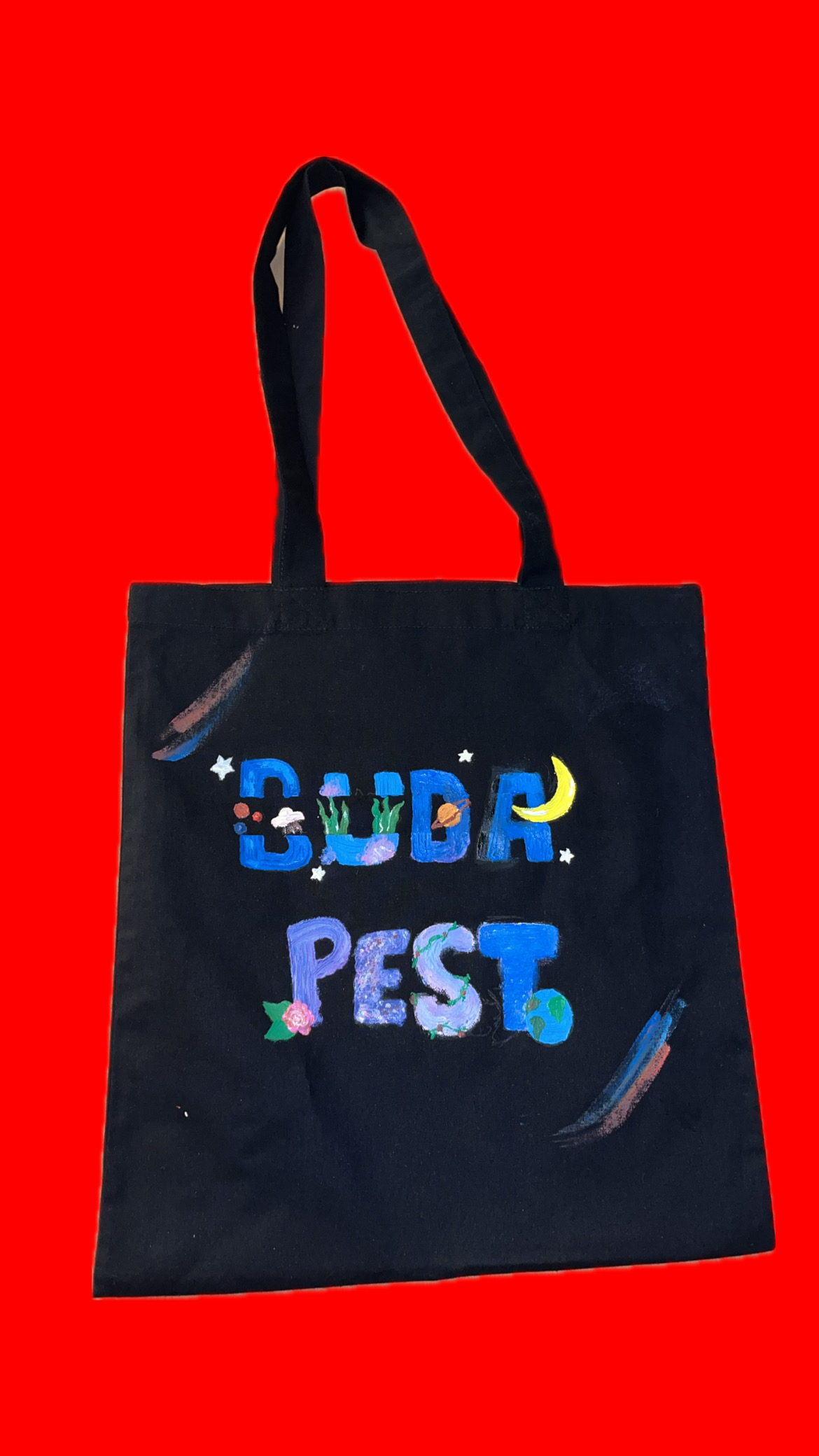
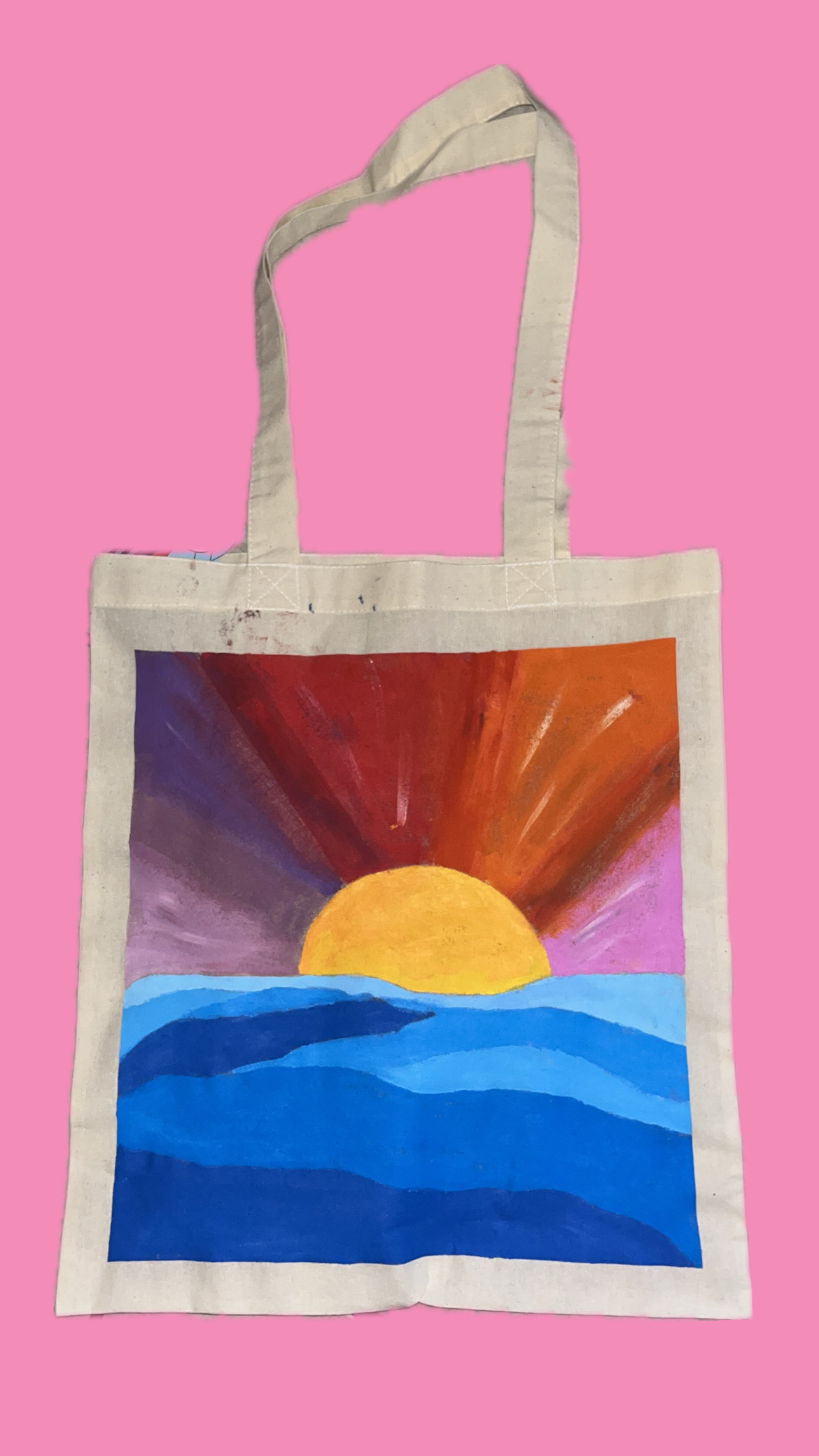
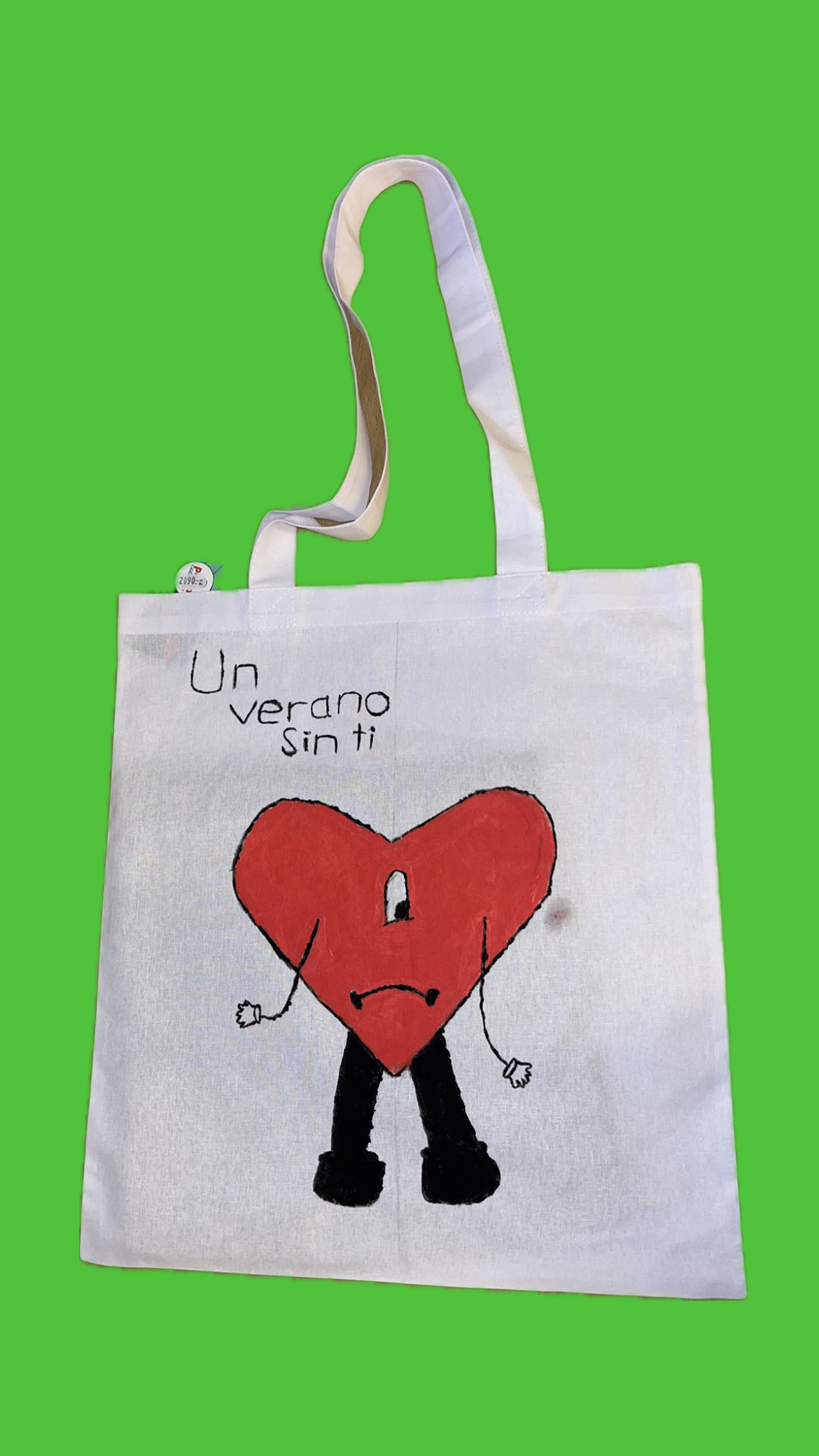
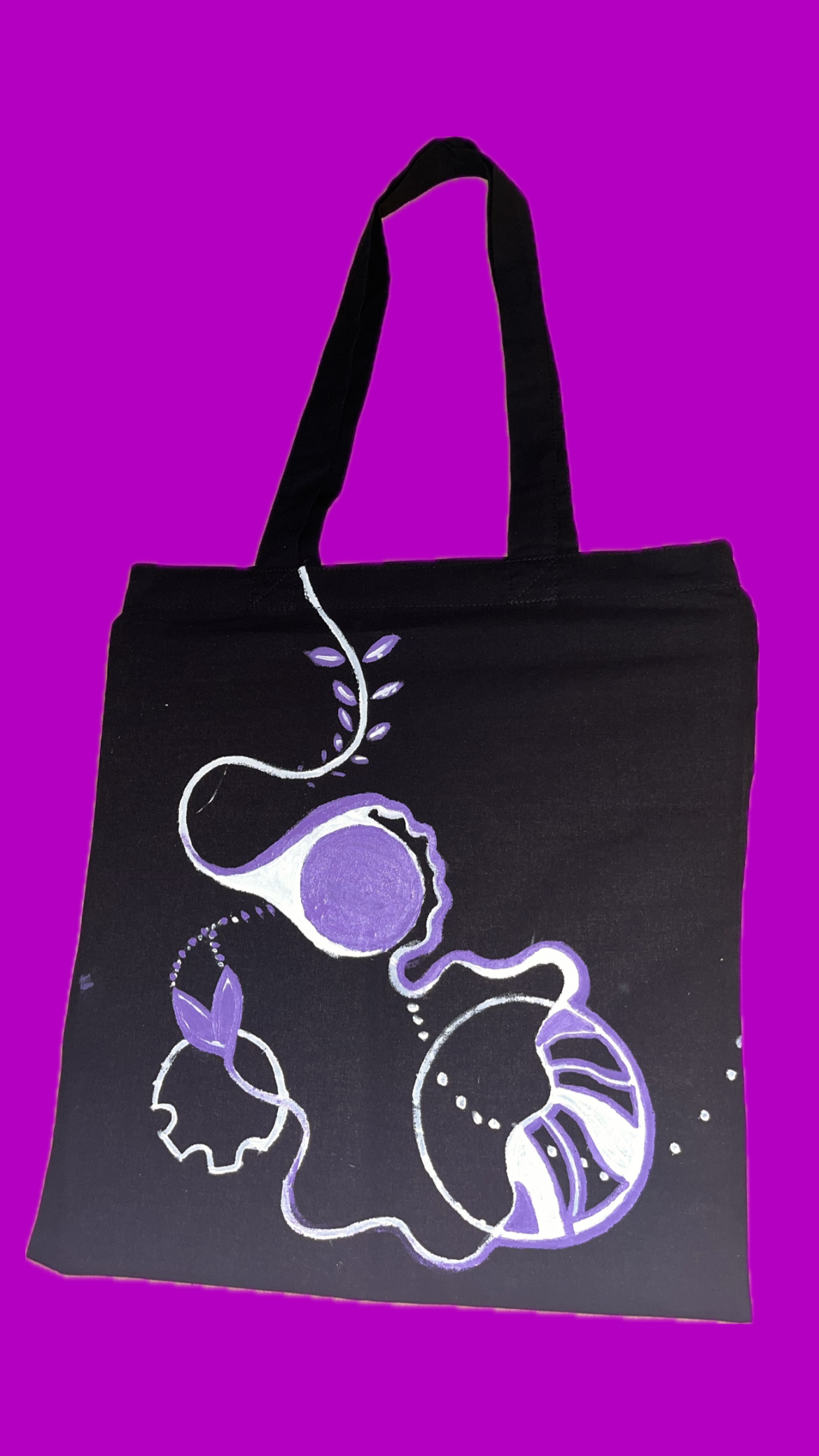
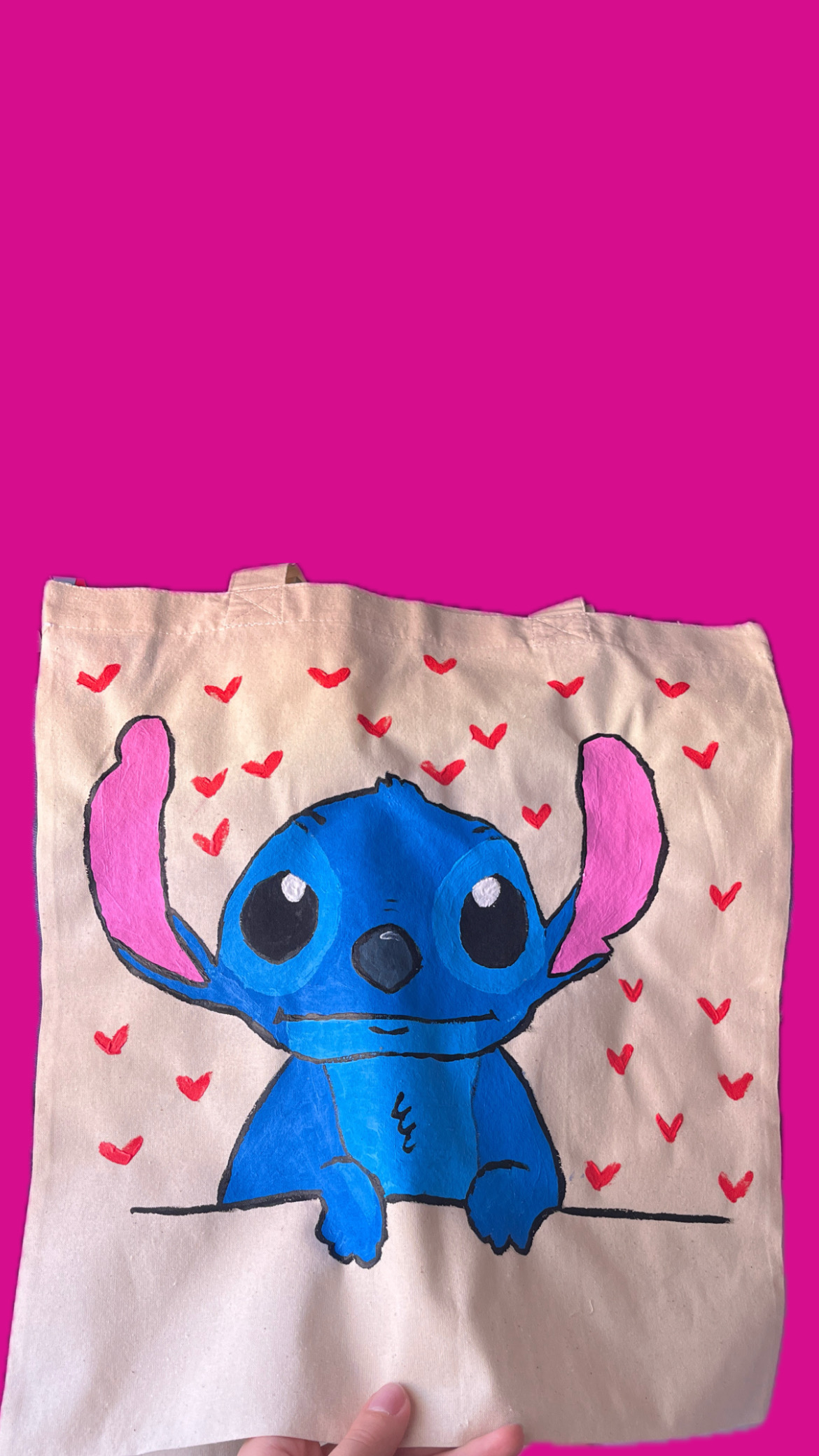
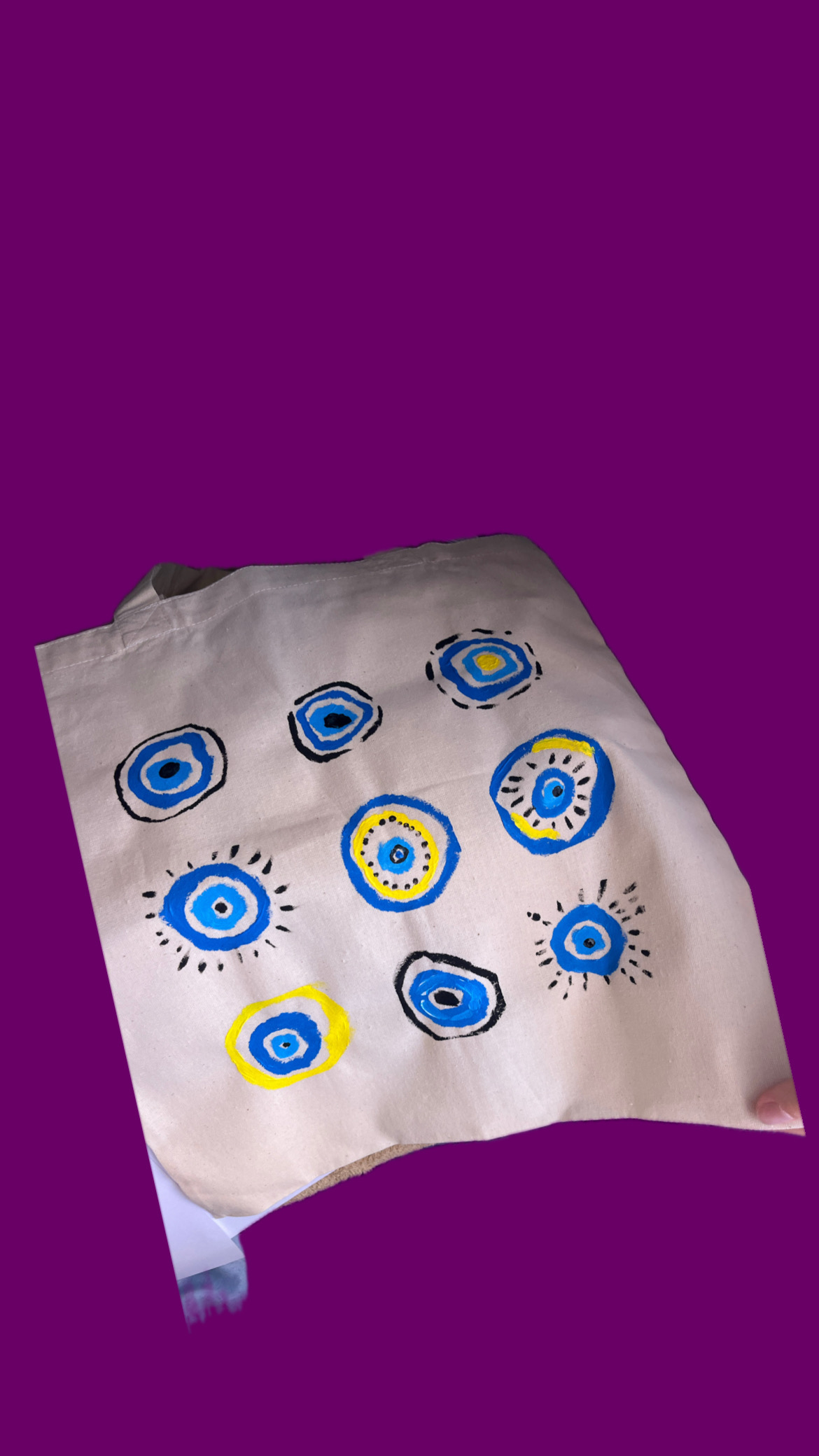
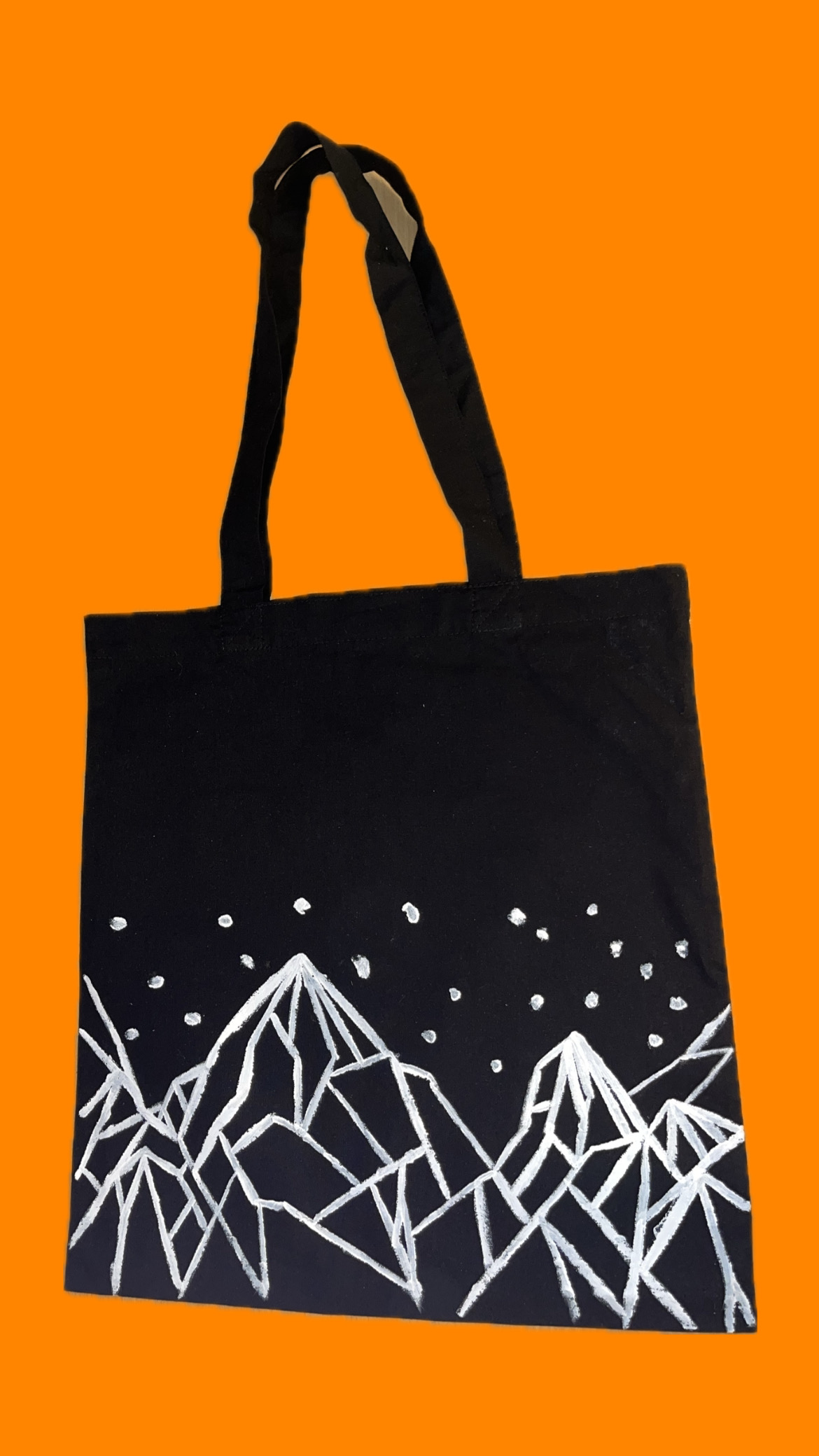
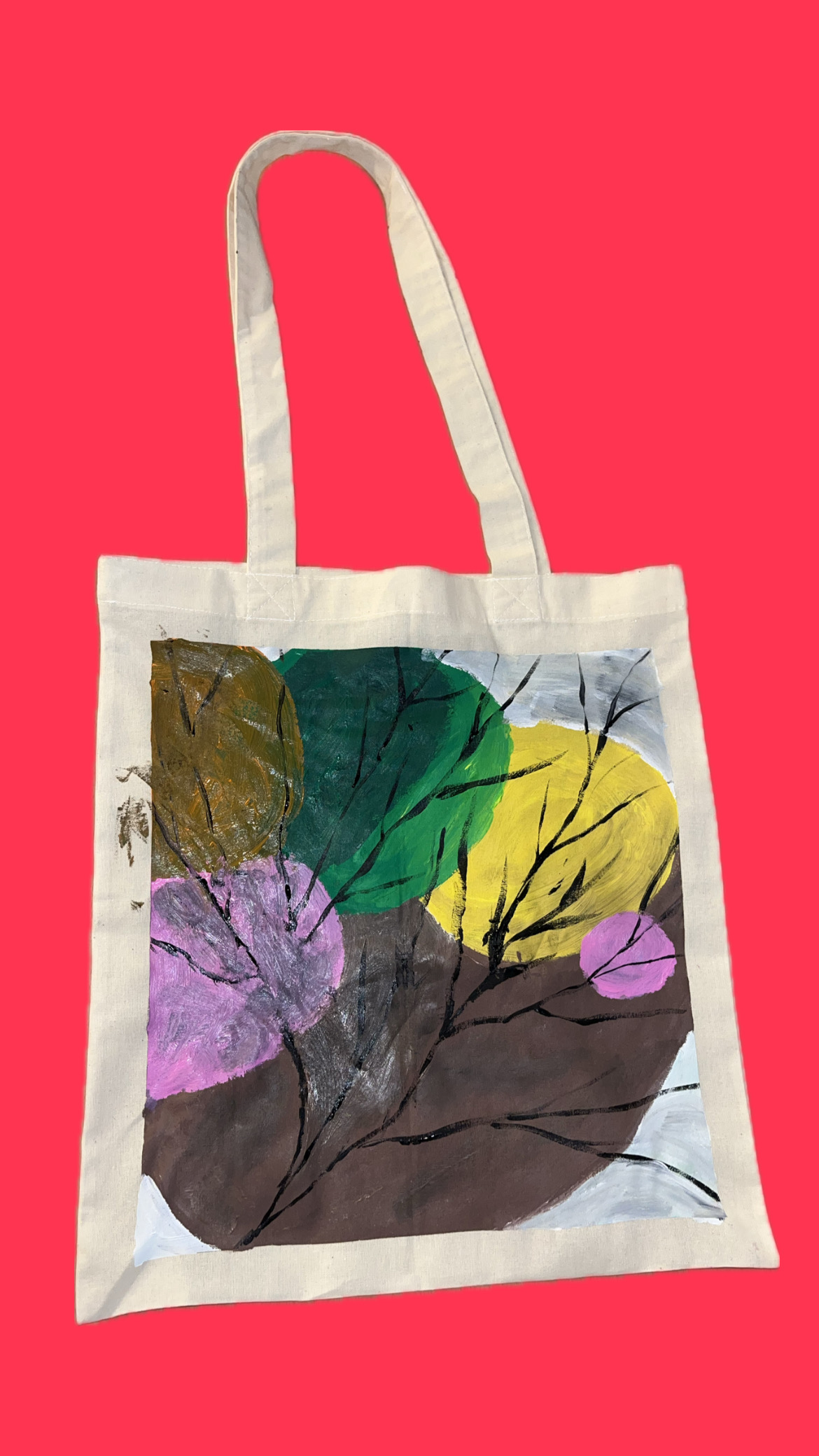
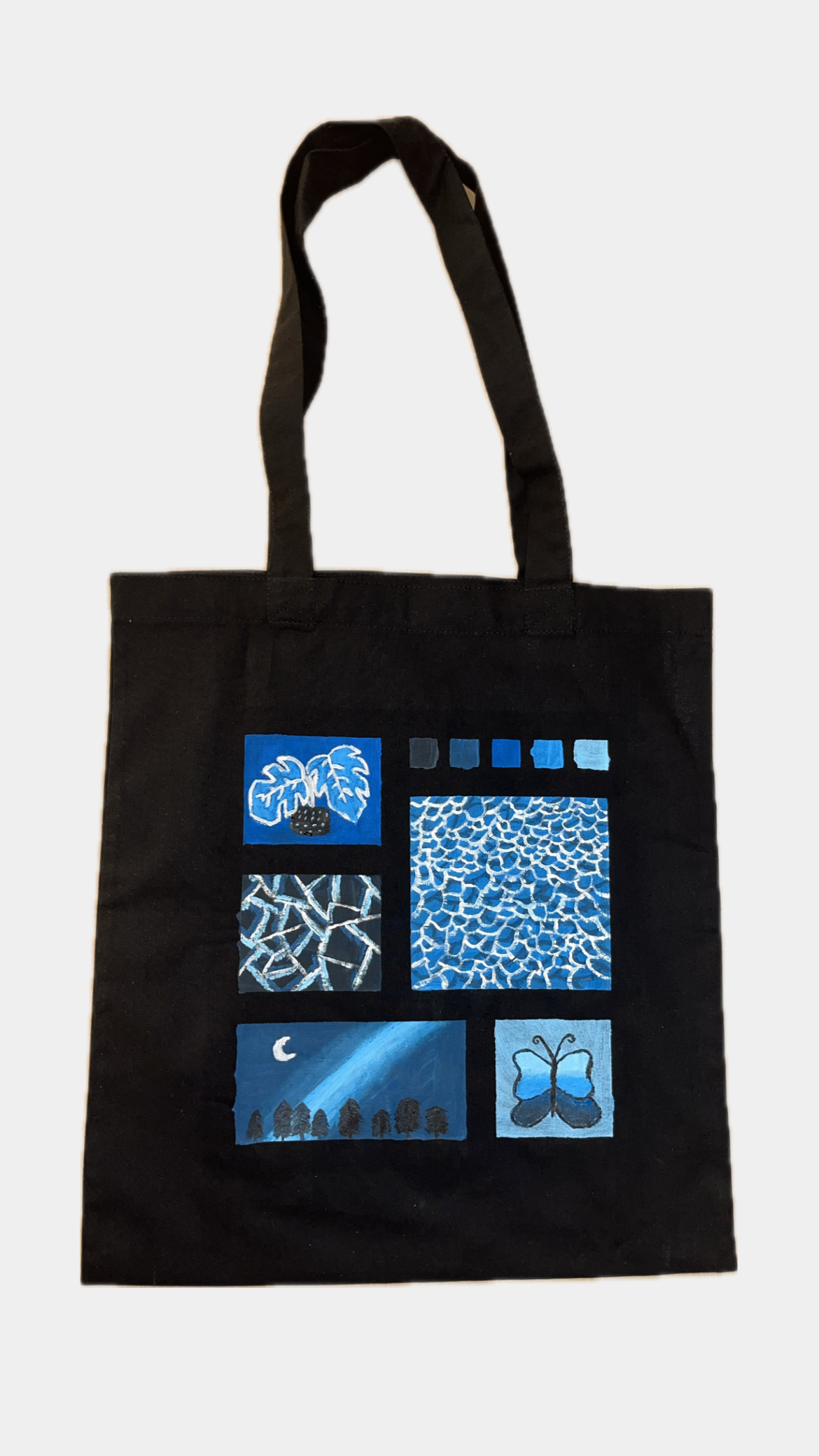
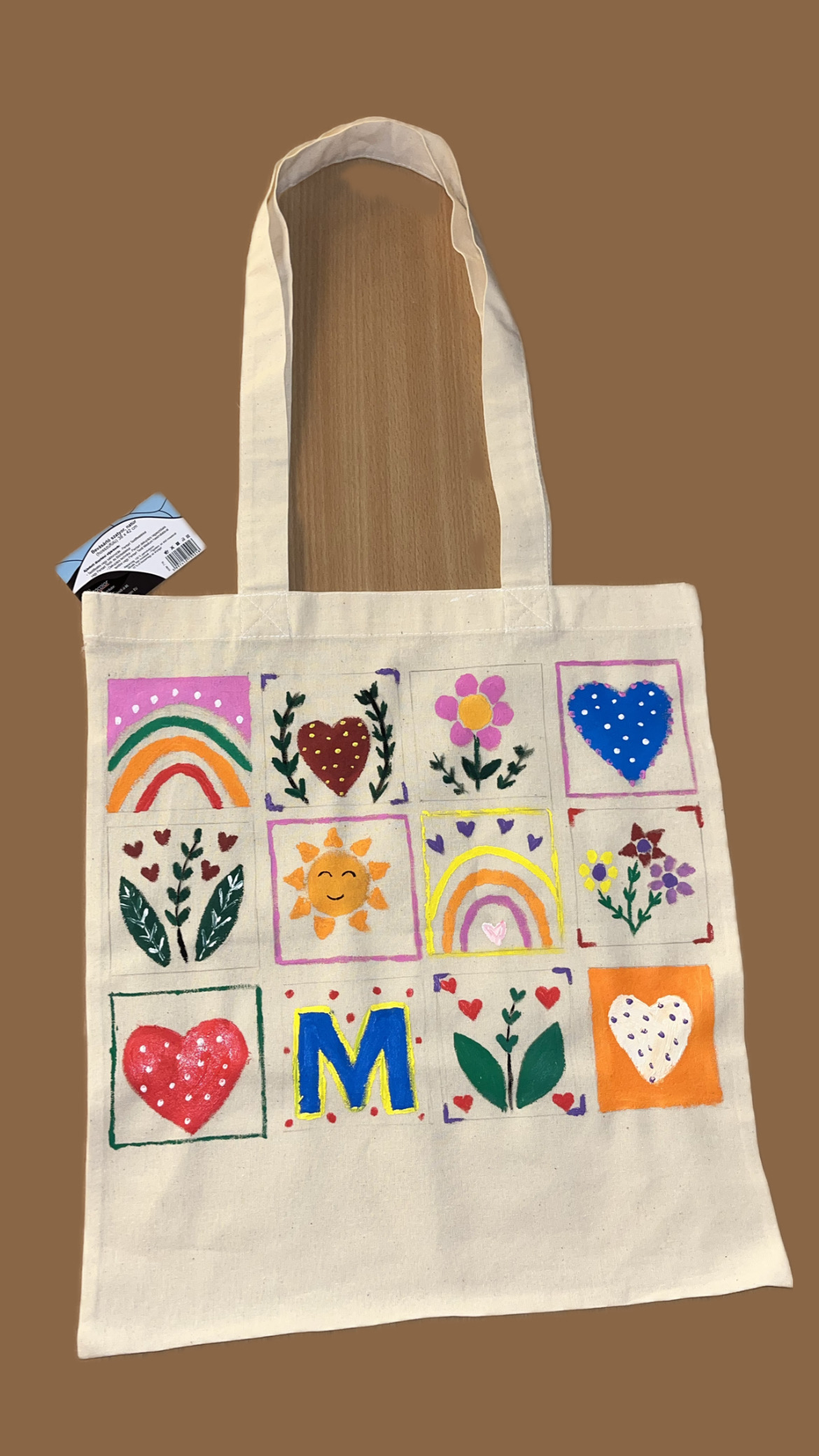
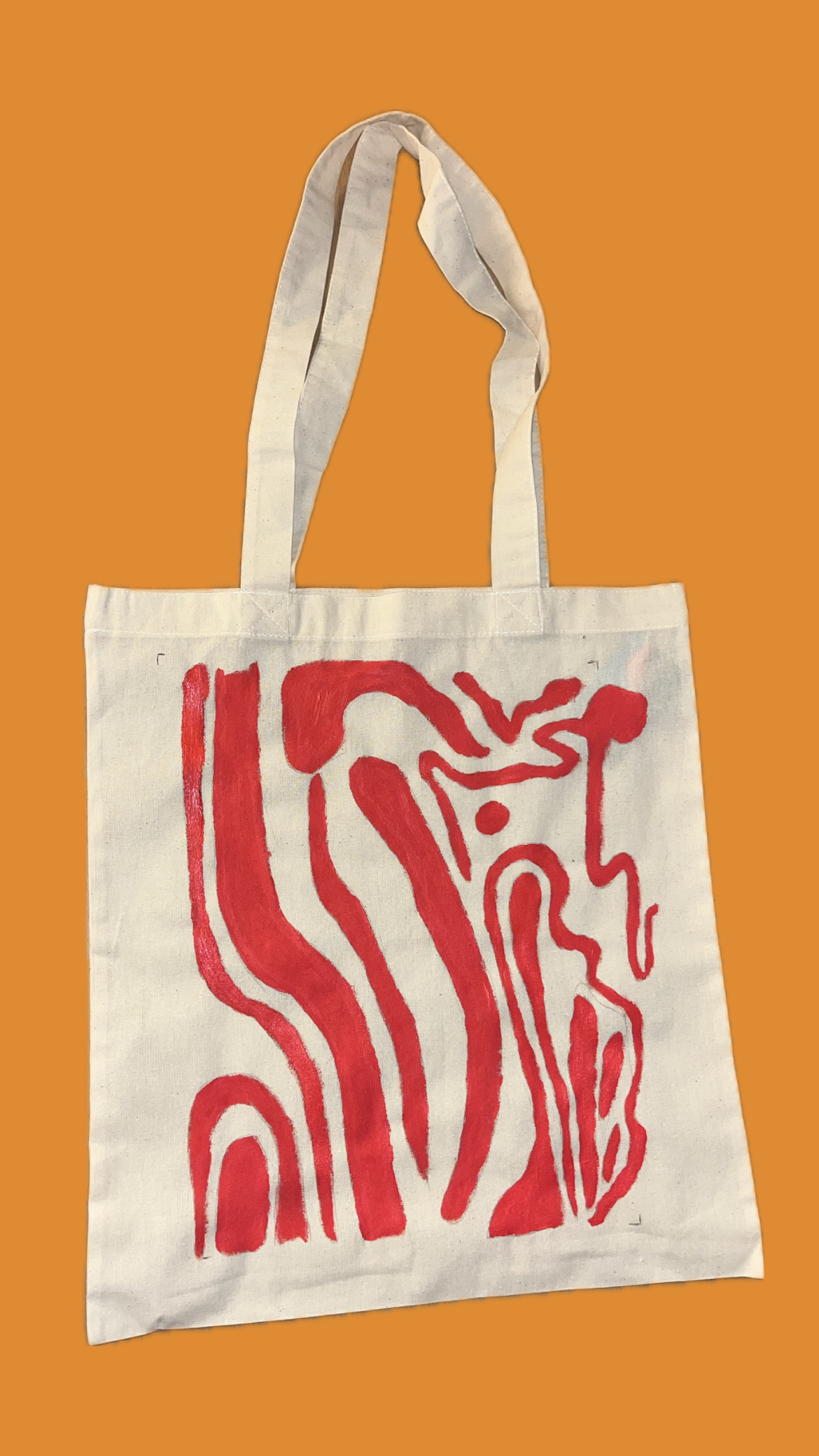
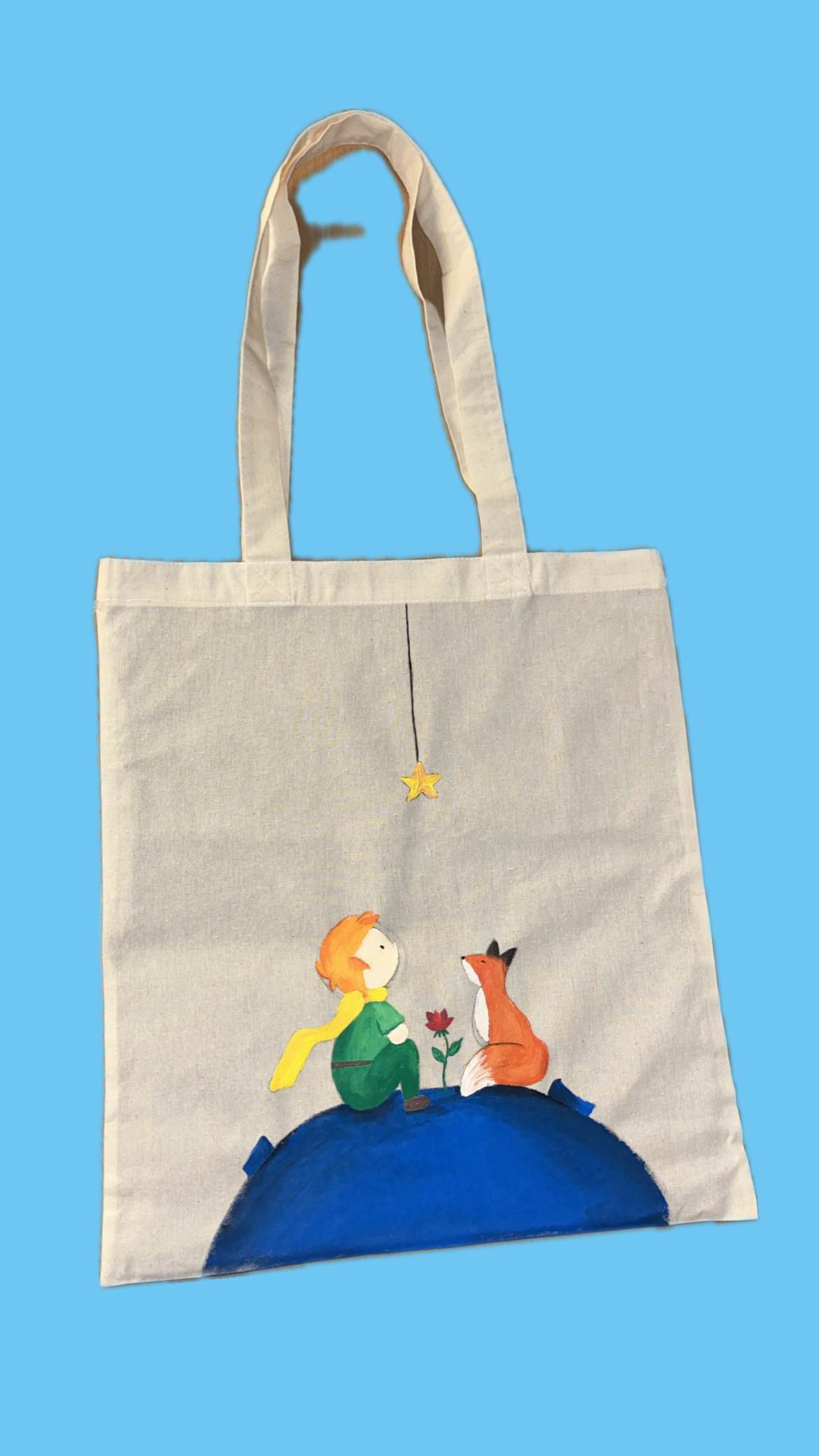
- Design on canvas (tote-bags)
- Writing without a map (group practice)
- Threading emotions
- Film Production (group activity)
- Threading emotions
- Animation: Your Story in Motion
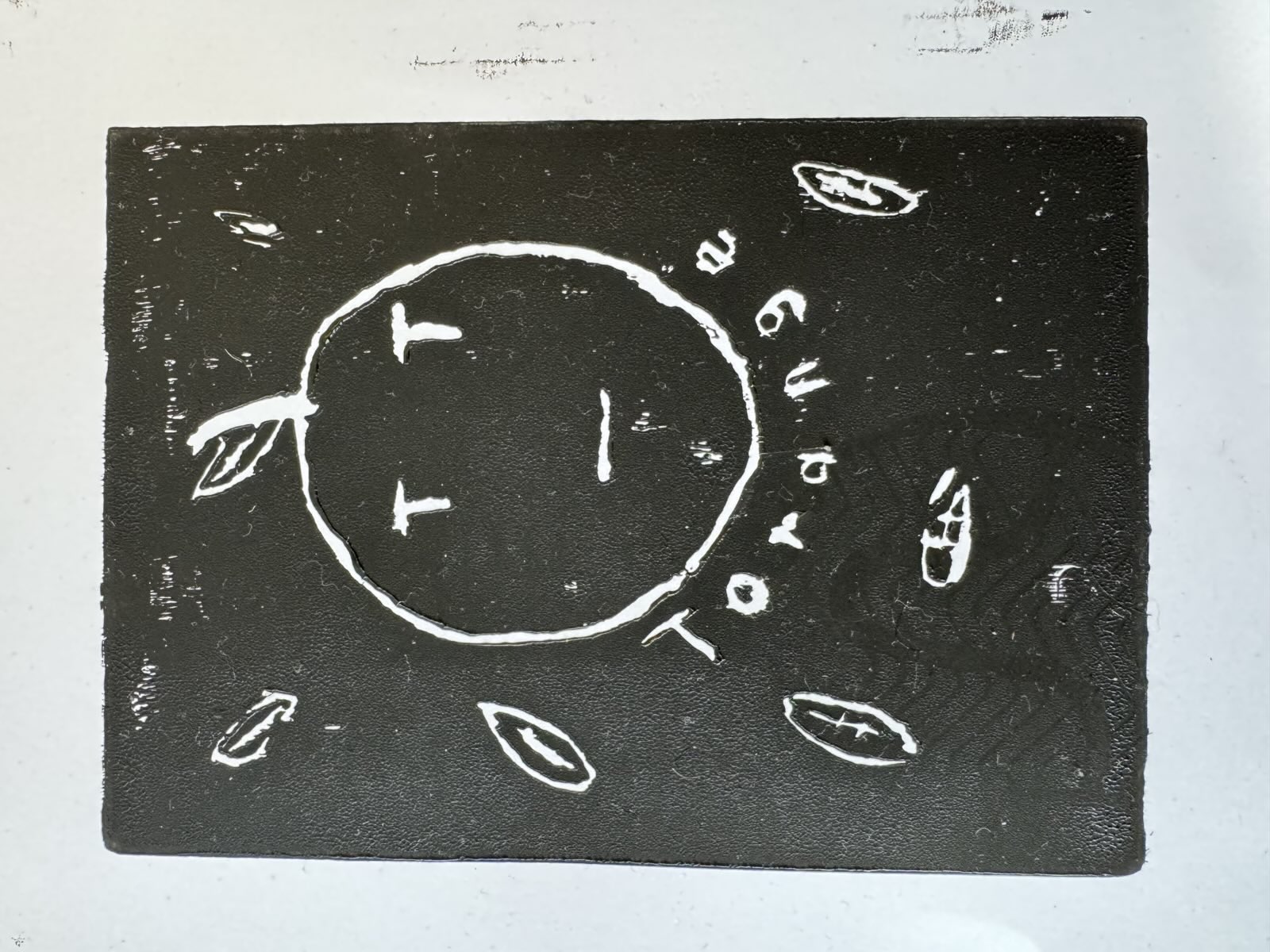
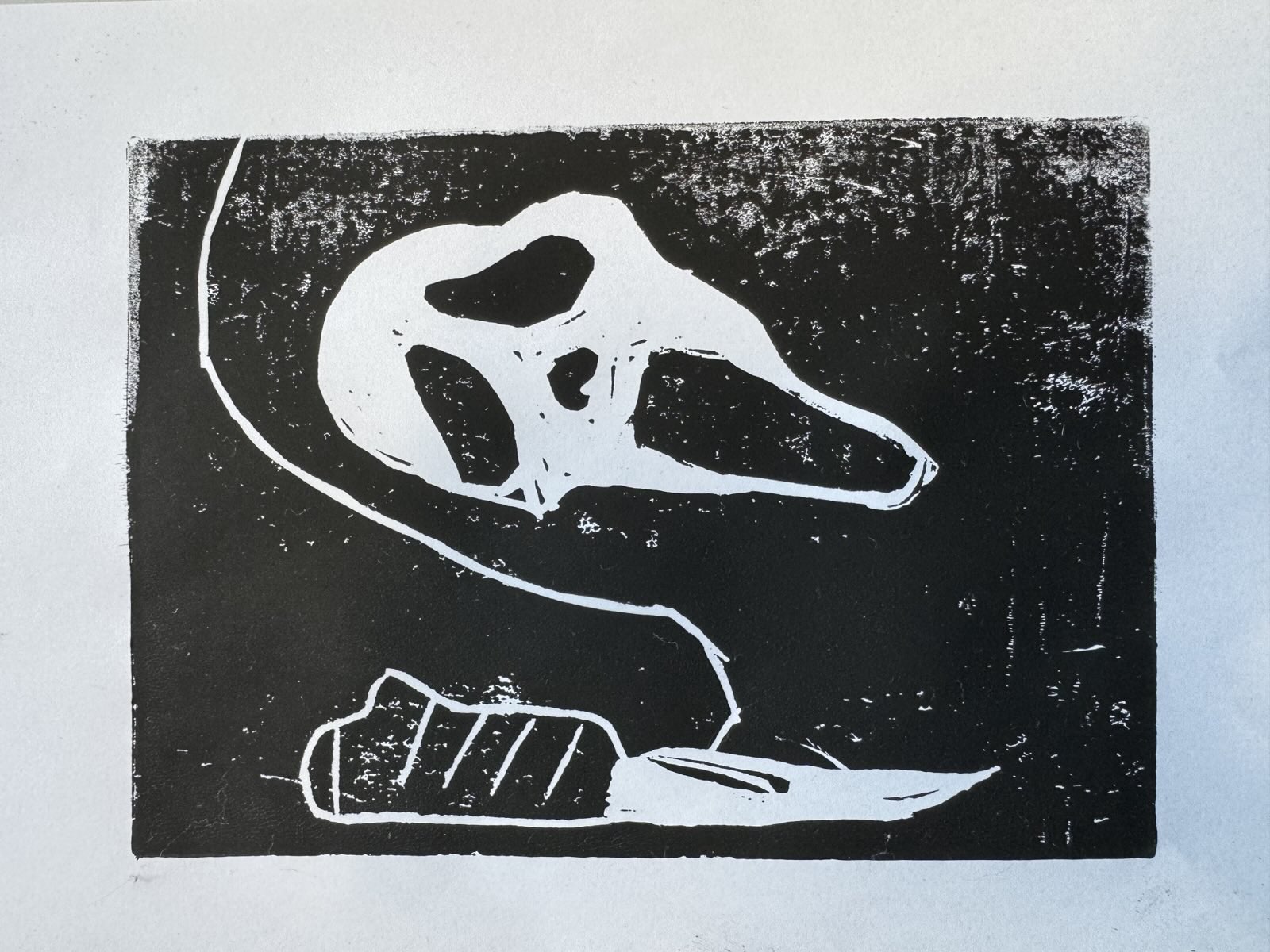
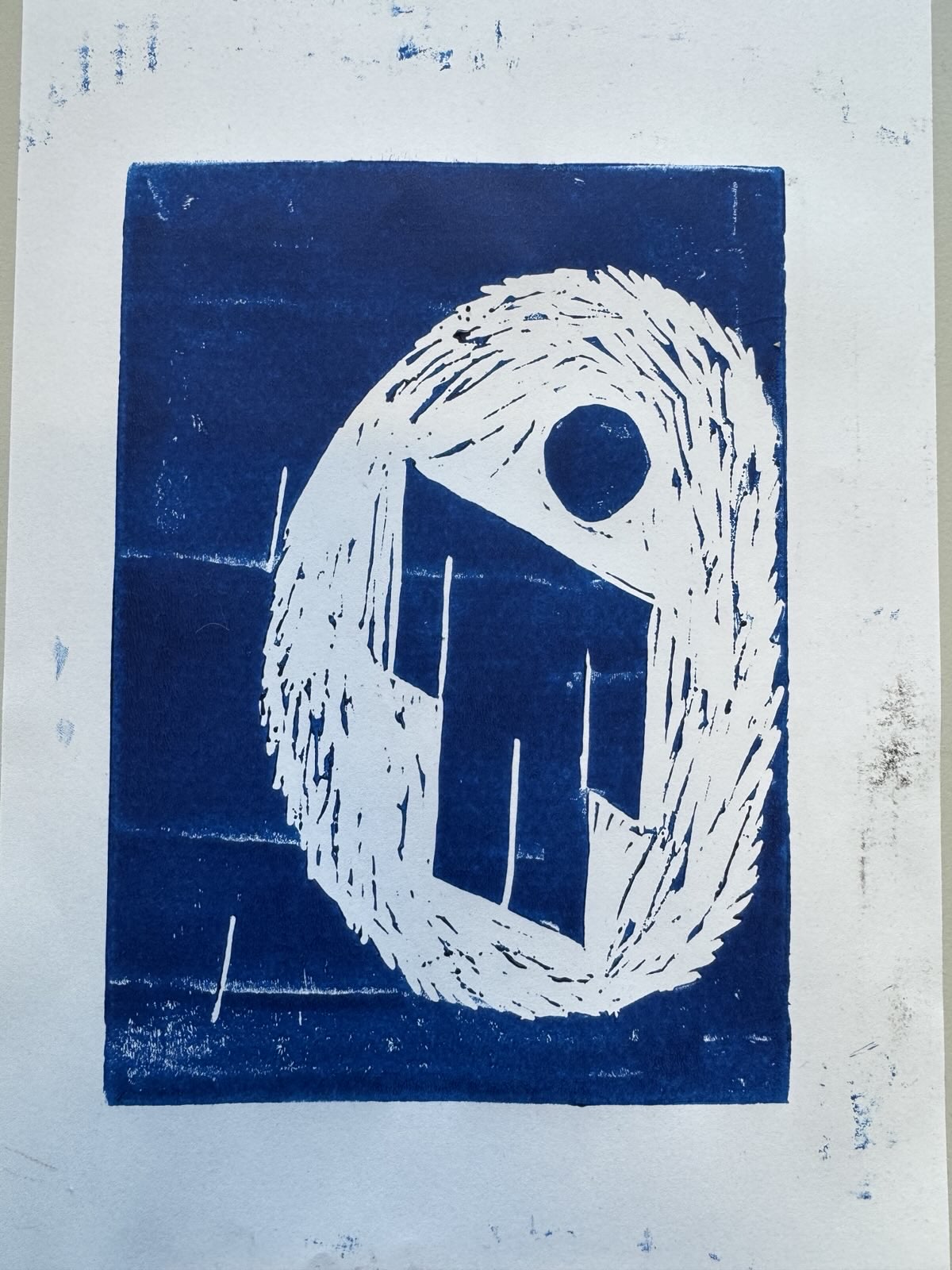
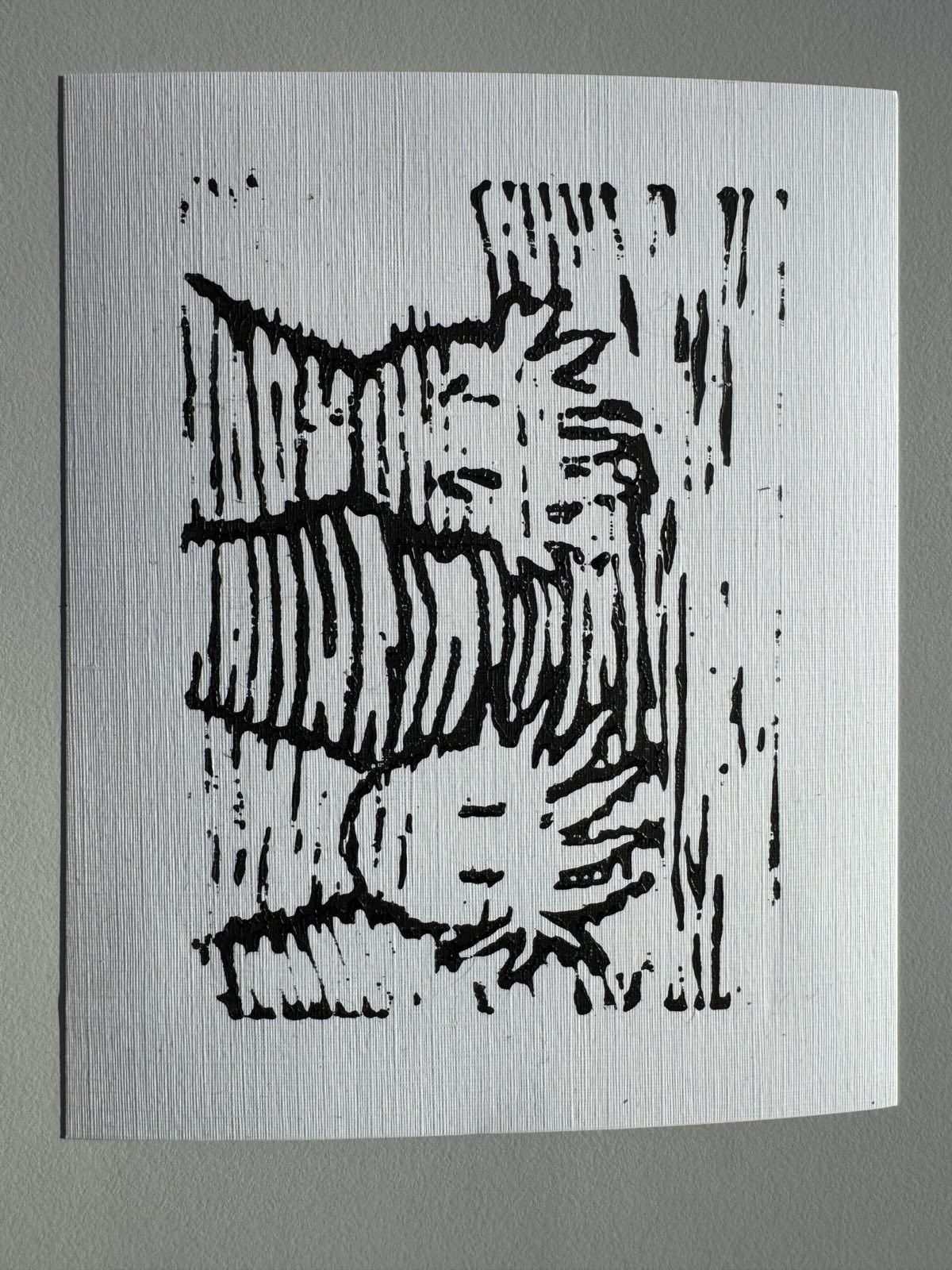
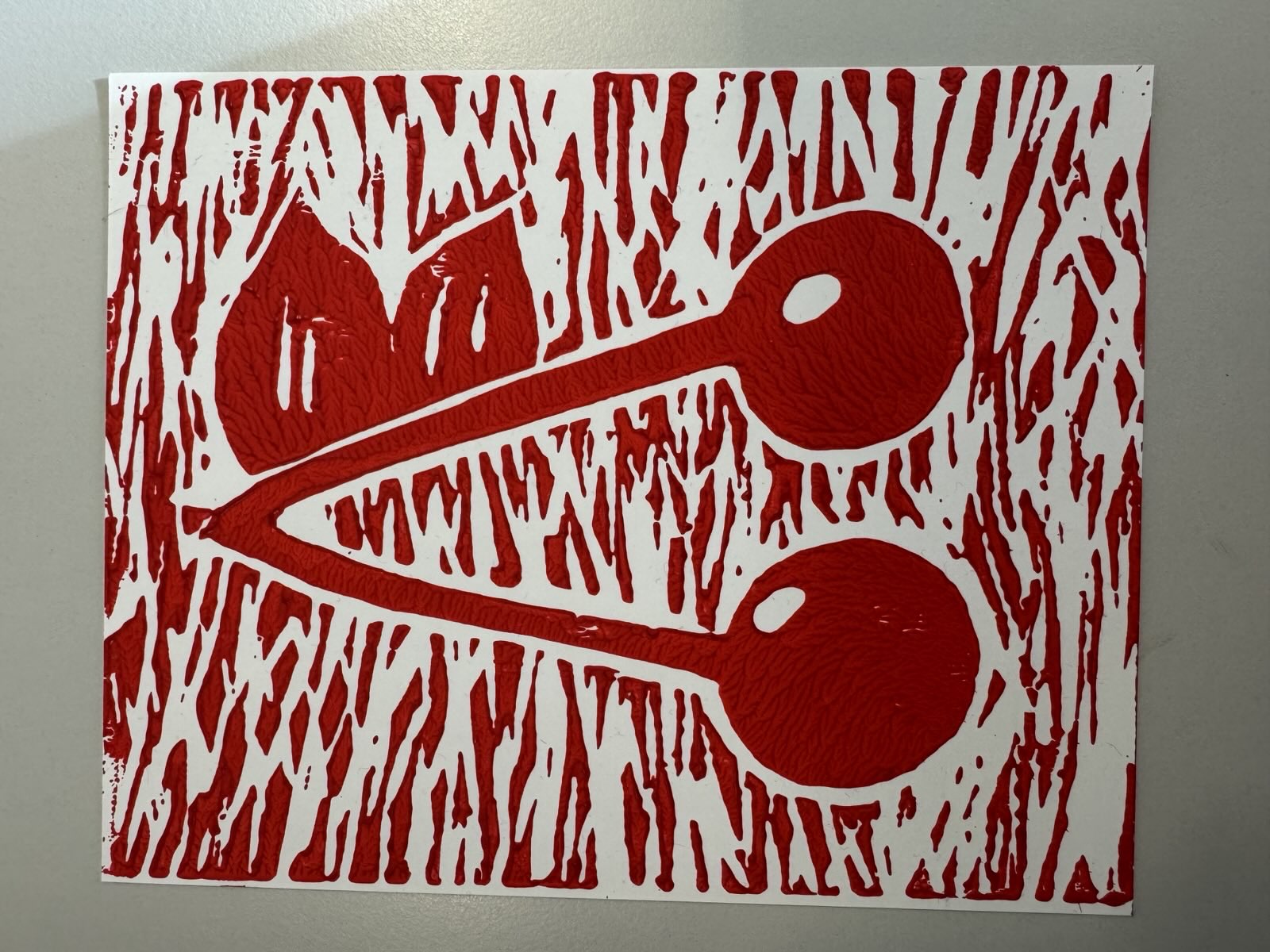
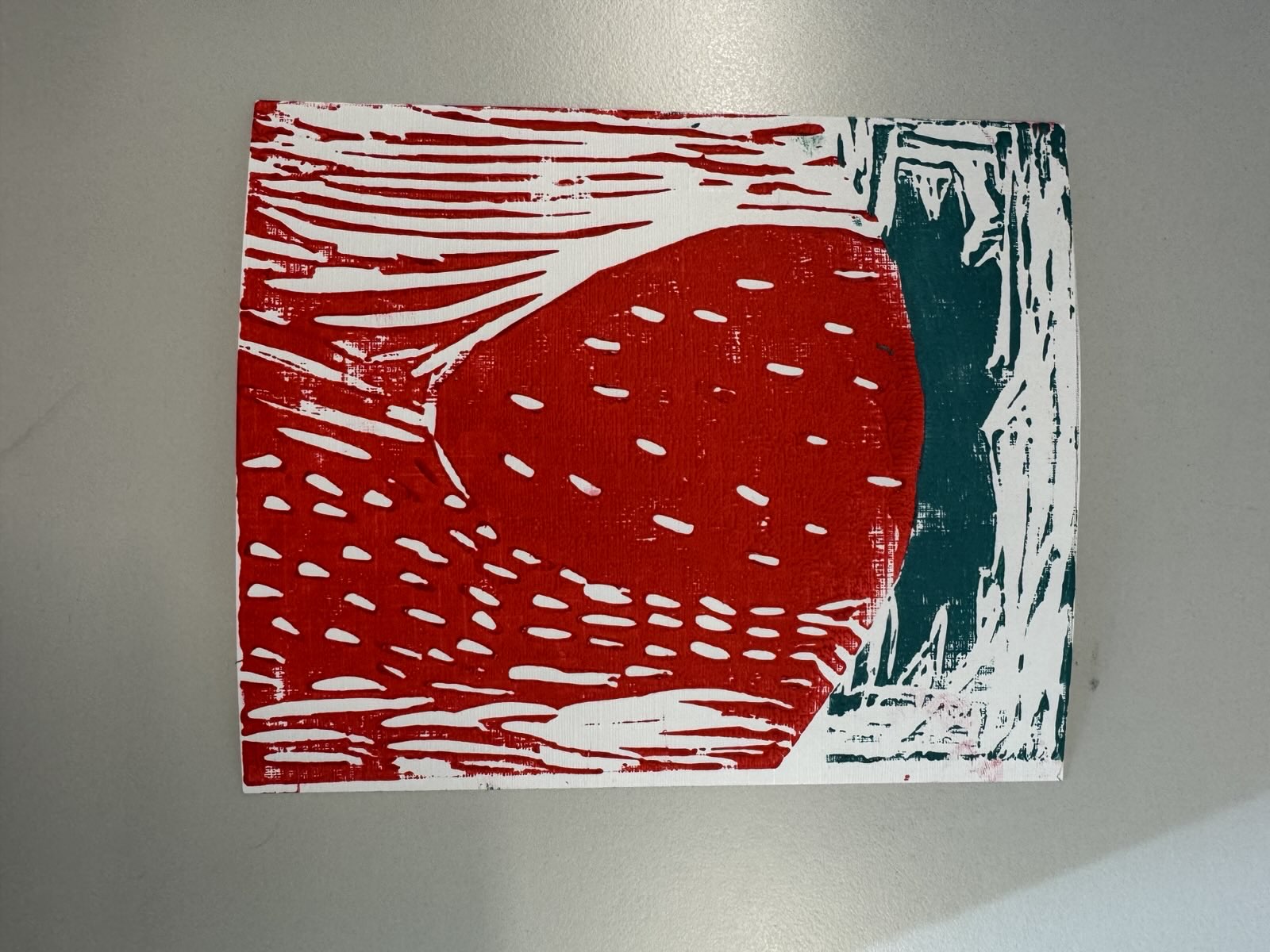
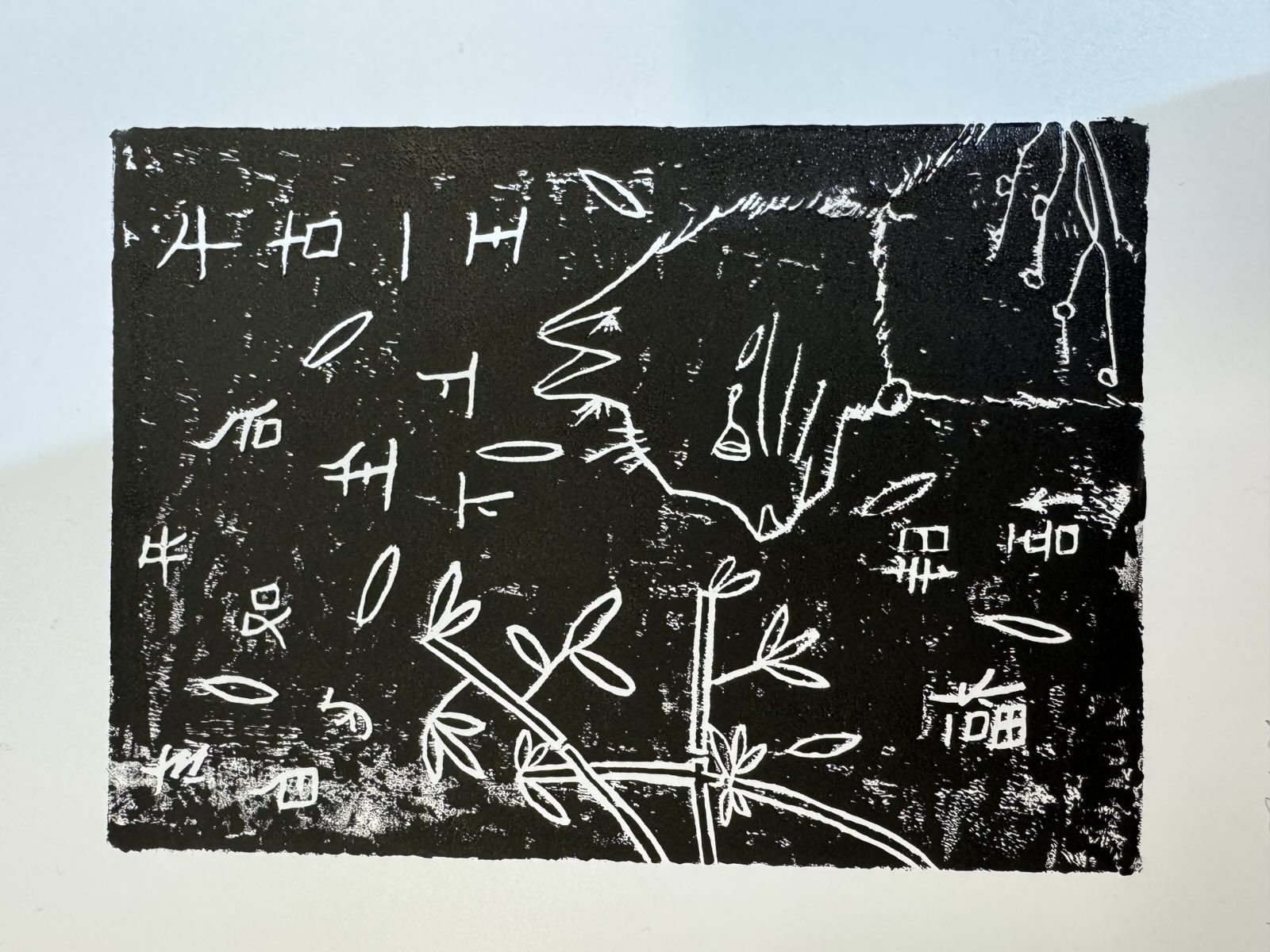
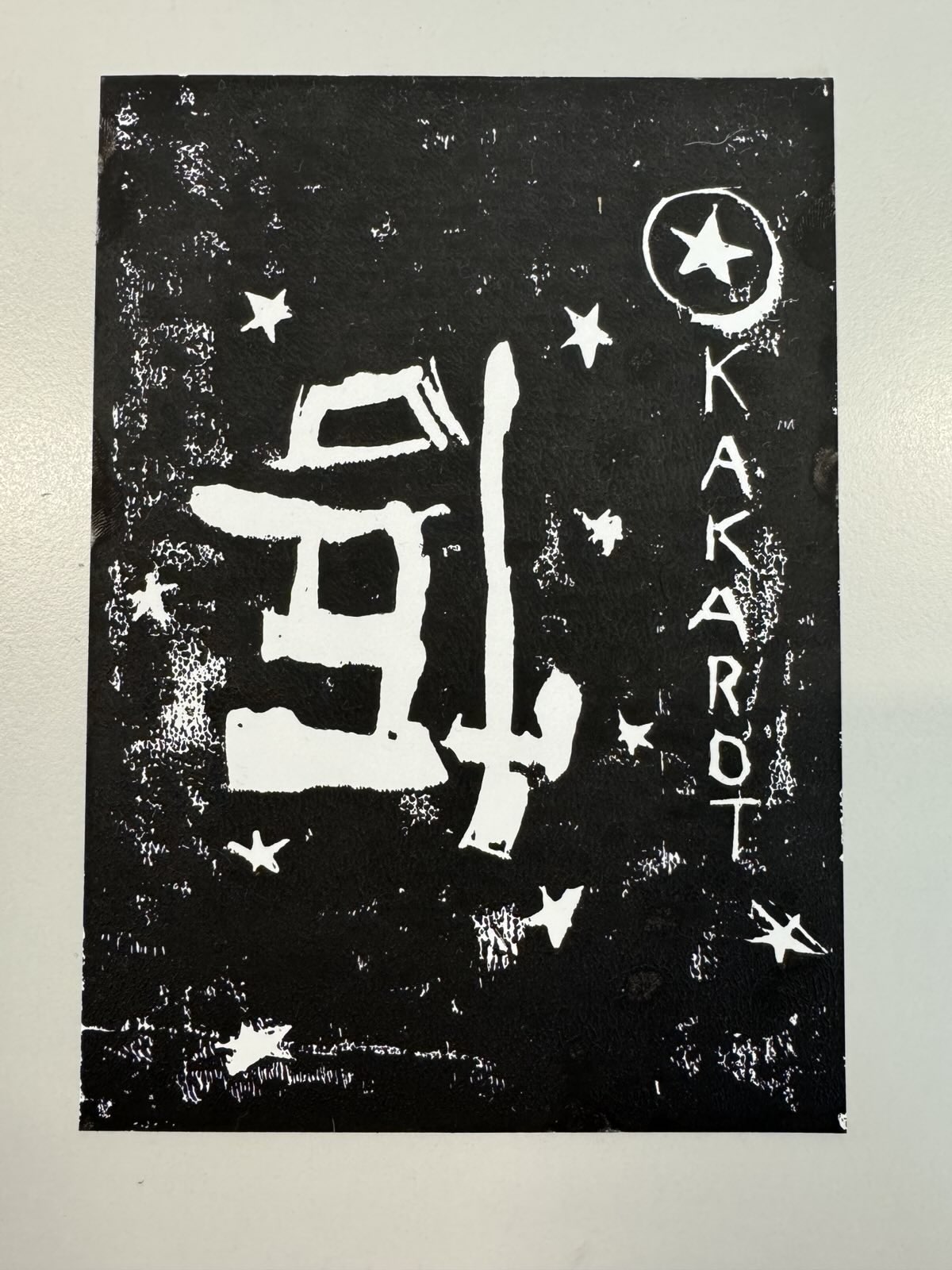
- Linocut workshop: personal symbols in print
- Journaling 101: Through Creativity to Well-Being
- Musical painting
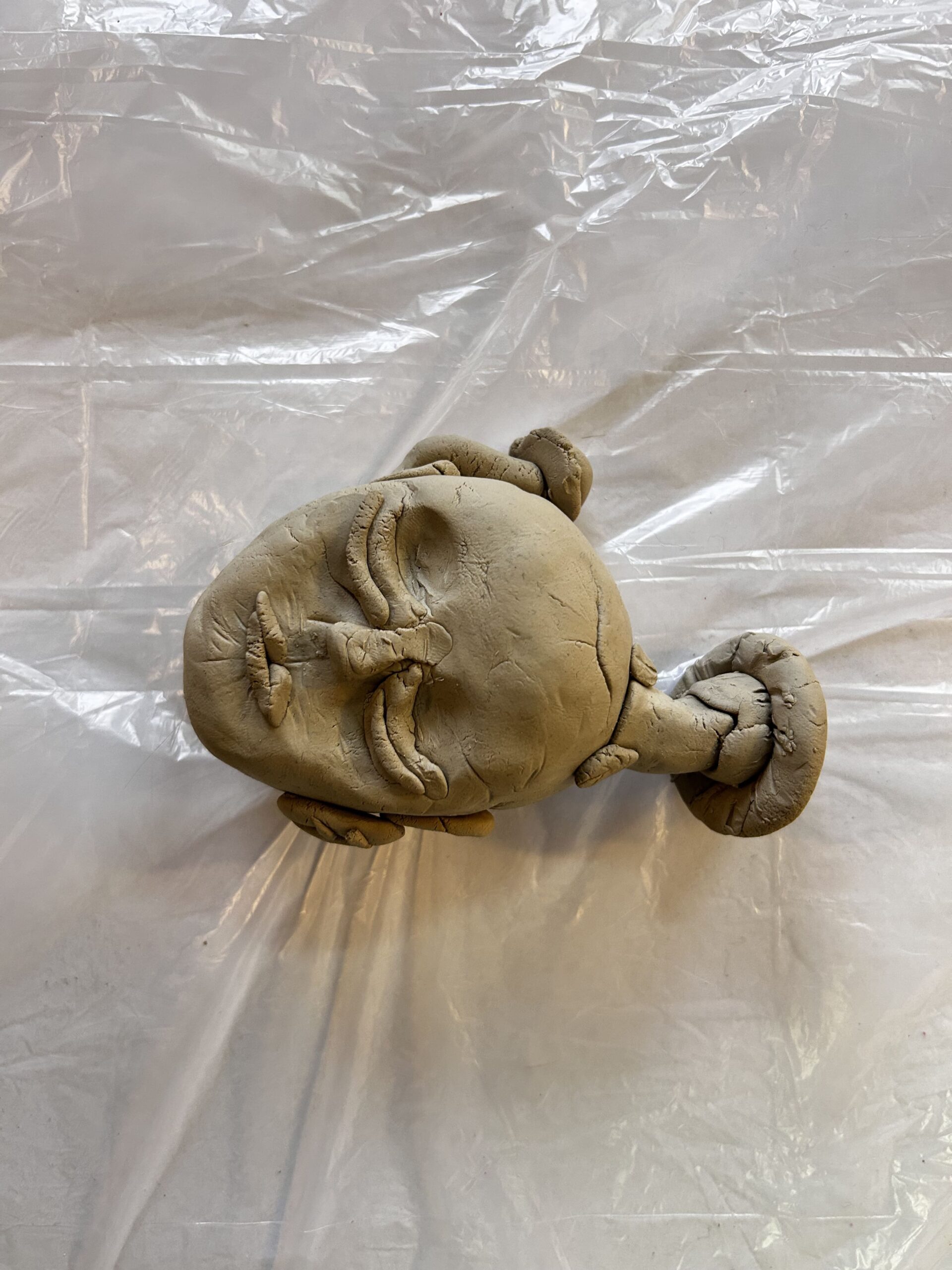
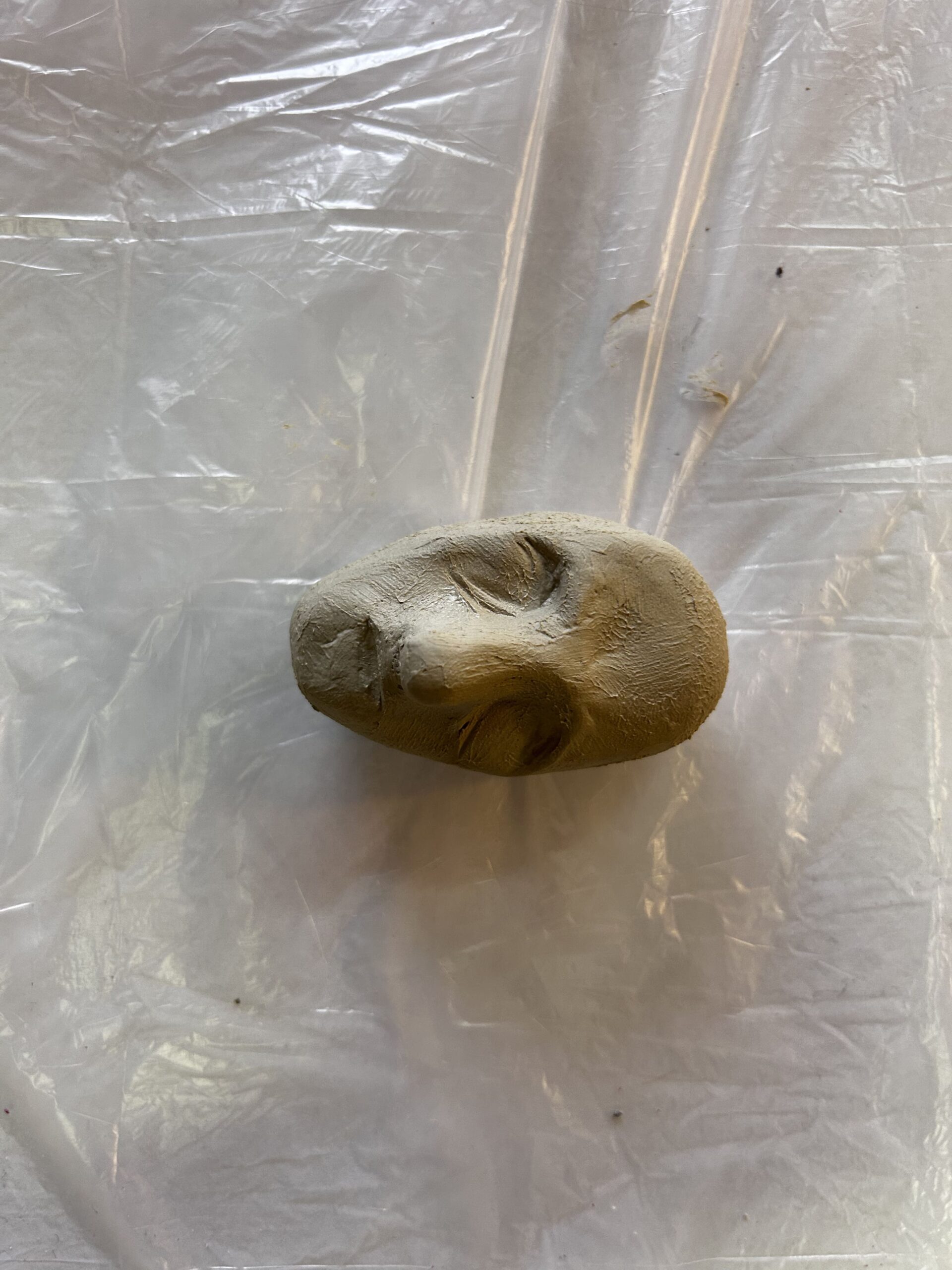
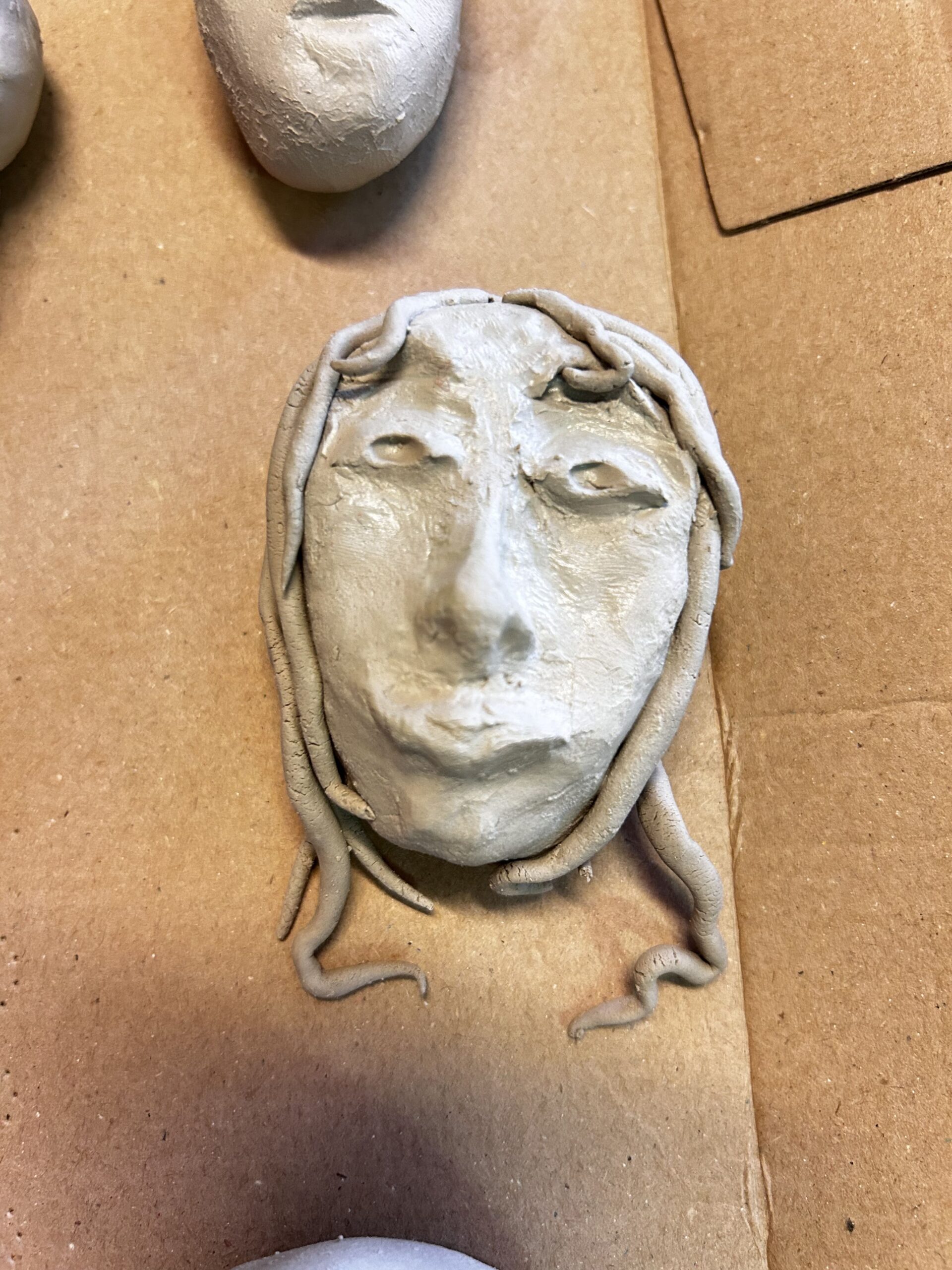
- Touching the Ground (Clay)
Learning materials for Youthworkers and curious ones
About Art Well project
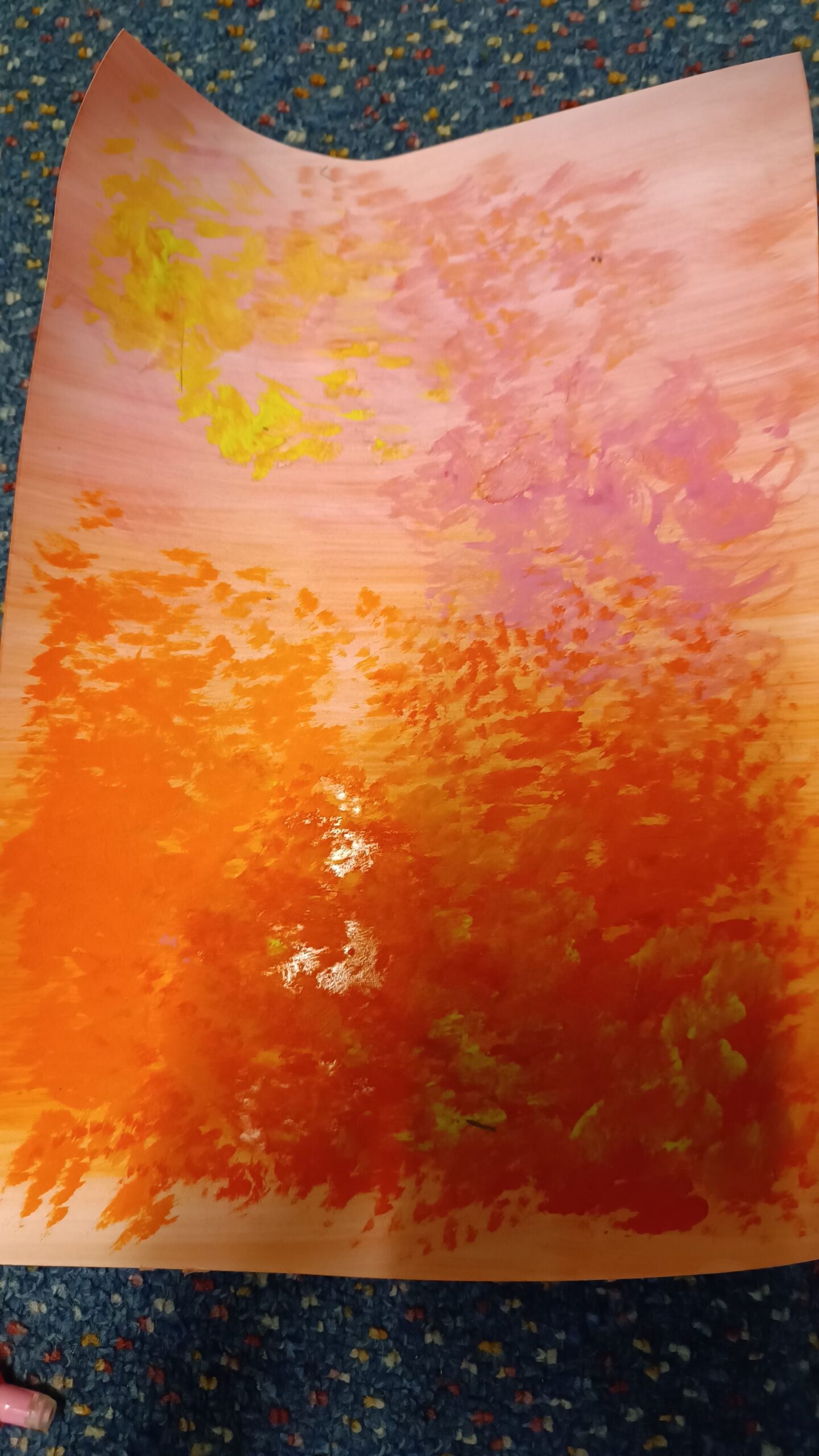
I’ve always struggled with my art skills. My brain creativity is endless, but my hands cannot transfer the picture on a paper. This time I tried something new. I let myself introduce the picture of the song “Golden hour” on the paper. In real time, in real colours, in real shapes. After 3 min and 29 seconds, I ended up with a perfection in front of me. And now anybody can look at my mind visualisation while listening to that specific song. For the very first time my hands were enough.
– participant of Art Well workshops

Why should you try following art activities
Today (2026) around 1 in 6 people in the WHO European Region lives with a mental health condition. 1 in 7 children and adolescents are affected, with suicide now the leading cause of death among those aged 15–29 .
Despite this scale, access to care remains deeply insufficient—up to one third of people receive no treatment at all, reflecting overstretched systems, long waiting times, and high financial barriers. (1)
At the same time, stigma continues to shape public perception: mental health conditions are still widely misunderstood, trivialised, or hidden, discouraging people—especially young people—from seeking help. (2)
Art Well emerges in response to this dual crisis: a lack of accessible care and a culture that still struggles to take mental health seriously. If professional support is unavailable, unaffordable, or socially difficult to access, people are left without tools to regulate their inner world.
What is left, is to support mental well-being through everyday practices that build resilience, emotional awareness, and self-expression. Art-based activities offer exactly this: a low-threshold, stigma-free, and accessible way to care for mental health at home.
ART ACTIVITIES
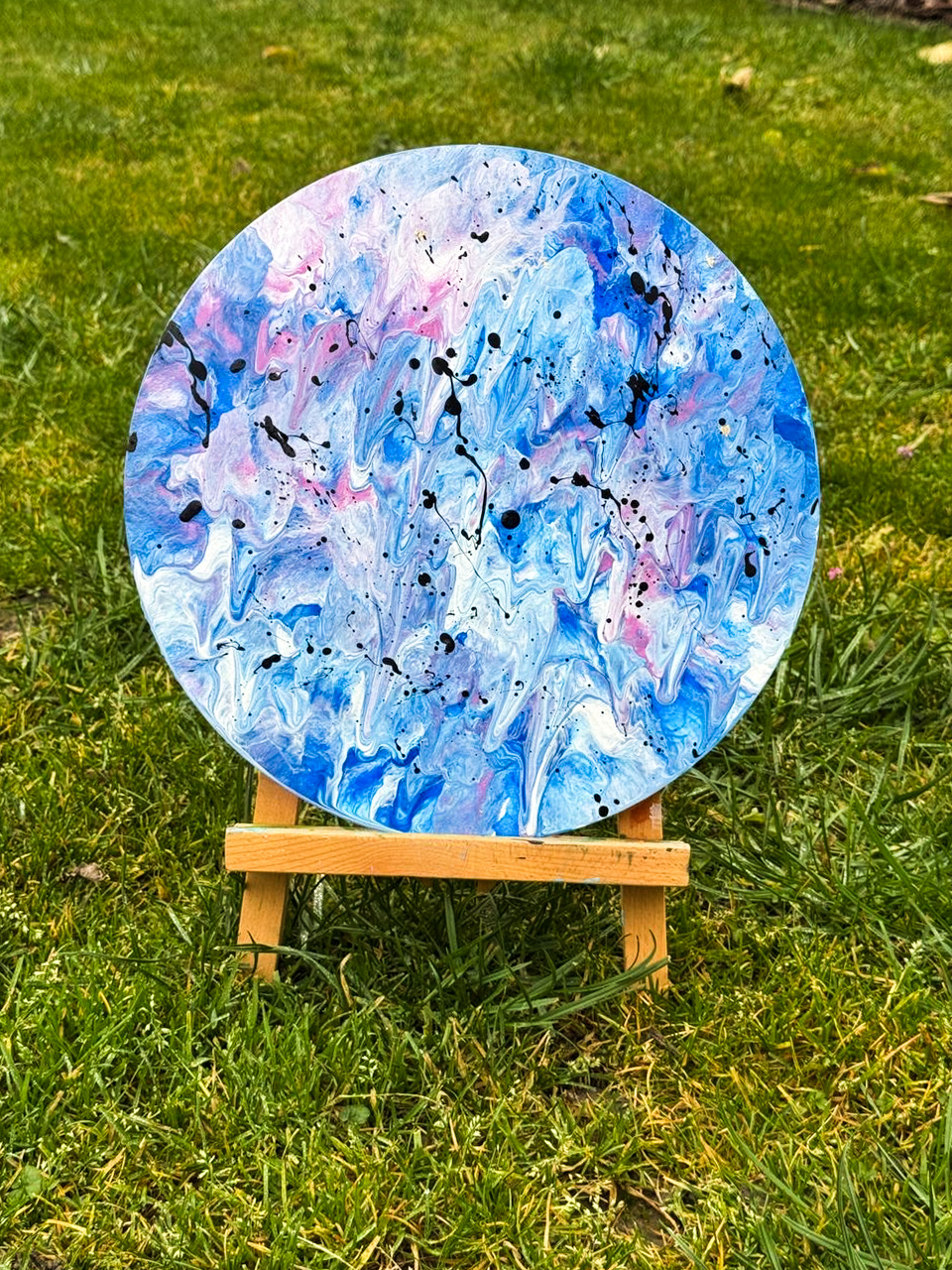
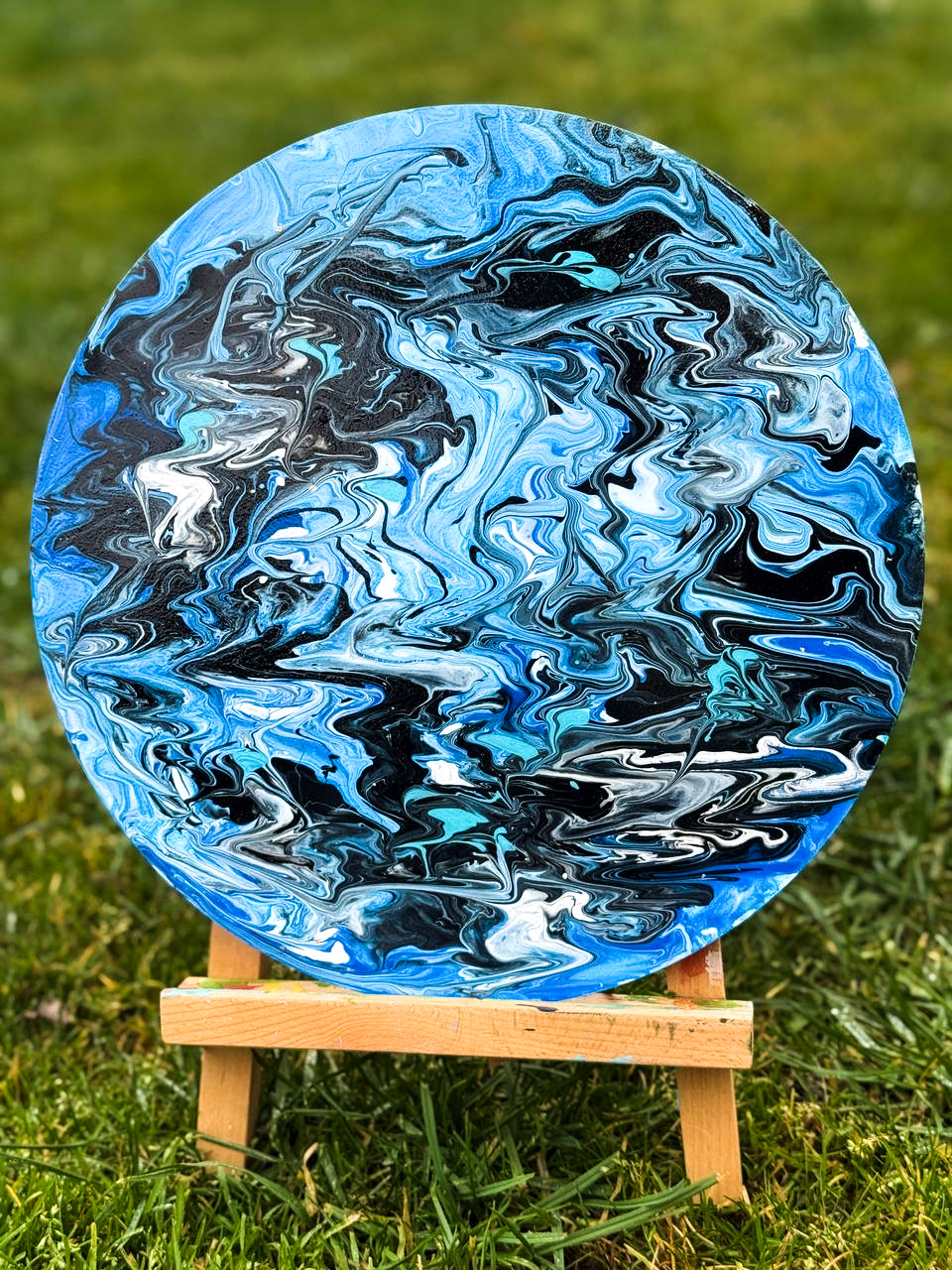
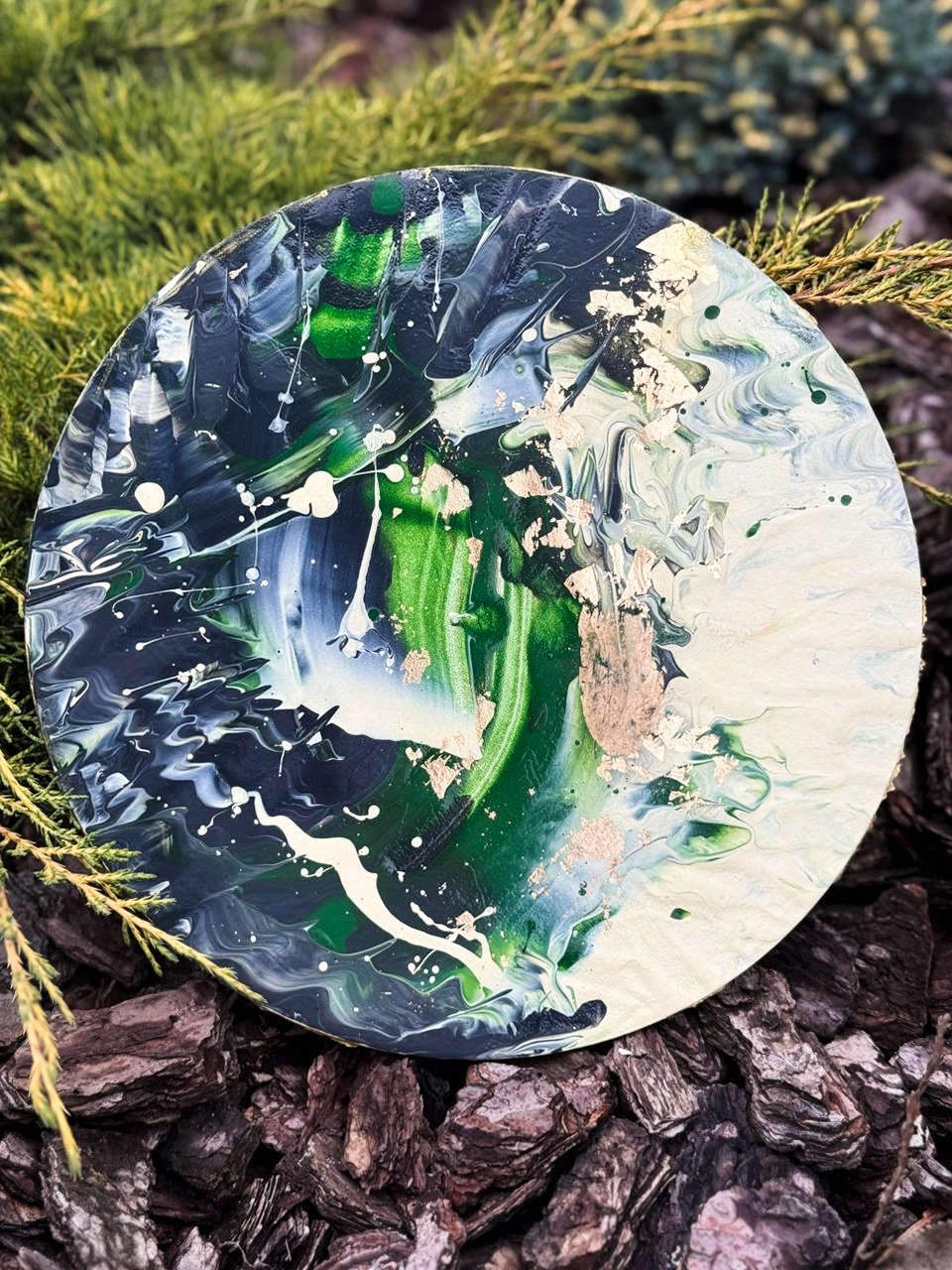
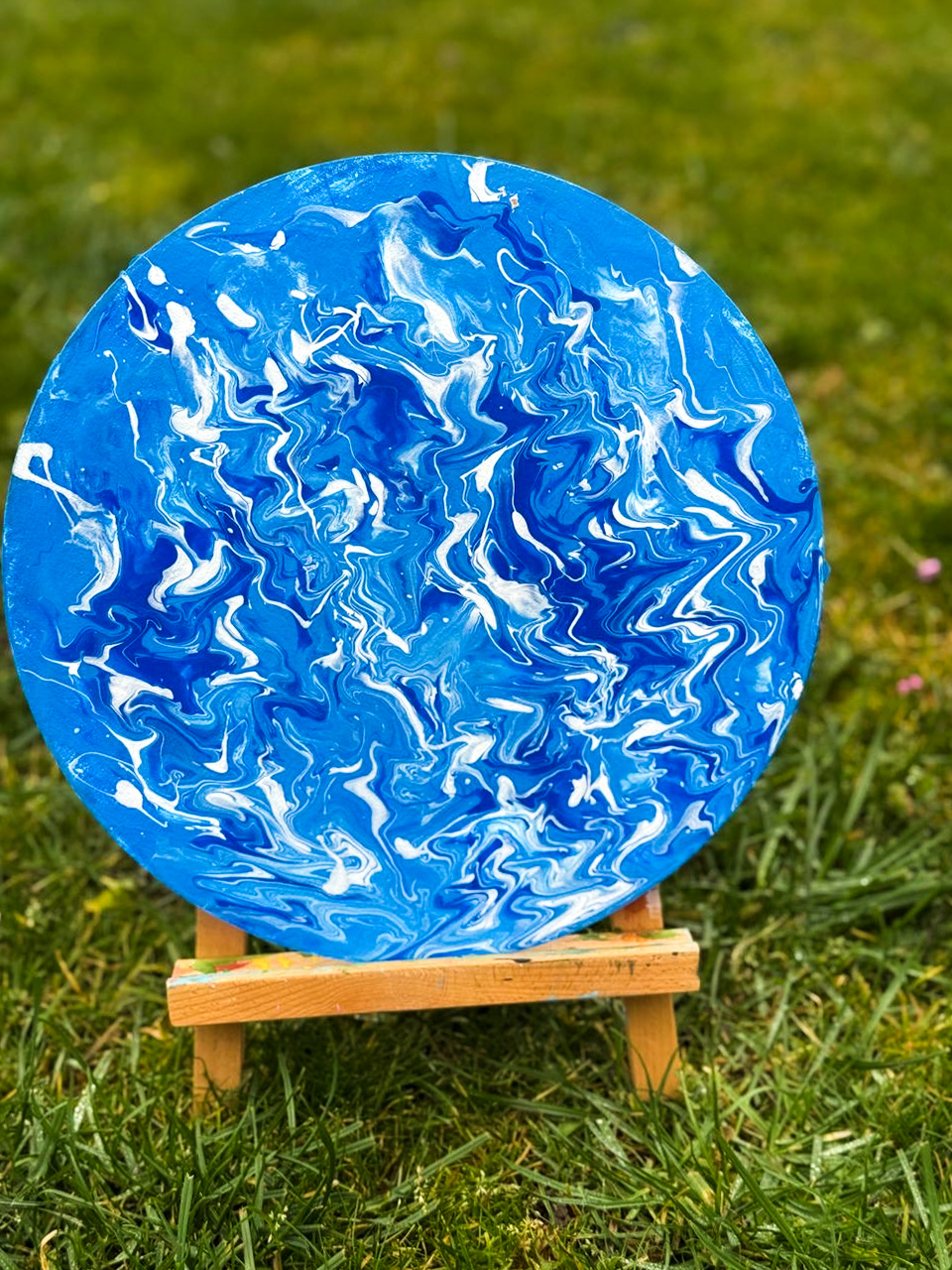
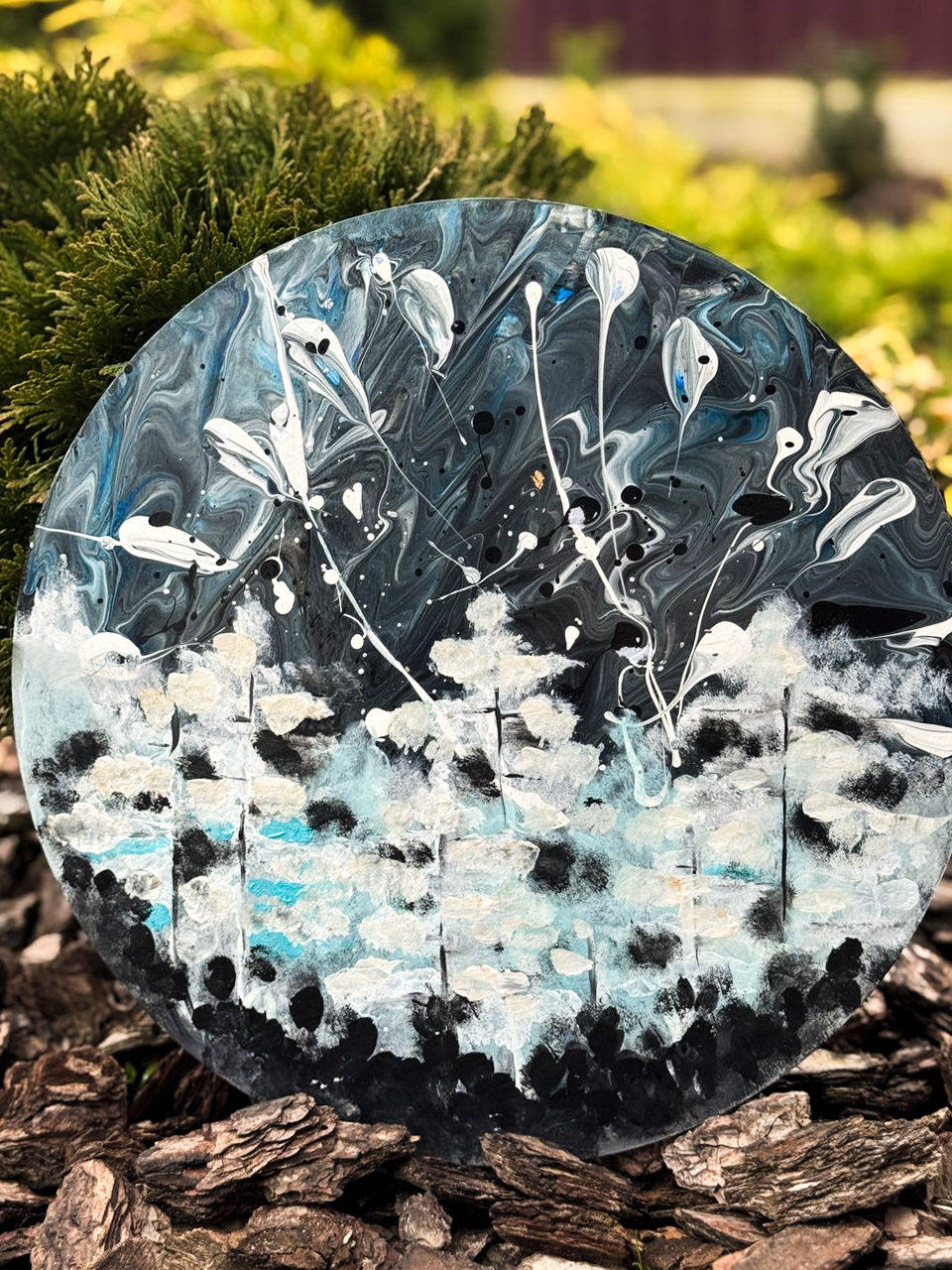
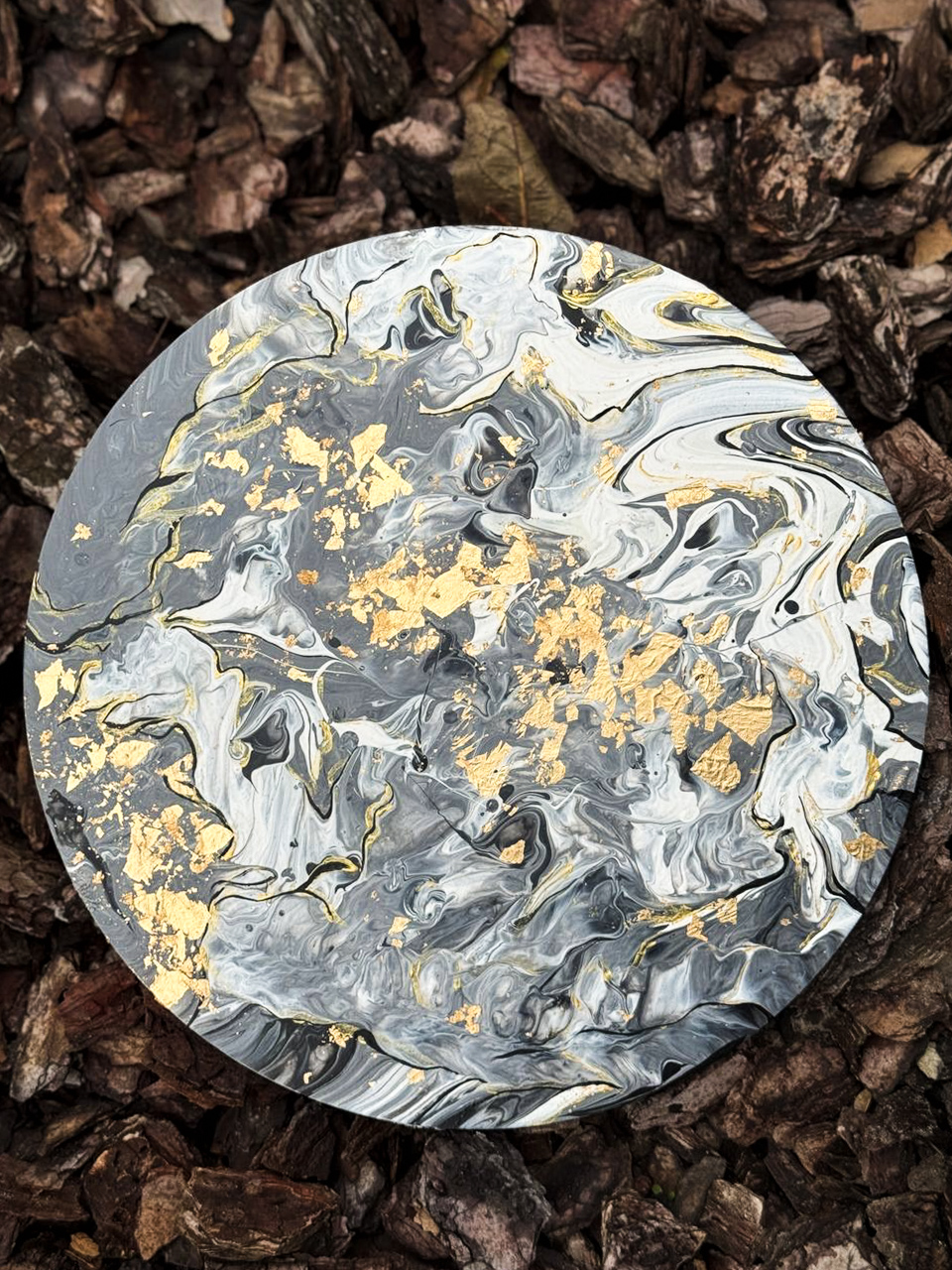
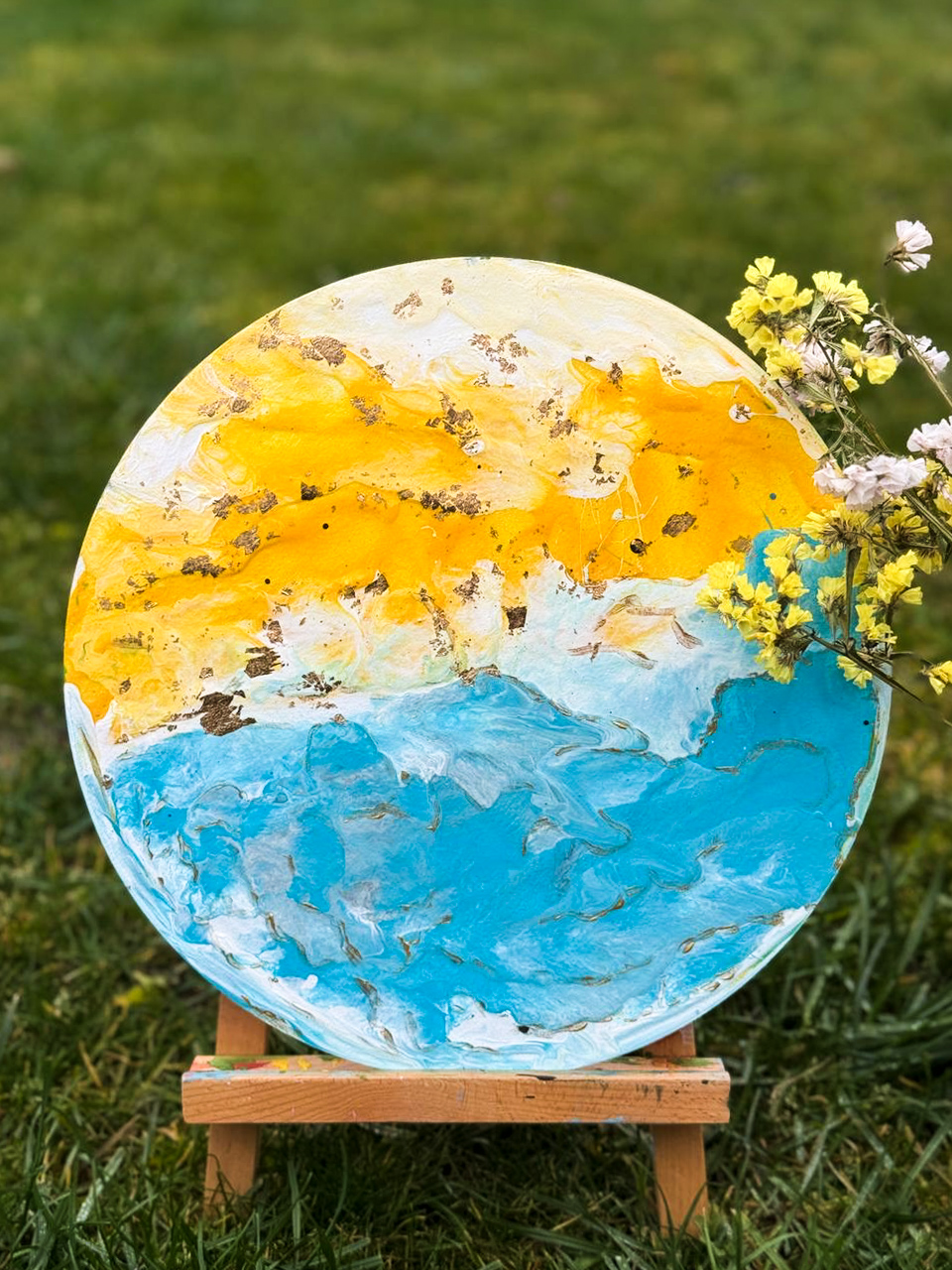
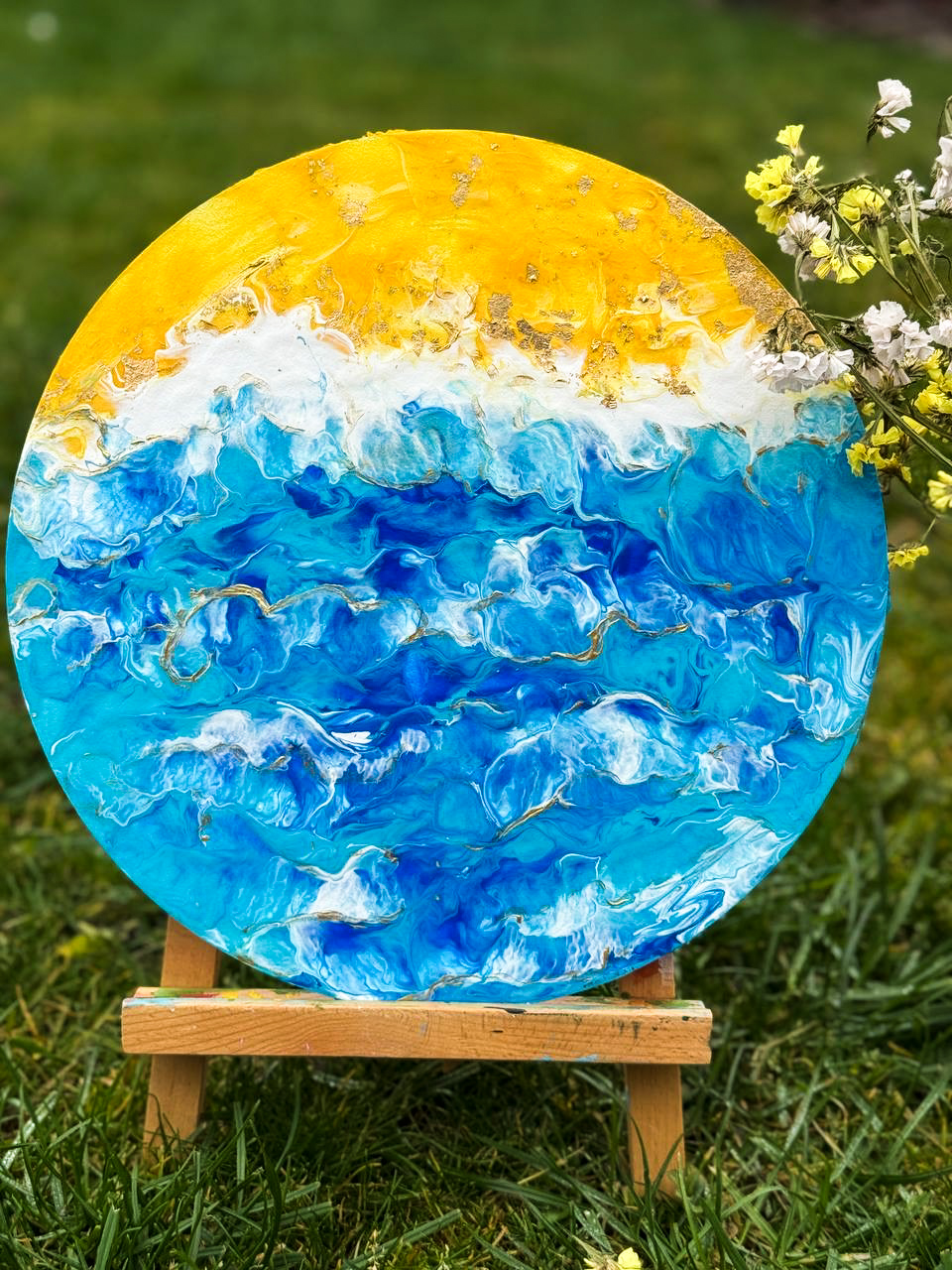
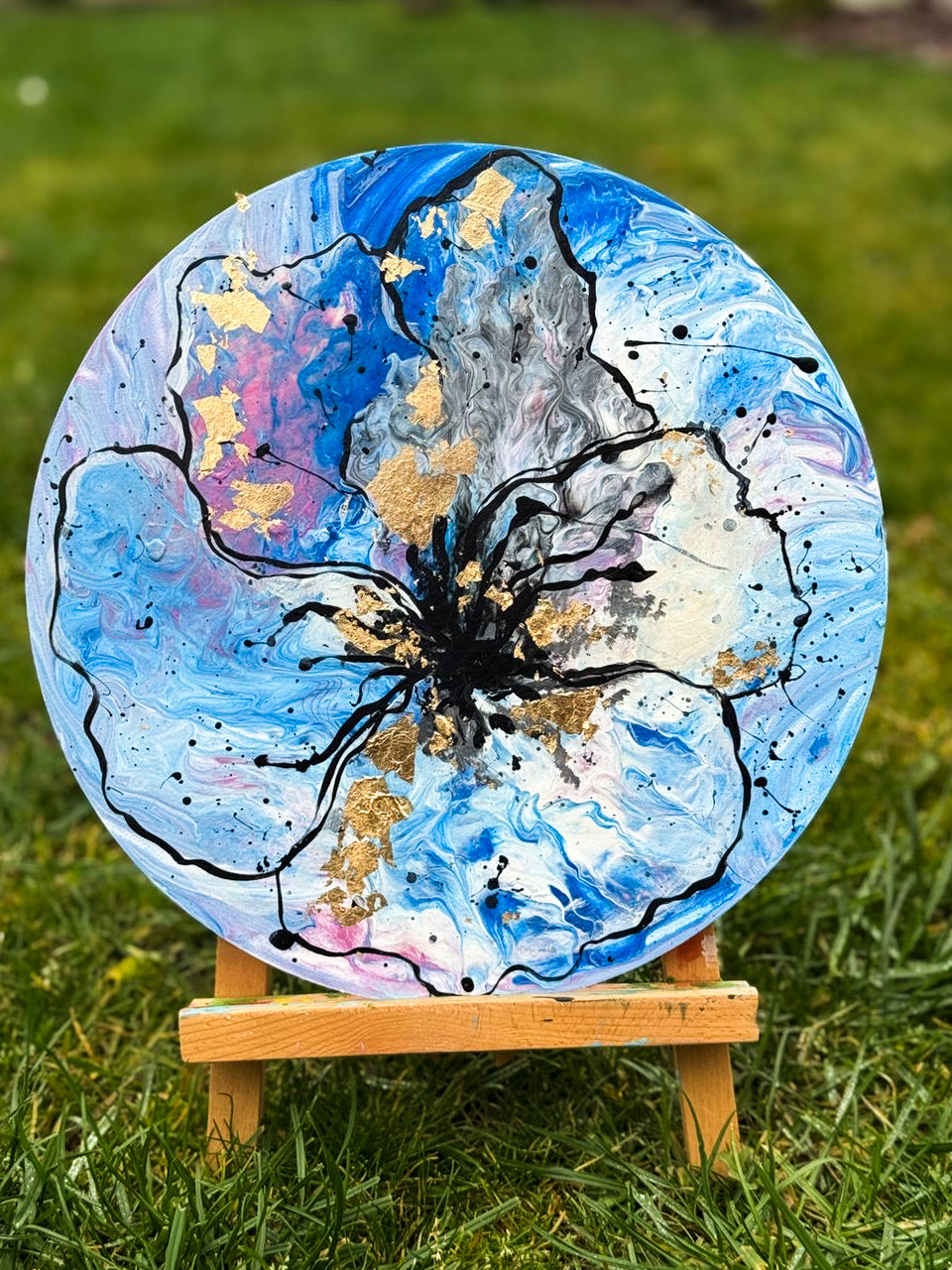
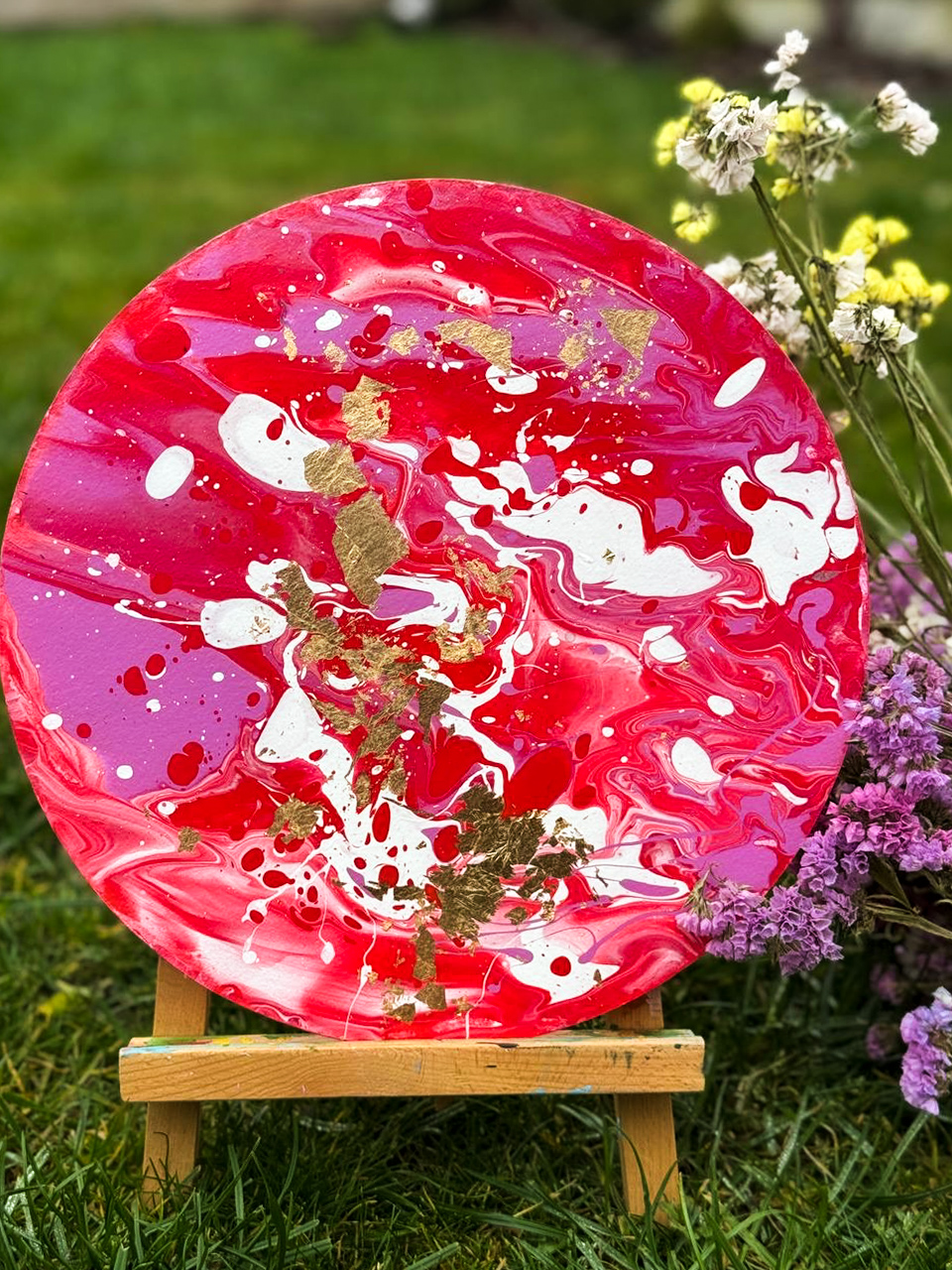
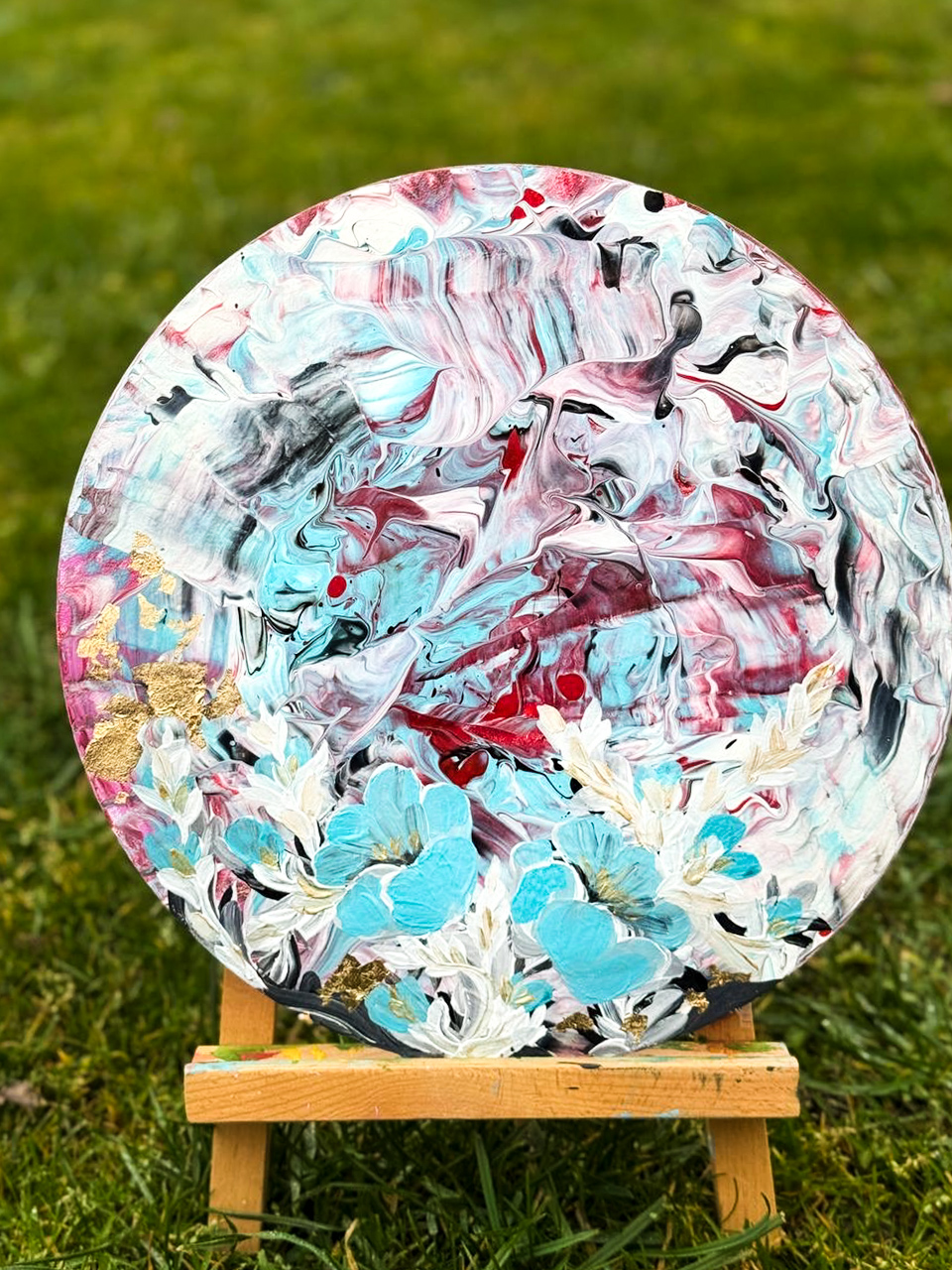
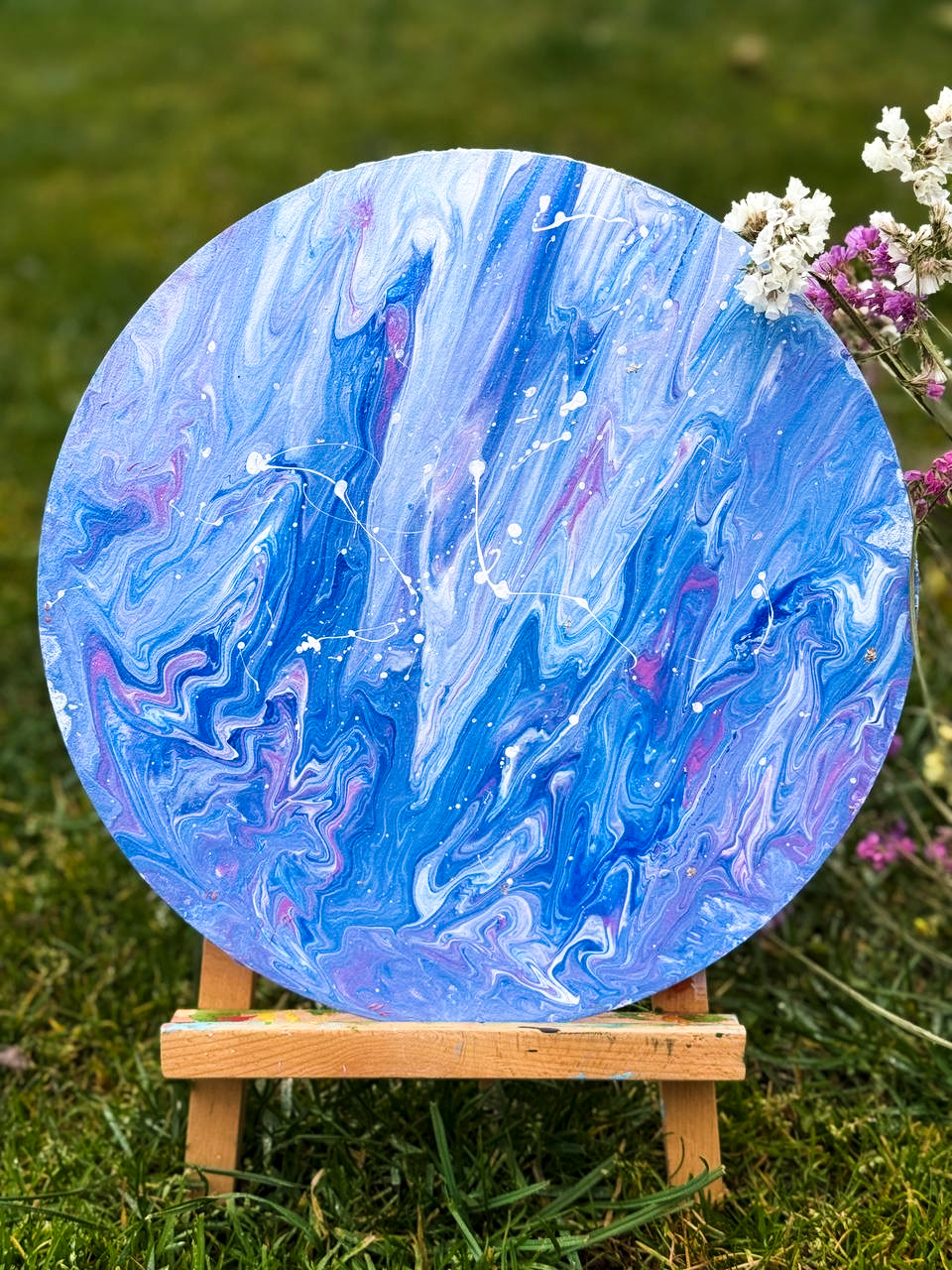
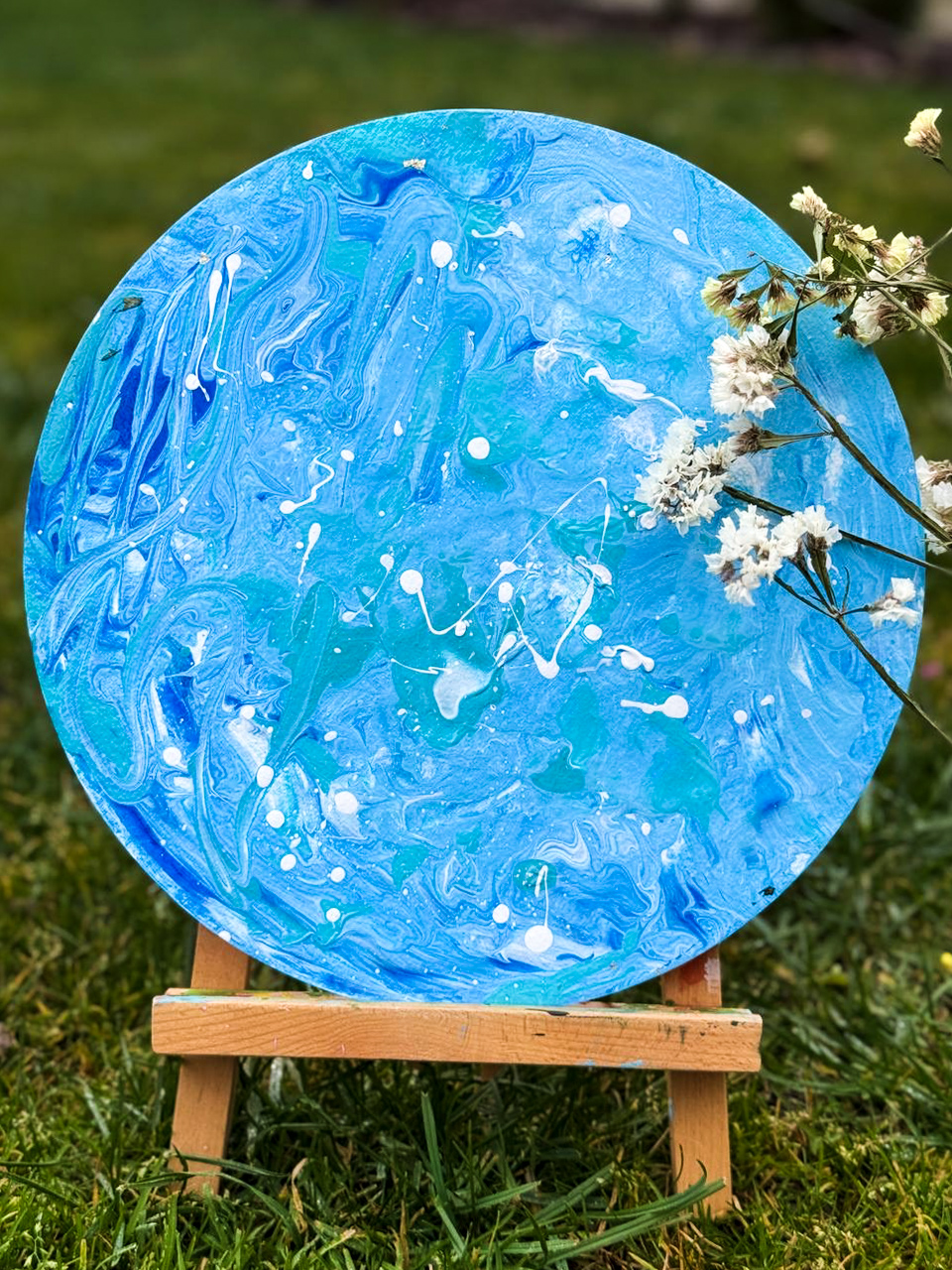
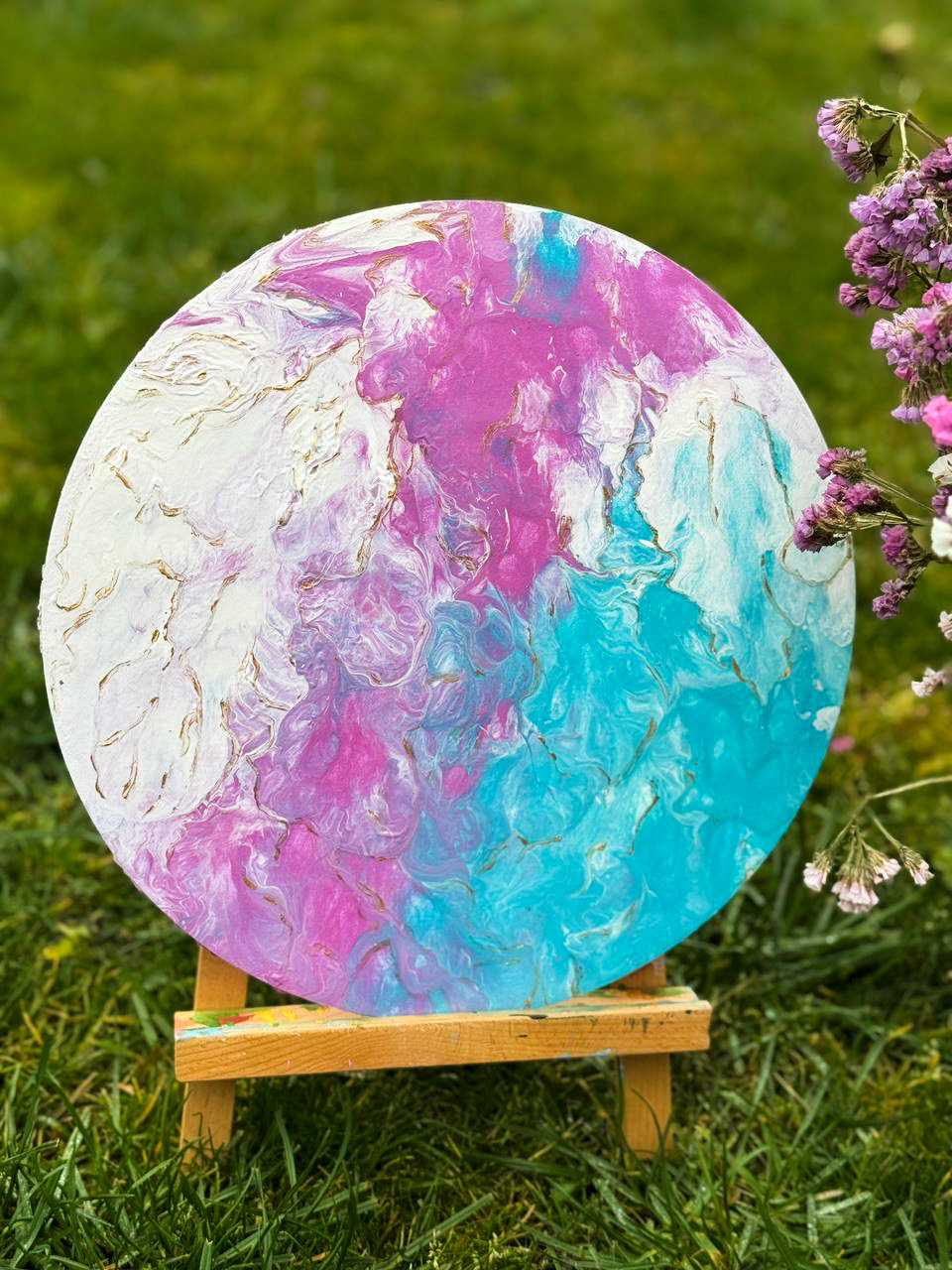
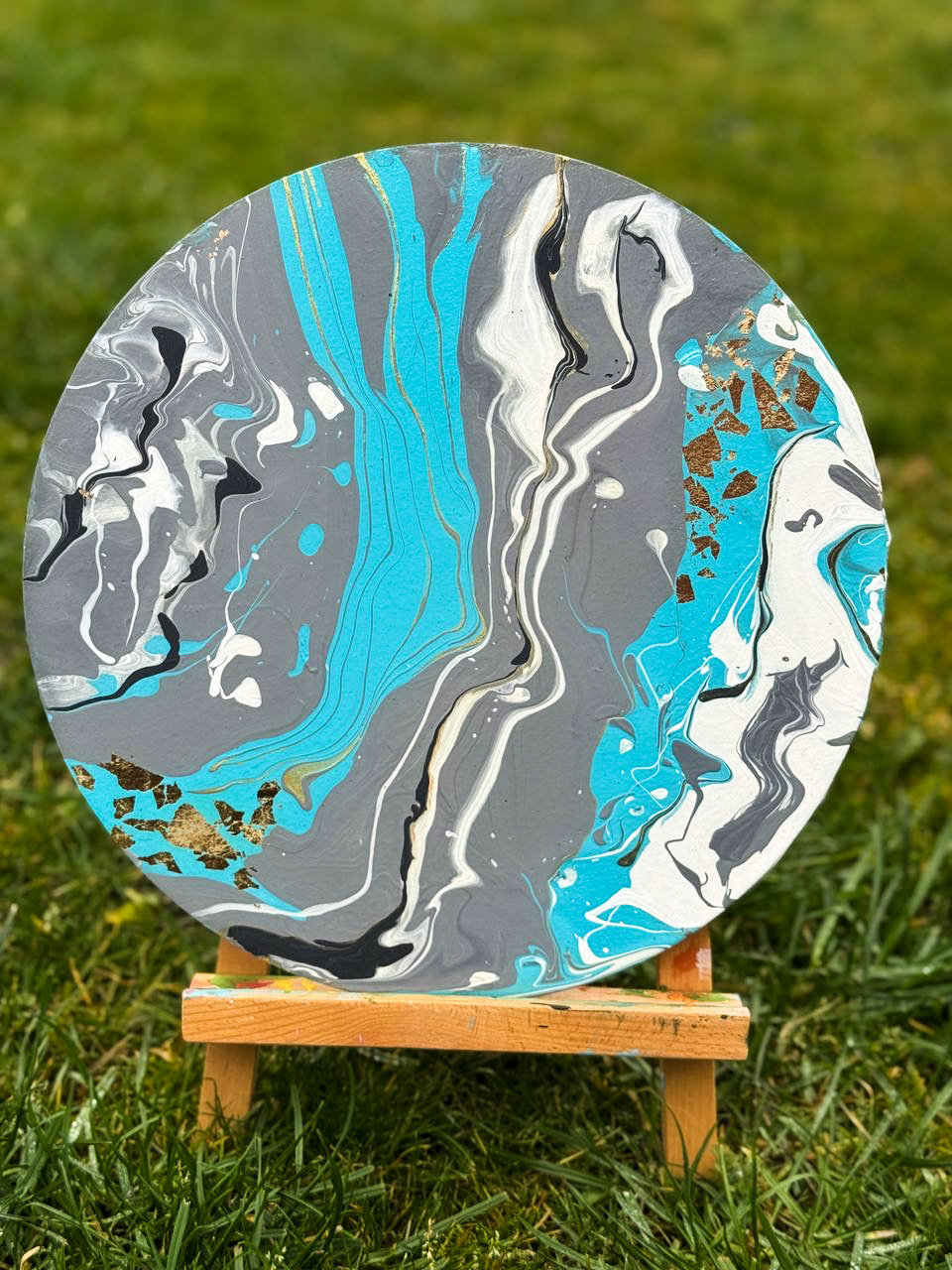
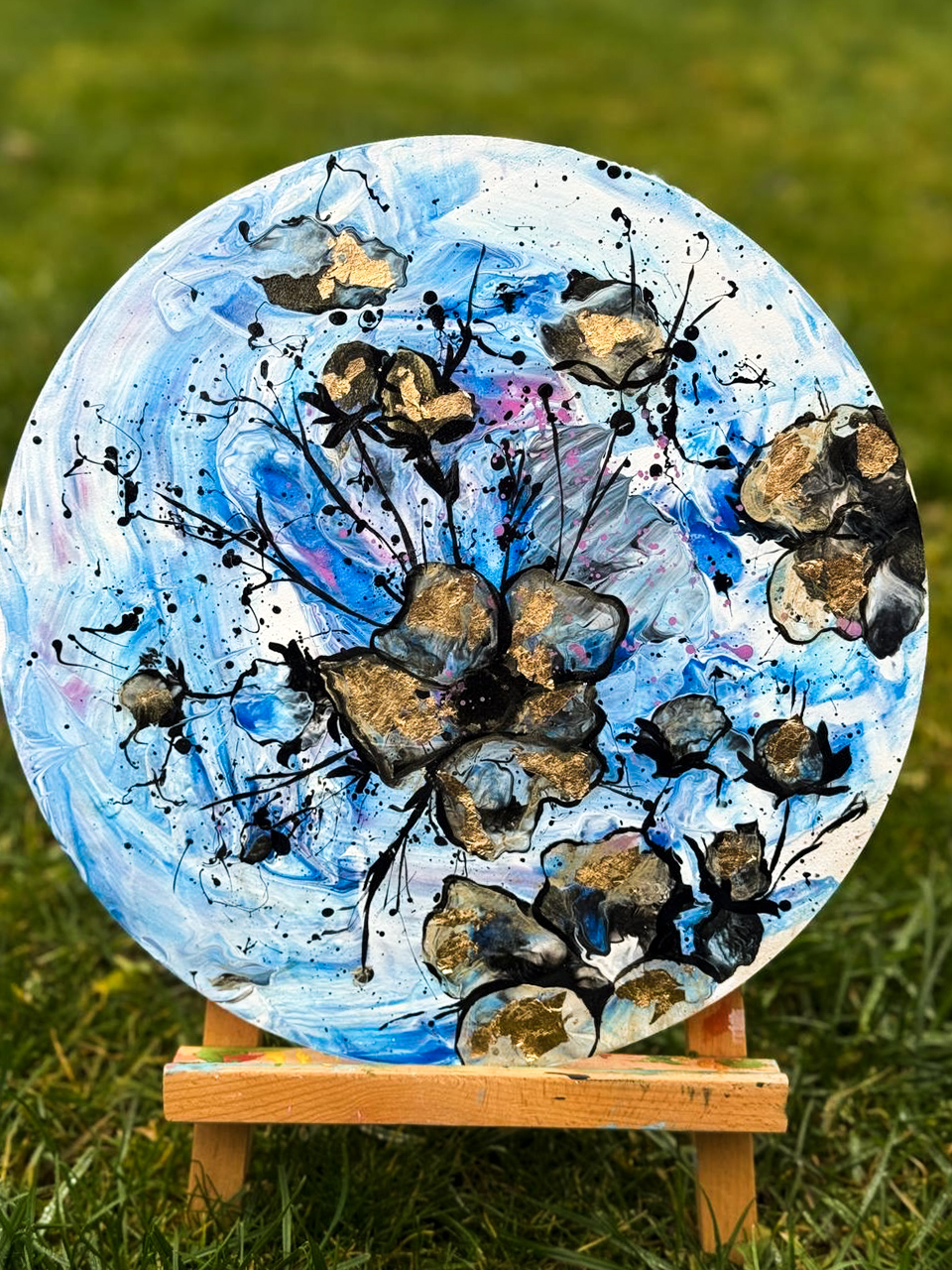
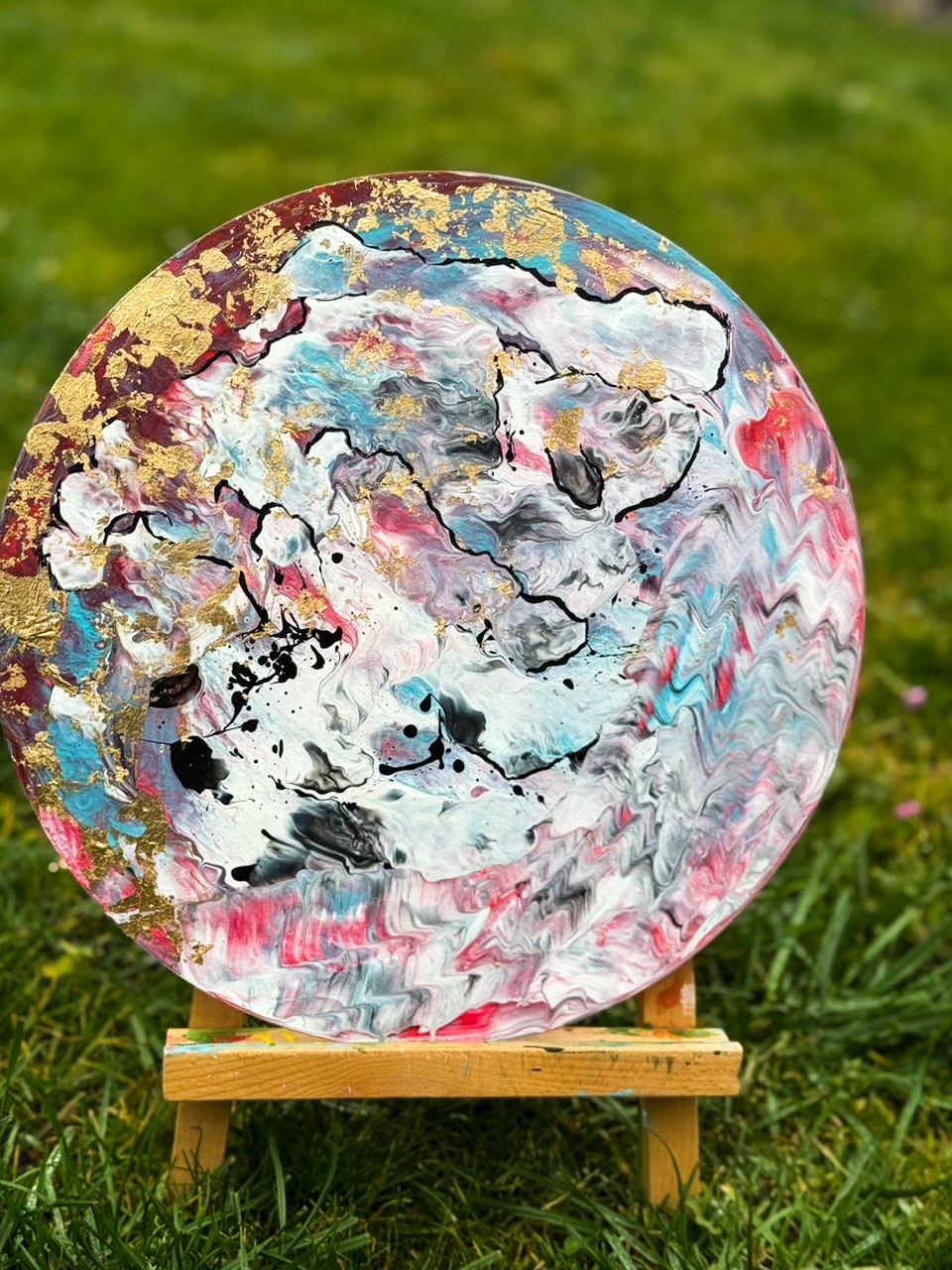
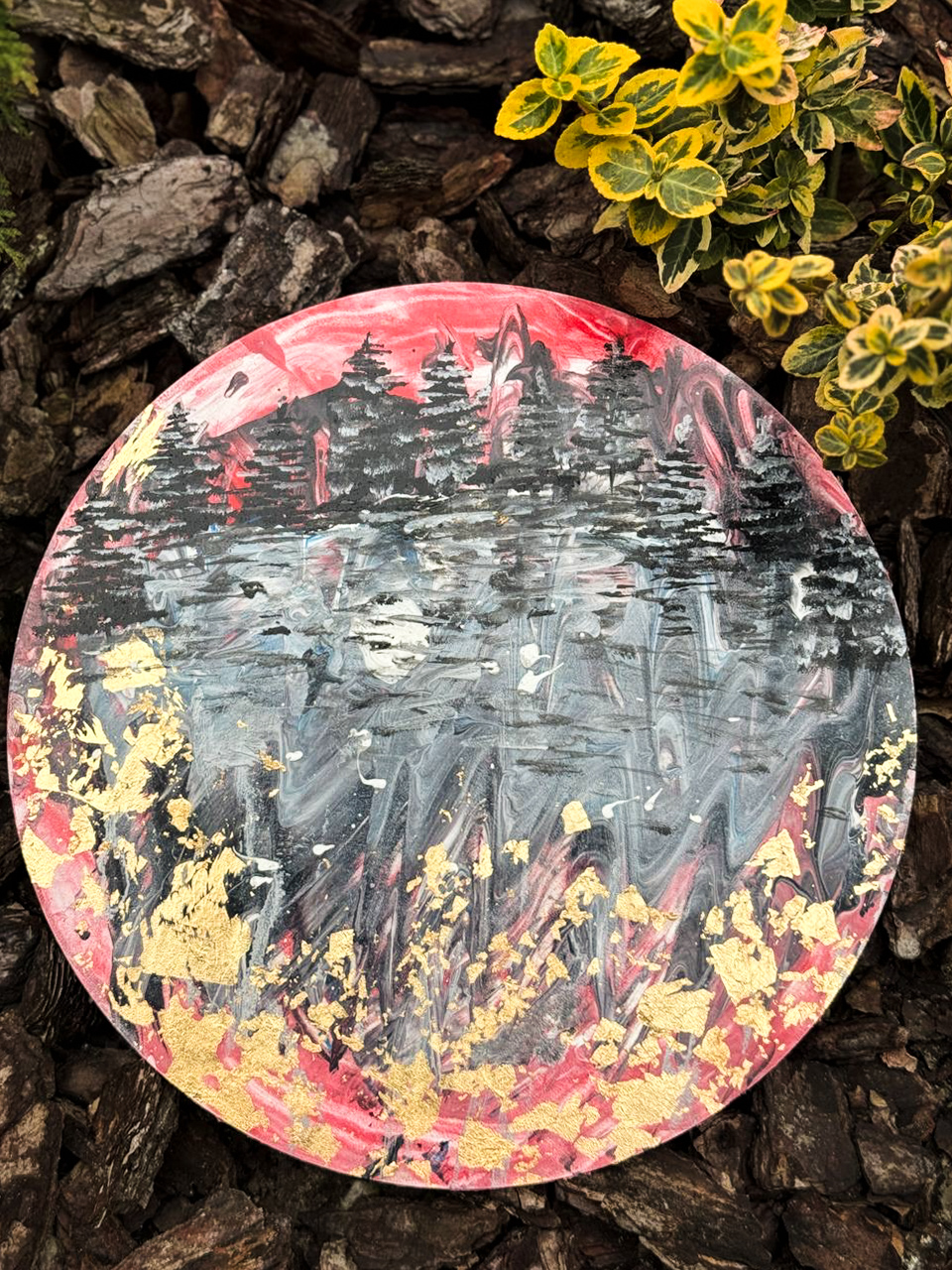
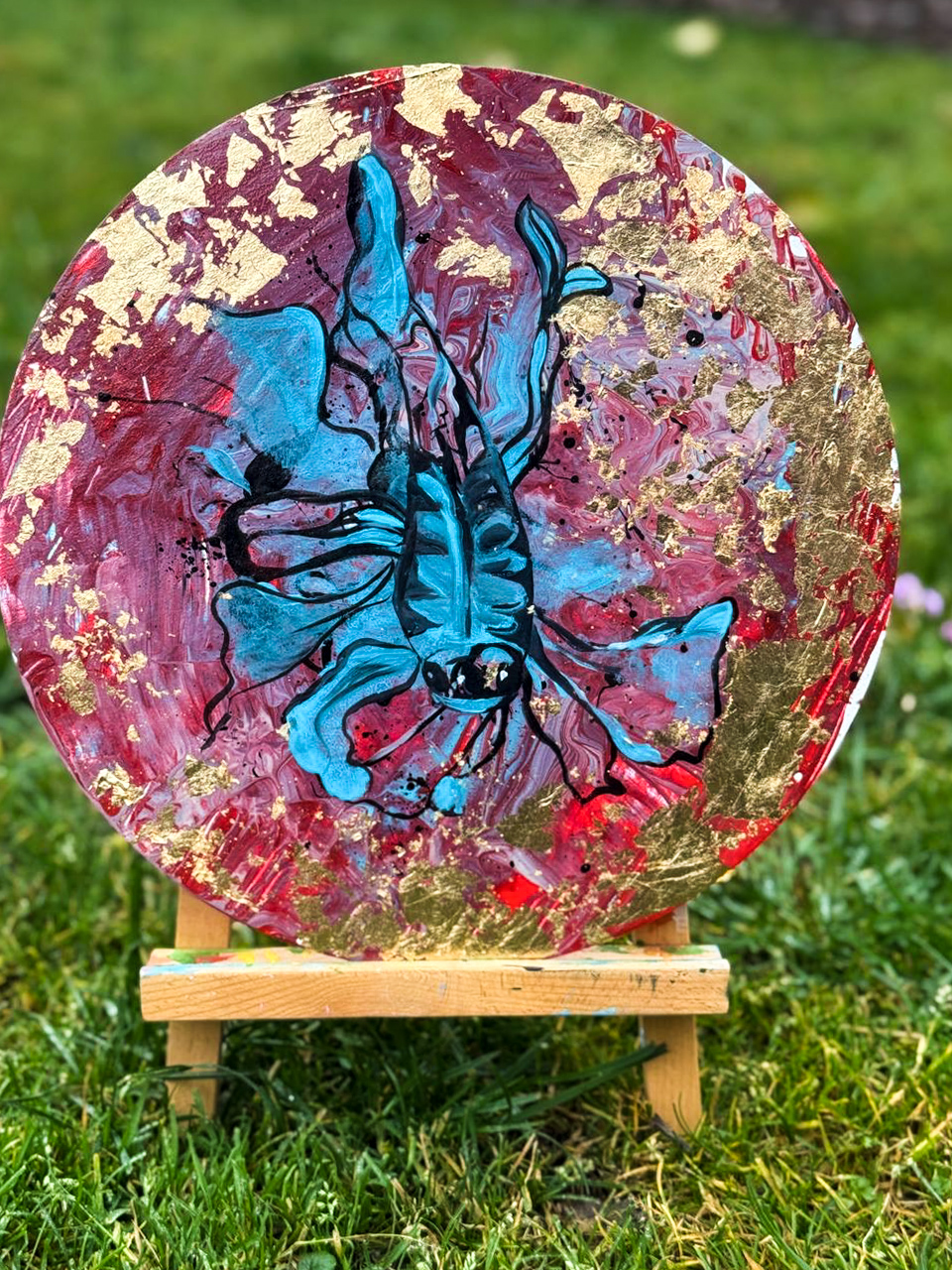
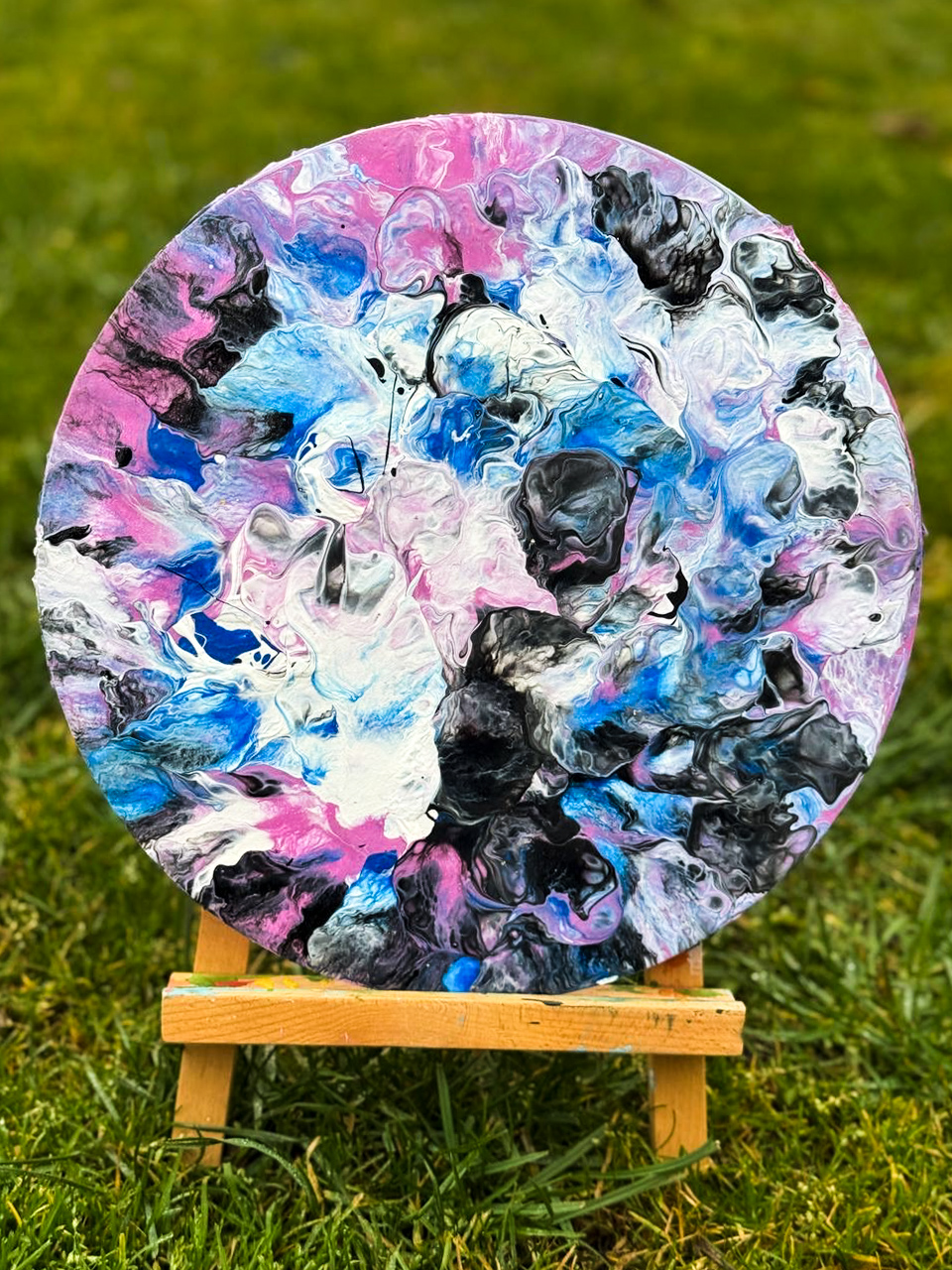
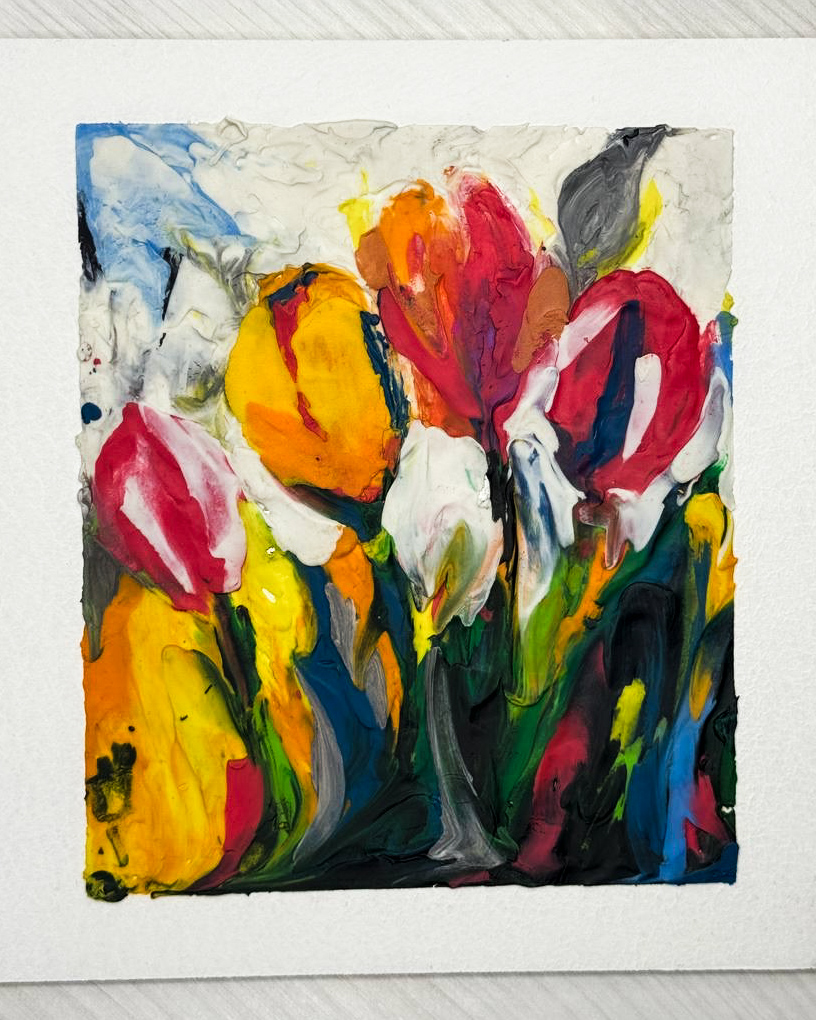
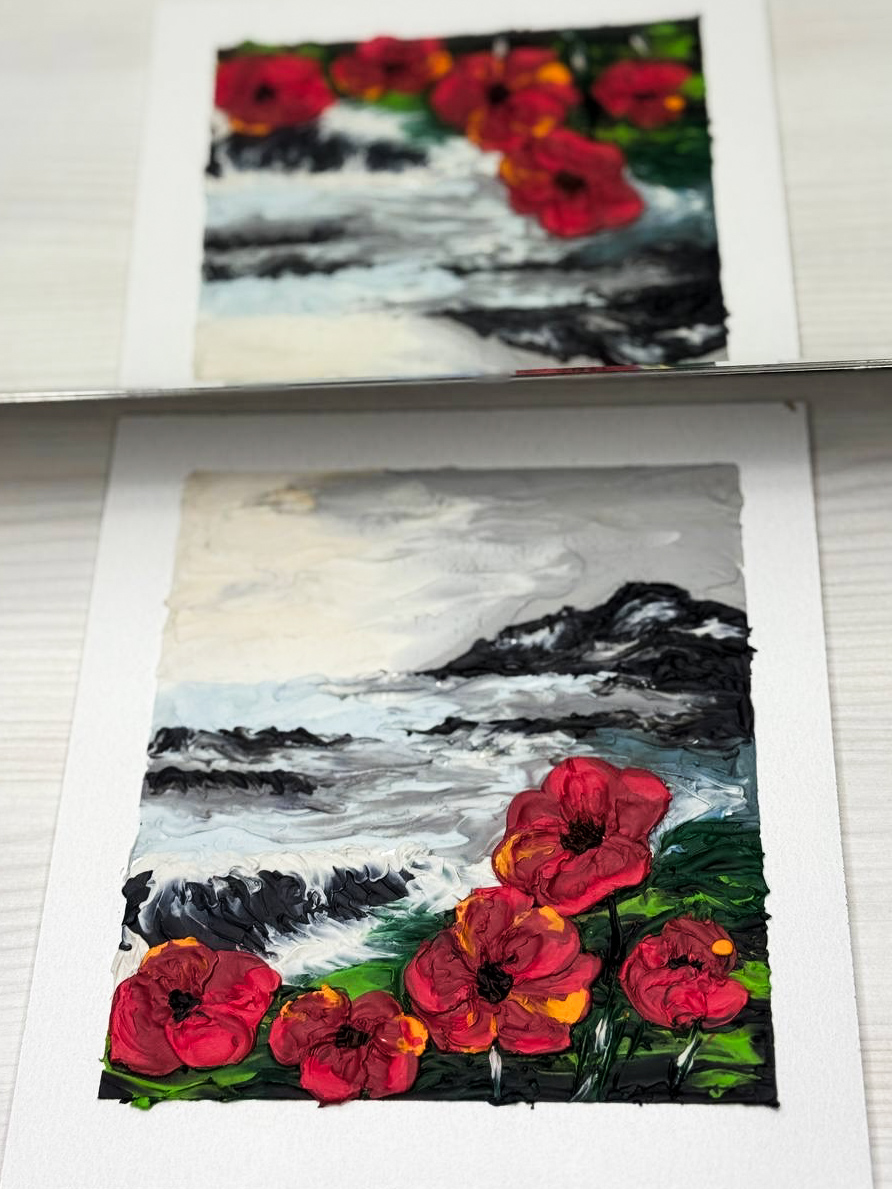
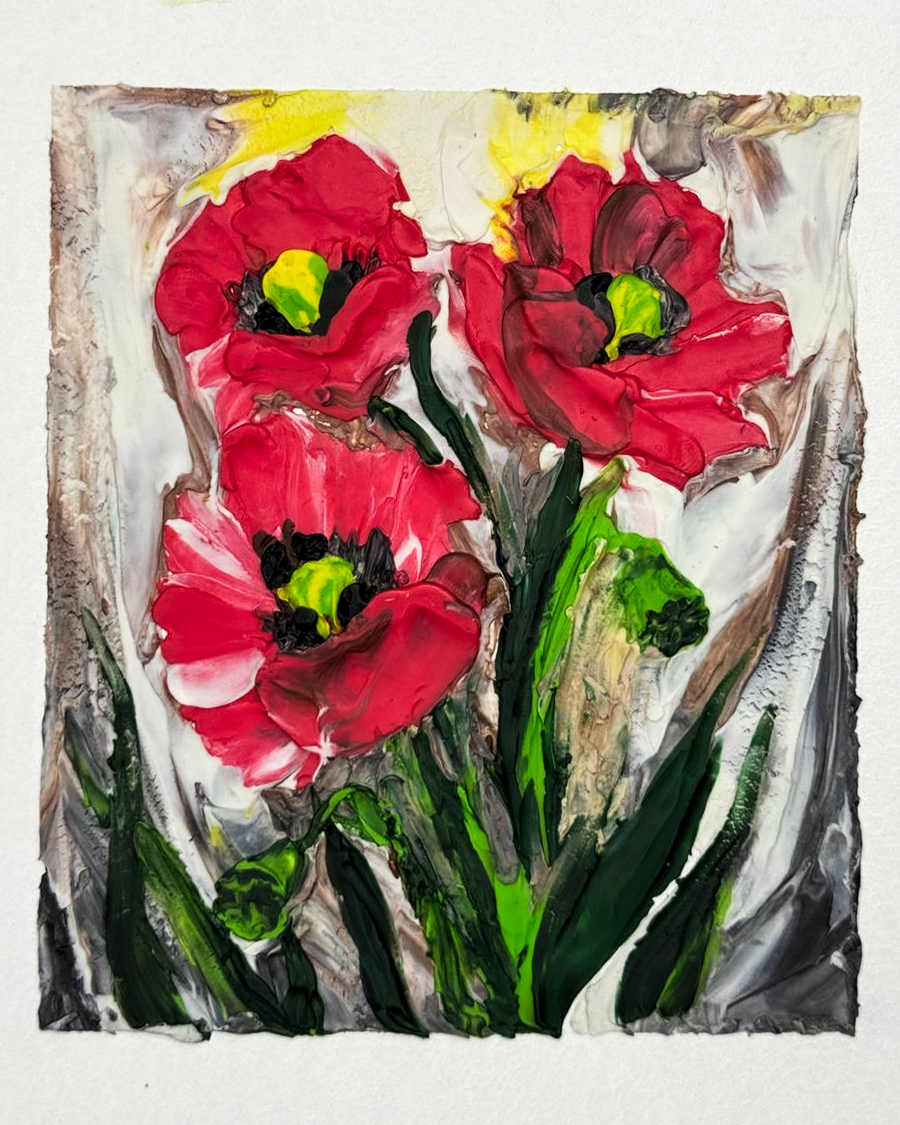
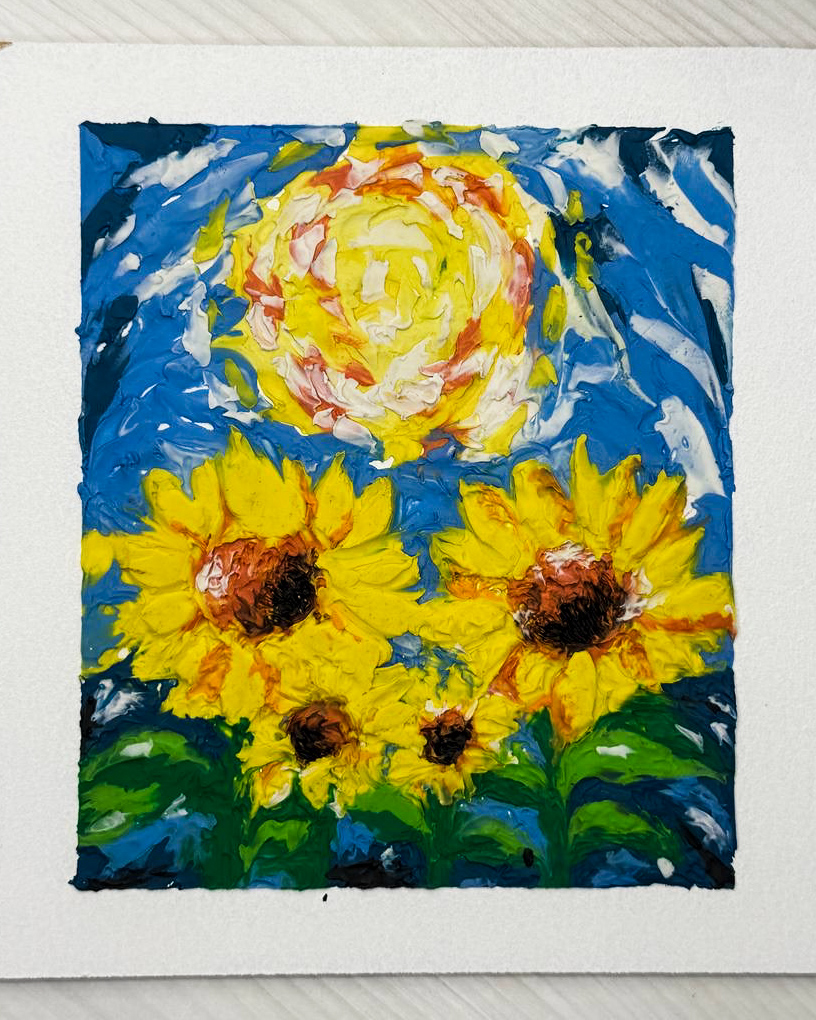
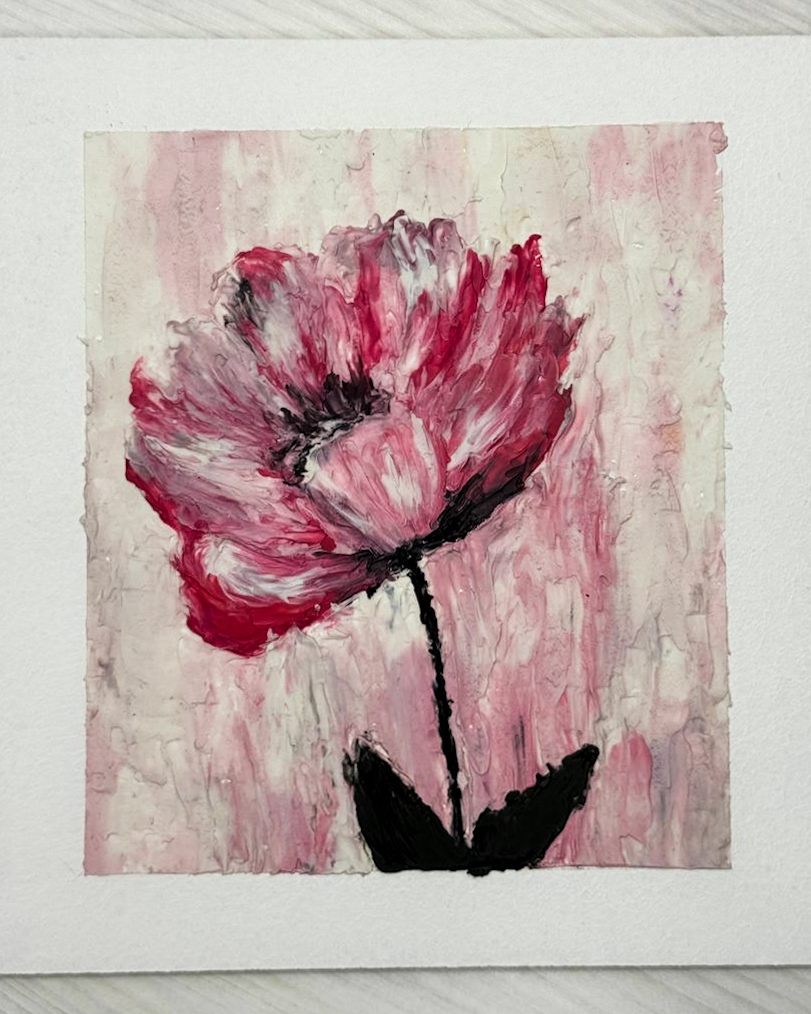
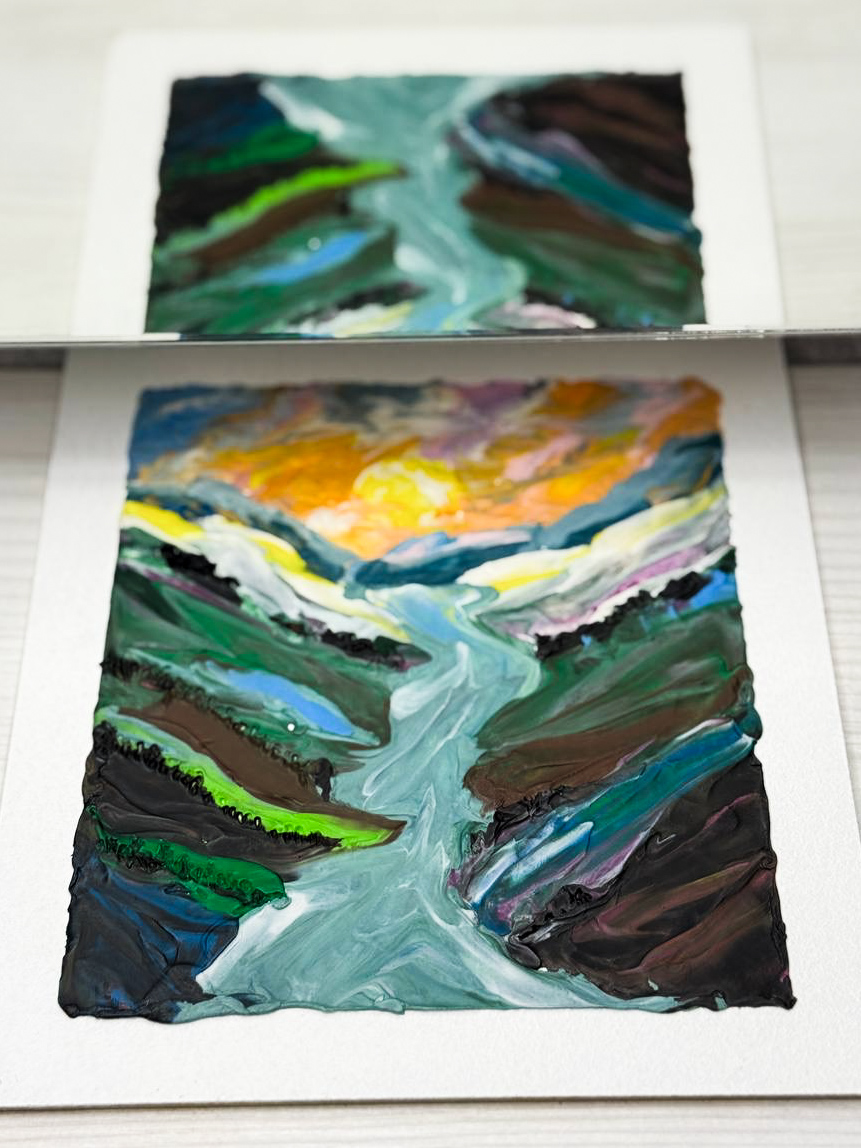
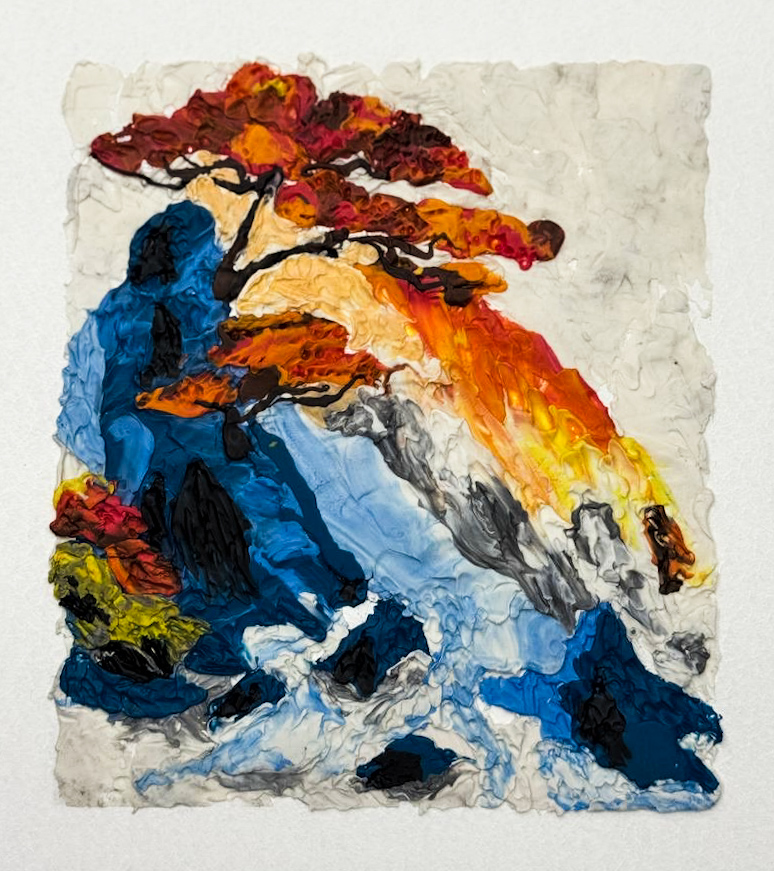
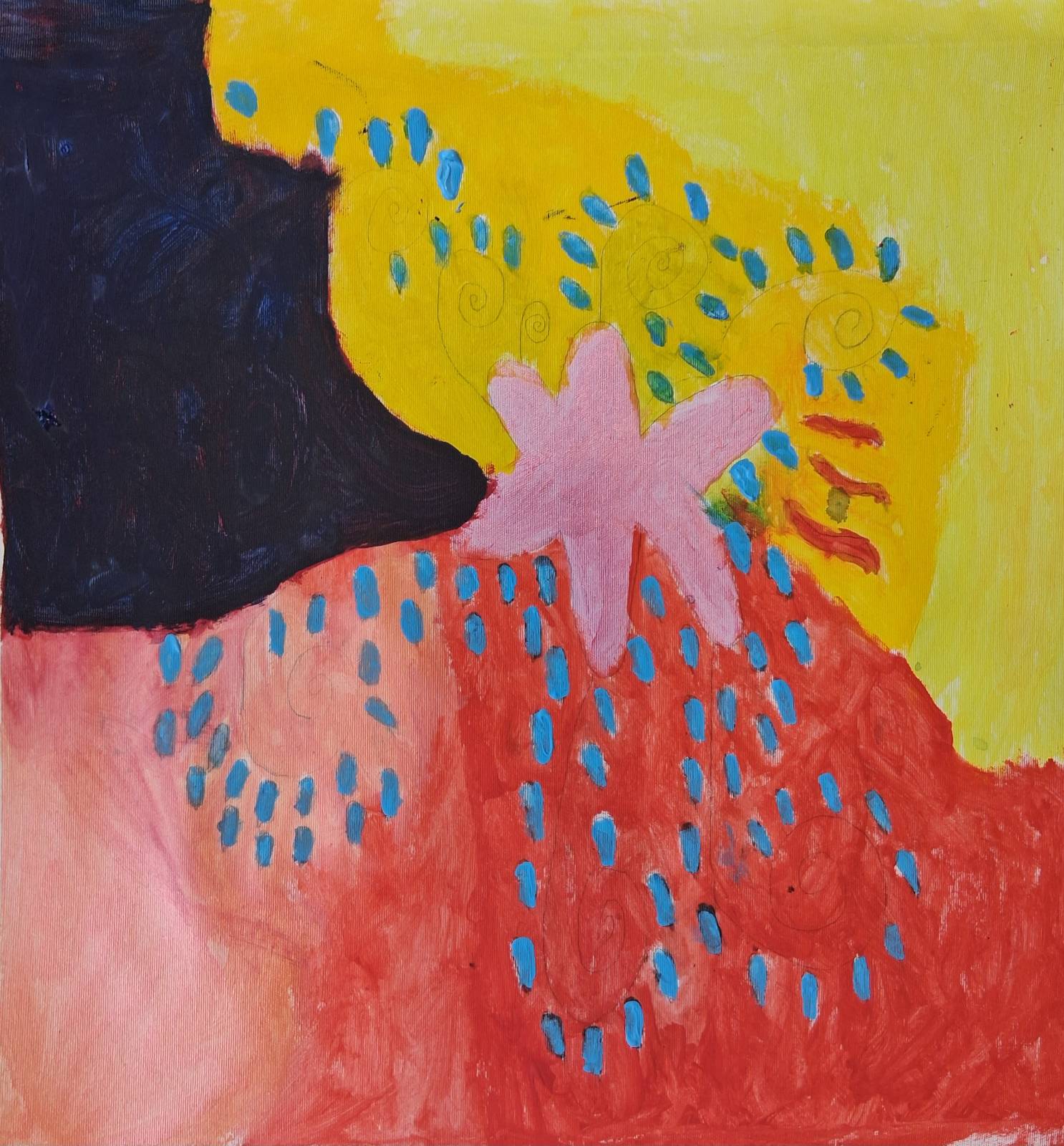
Emotional exploration through colour and movement
- MDF art boards for fluid art (diameter 30 cm)
- Ready-to-use fluid art acrylic paints: white (largest quantity), blue, purple, black, yellow, green, red, brown, gold, silver, etc.
- Disposable black gloves
- Paper cups – for paint and as supports
- Brushes (small)
- Wooden sticks (coffee-stick type) for mixing paints
- Spray varnish for sealing finished artworks
- briefly reflect on how you are feeling in the moment
- intuitively associate emotions with colours
- put on gloves and choose colours freely
- pour paint on MDF surface and allowed it to flow by tilting and rotating the board
- follow sensations and emotions rather than visual control
Optional:
- Using straws to blow paint and create organic patterns.
- Using wooden sticks or brushes to guide or draw into the paint.
- Layering colours to reflect emotional complexity.
- How did you feel before starting the painting, and how do you feel now?
- What part of the process felt most calming or meaningful for you?
- Did any emotions appear that you did not expect?
- How did it feel to express emotions without words?
Participants’ testimonials
The secret map of inner worlds
- A4 paper
- Colour pencils
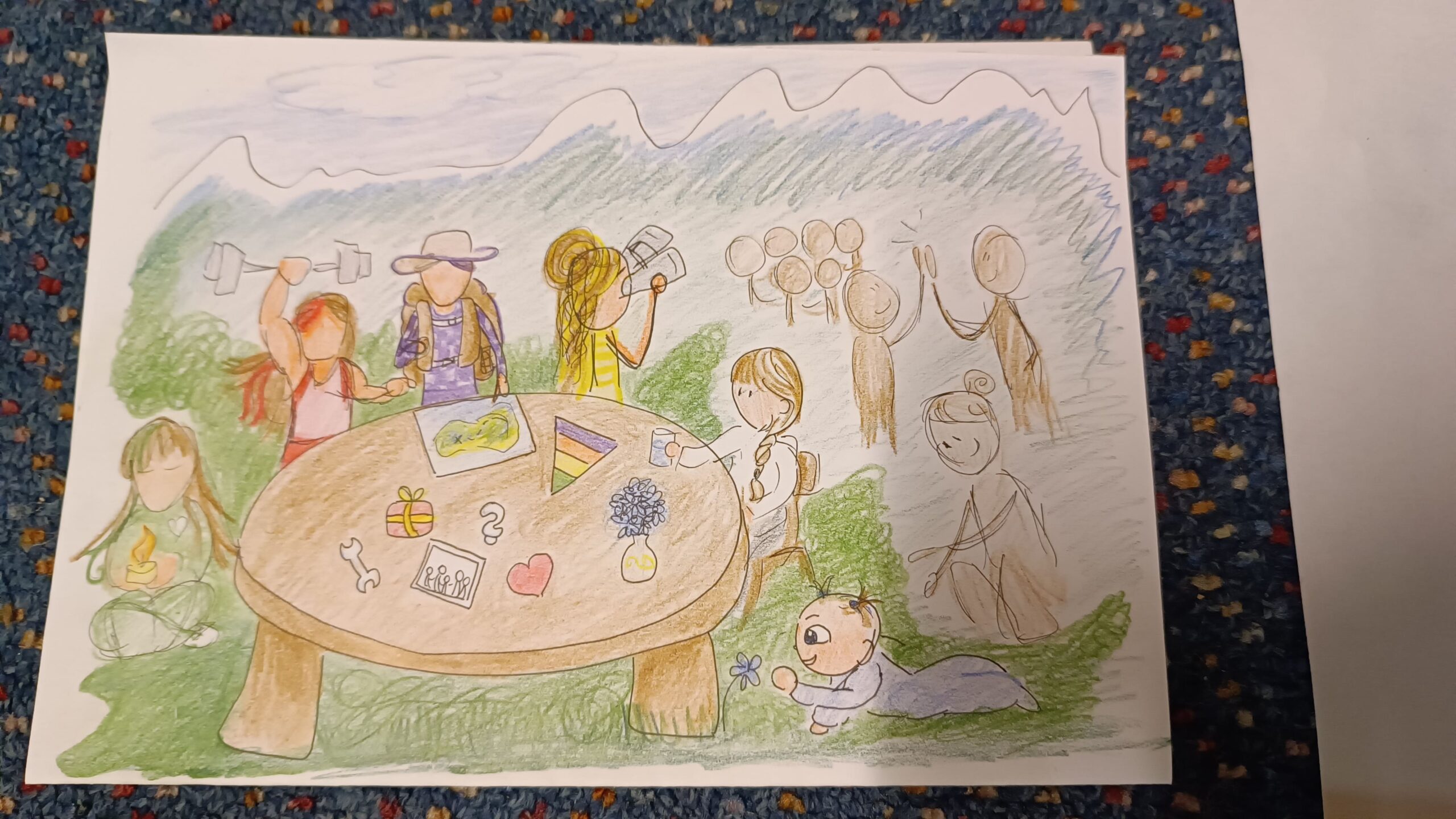
- Draw a symbolic map of your personal kingdom
- Place different elements according to the following directions:
East – the sunrise of new possibilities.
West – places of past experience.
South – warmth, support, and safety.
North – challenges, obstacles, and growth.
- Name your locations freely (e.g. “Forest of doubt”, “Lake of calm”, “Mountain of courage”).
Make a story of:
- Where does the journey begin?
- Where do they want to arrive?
- What creatures, symbols, events, or helpers appear along the way?
If you can, share it with a friend.
- Which place on your map feels most alive for you right now?
- Was it easier to talk about yourself through symbols rather than directly?
- What surprised you in your map or your partner’s journey?
- Which direction (north, south, east, west) feels most present in your life?
- What would help you move safely through your inner kingdom?
Participants’ testimonials
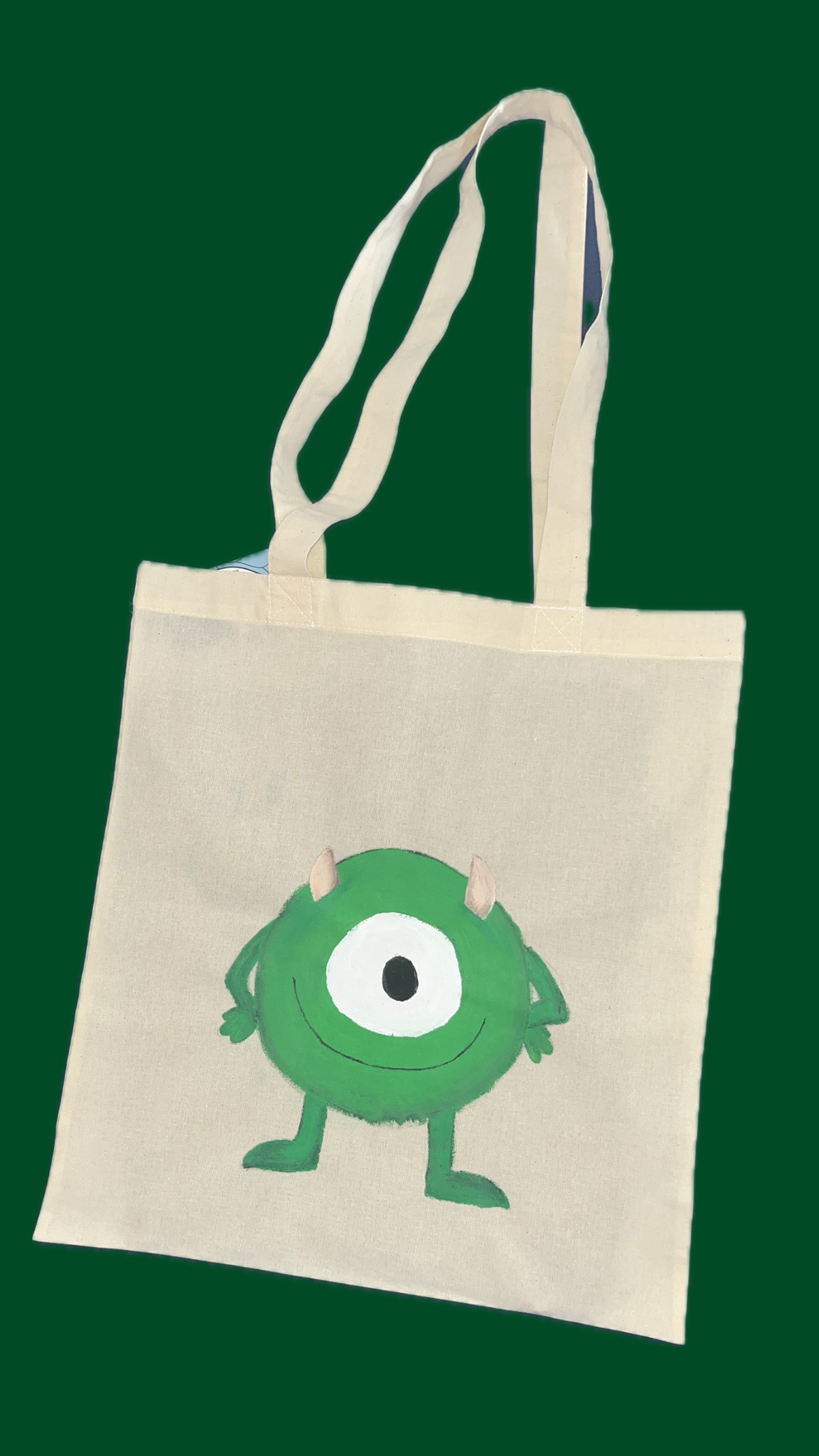
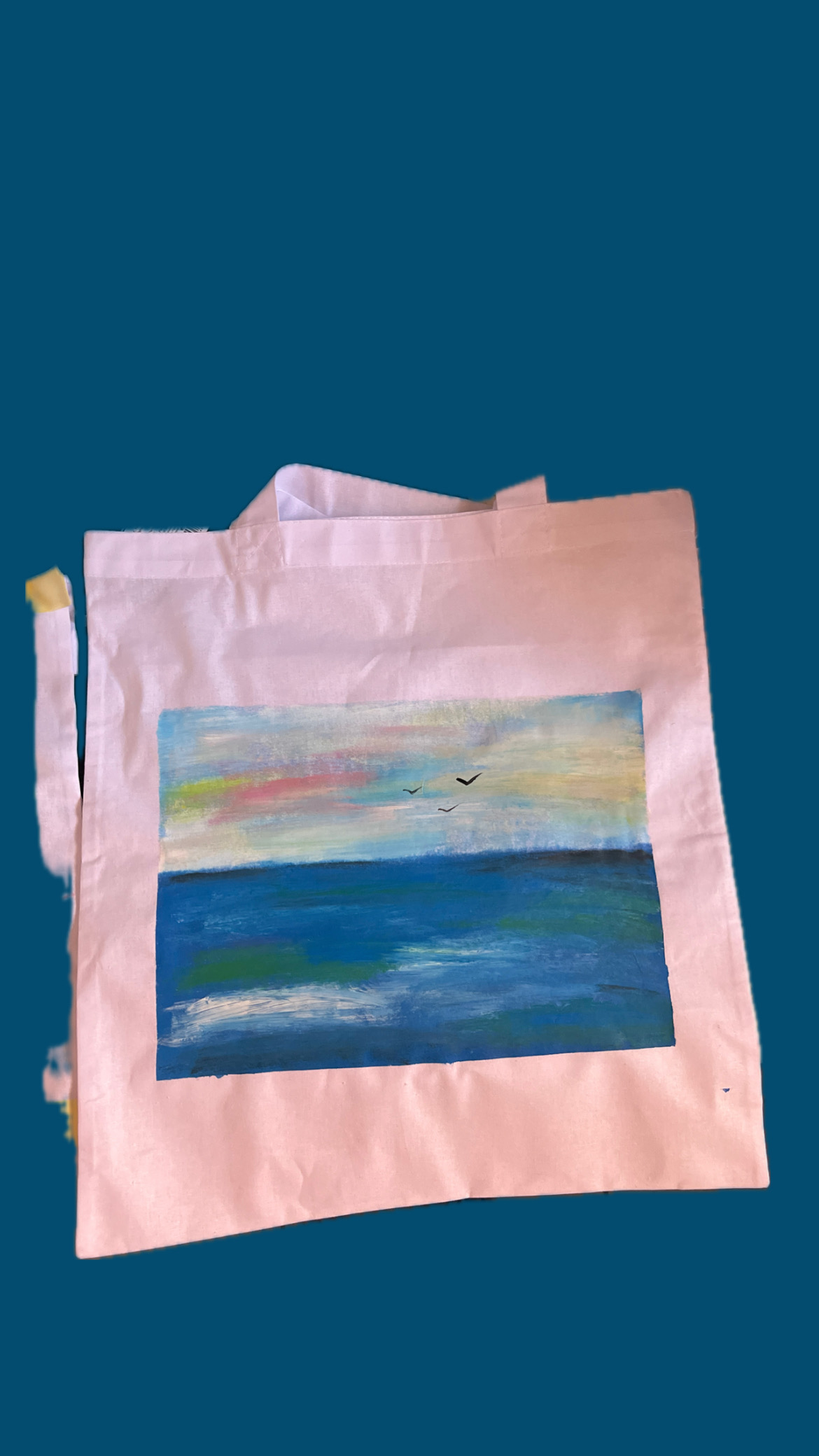
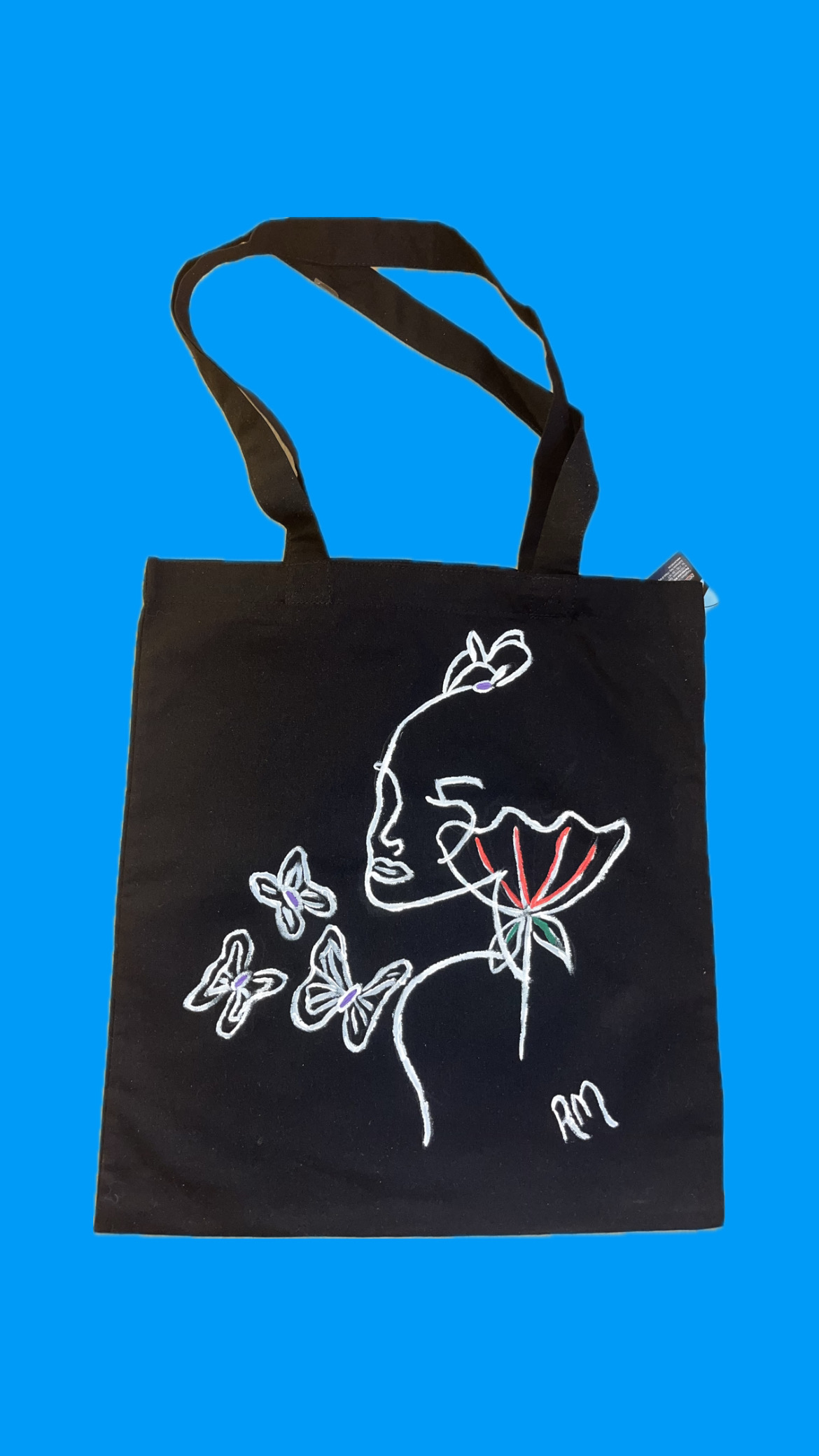
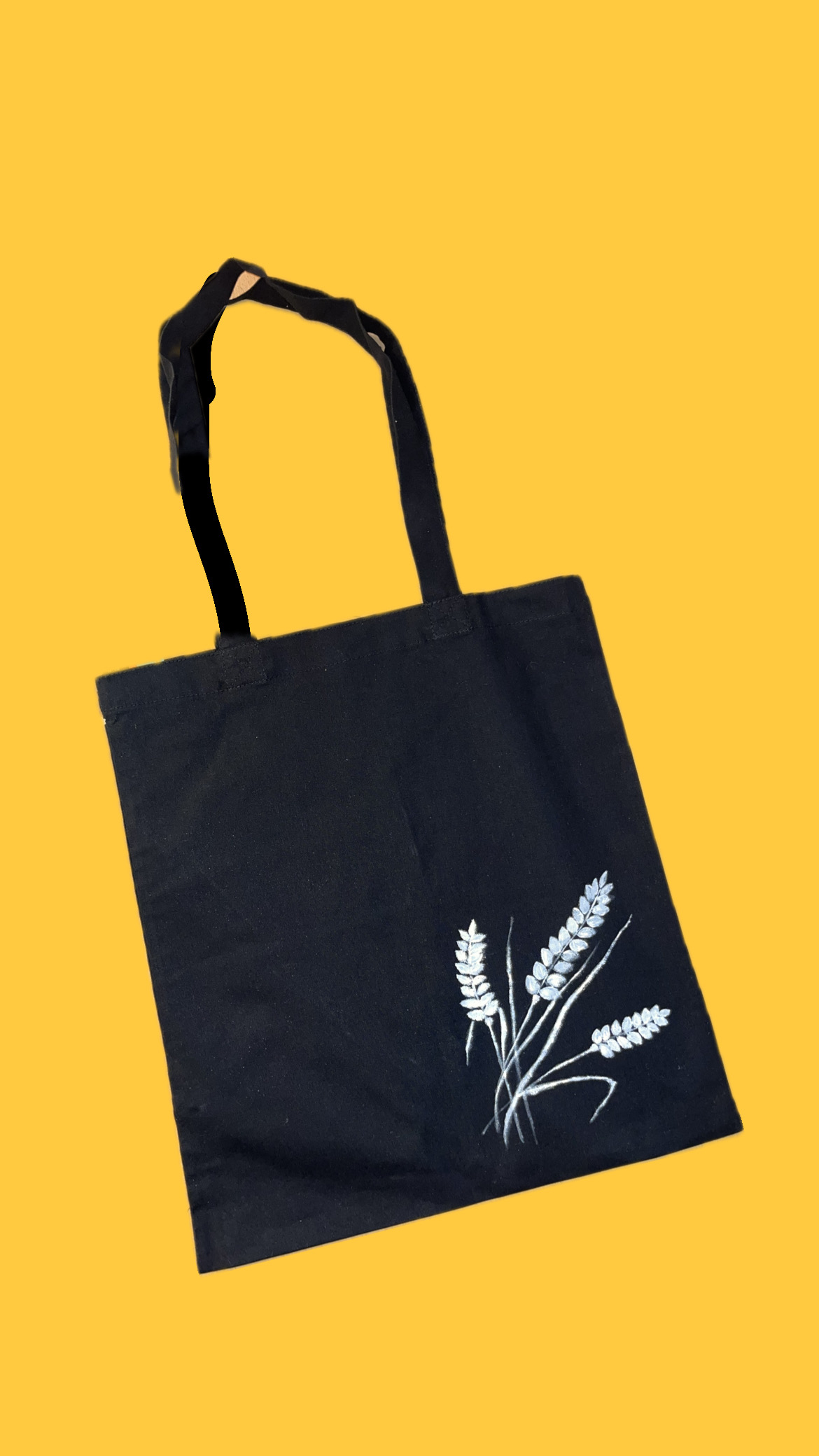
Design on canvas (tote-bags)
- Cotton eco-bags
- Acrylic paints or special textile paints
- Paintbrushes of different sizes
- Sponges
- Palettes or disposable plates for mixing colours
- Jars of water for rinsing brushes
- Napkins or cloths for wiping tools
- Cardboard or paper (to place inside bags so paint does not seep through)
- Sketching pencils
- Scotch tape (for creating lines or shapes)
- Aprons or protective clothing
- Take a few quiet minutes to imagine your design
- Think about symbols, colours, words, or patterns that represent their emotions, values, or identity
- Light sketching on paper or directly on the bag is optional.
- Begin painting your eco-bag
- What does your design represent for you?
- How did you feel during the painting process?
- Which colours or symbols felt most meaningful
Participants’ testimonials
Writing without a map (group practice)
- Few people
- Paper or notebooks.
- Pens.
- Flipchart and markers.
- Role cards (e.g. traveller, teacher, tree, river, lost key, dreamer).
- Calm background music.
Write continuously for 7–10 minutes without stopping or editing.
Suggested prompts (choose one):
- “I remember…”
- “Today I feel…”
- “If I were a colour, I would be…”
Choose a character role (e.g. traveller, tree, river, lost key).
Write a short story (10 minutes) from the perspective of this character.
- Pair up and join your stories
- Present your joint stories to the group.
- Connect your characters into a shared mini-story.
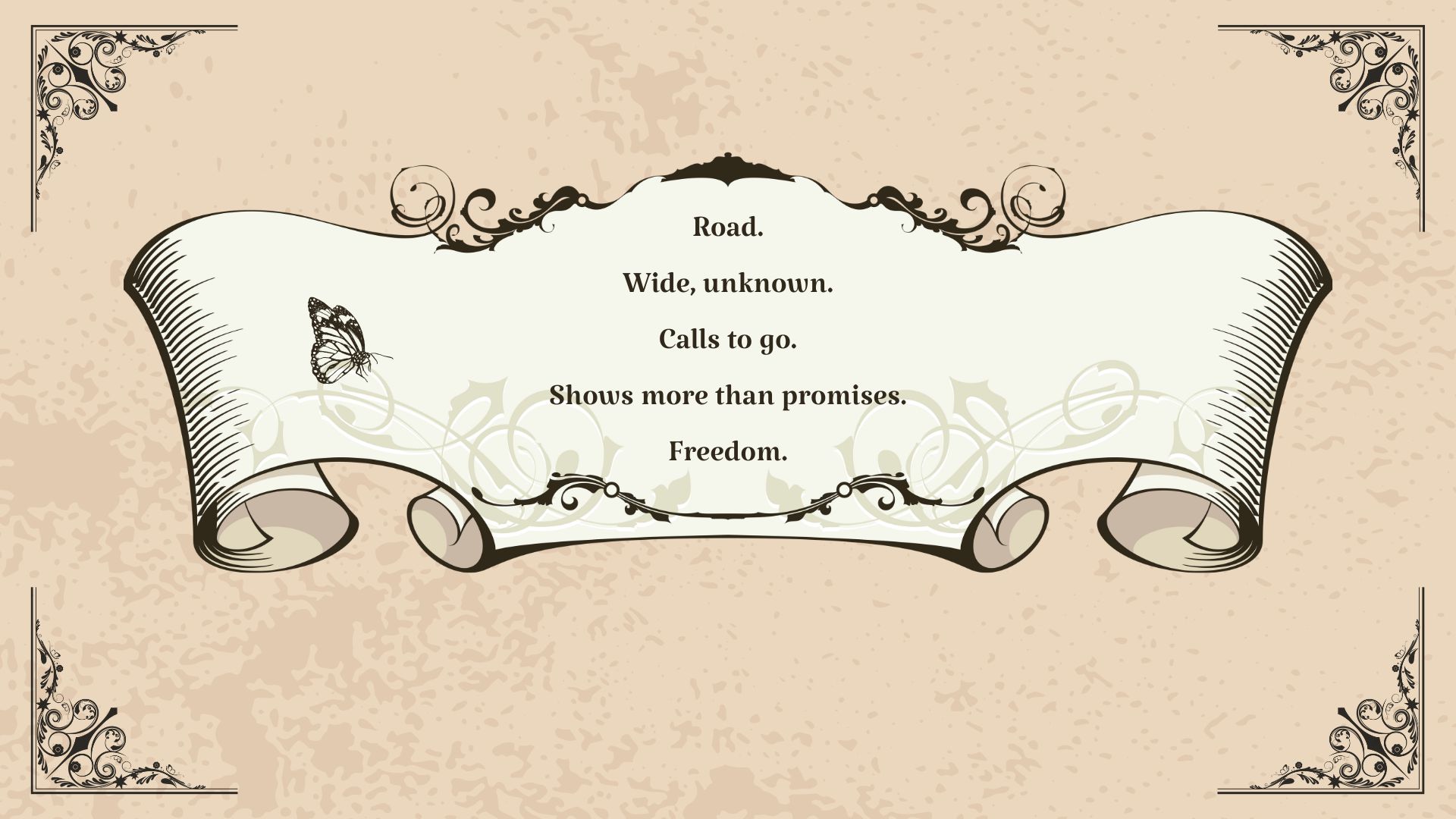
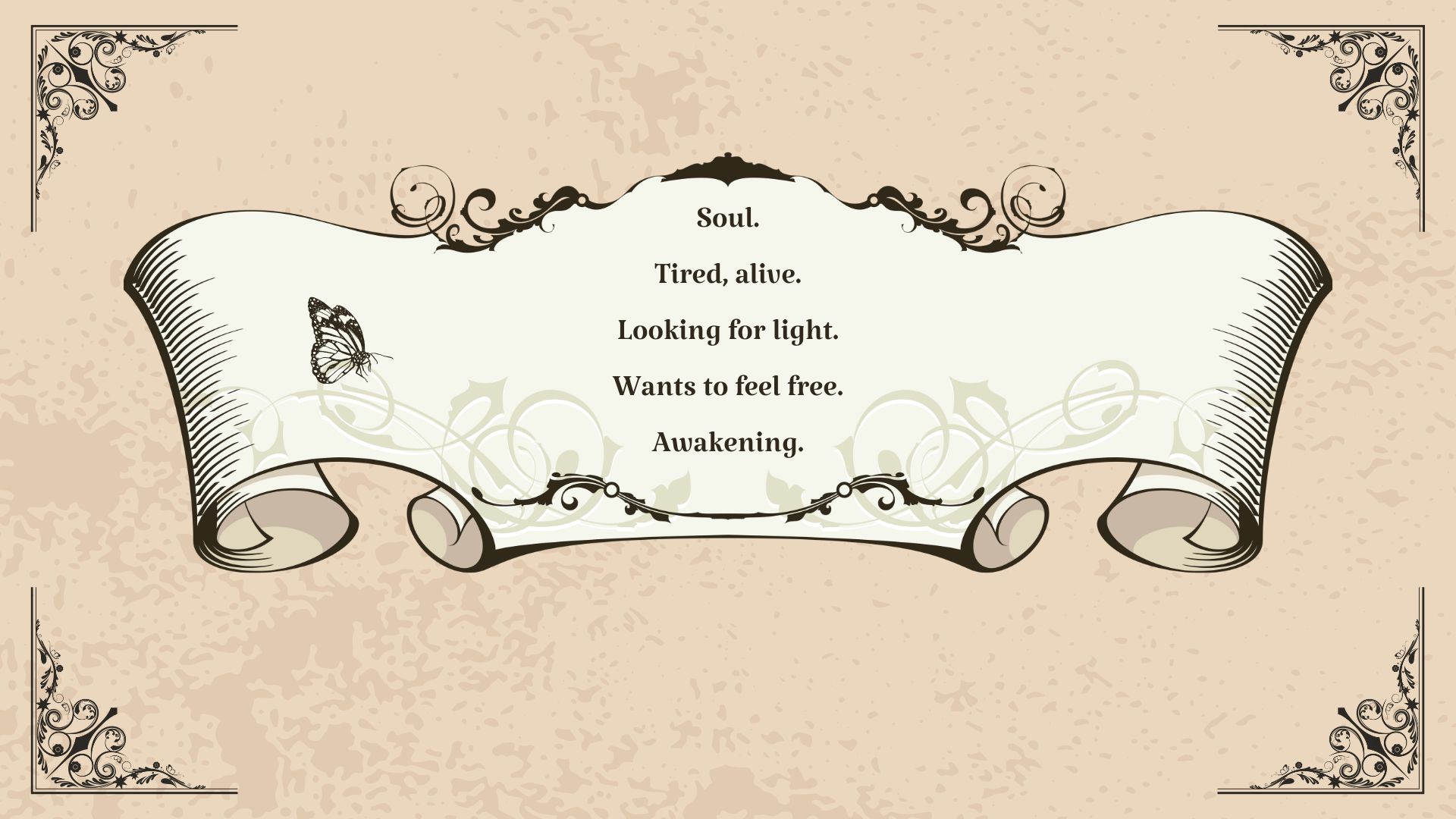
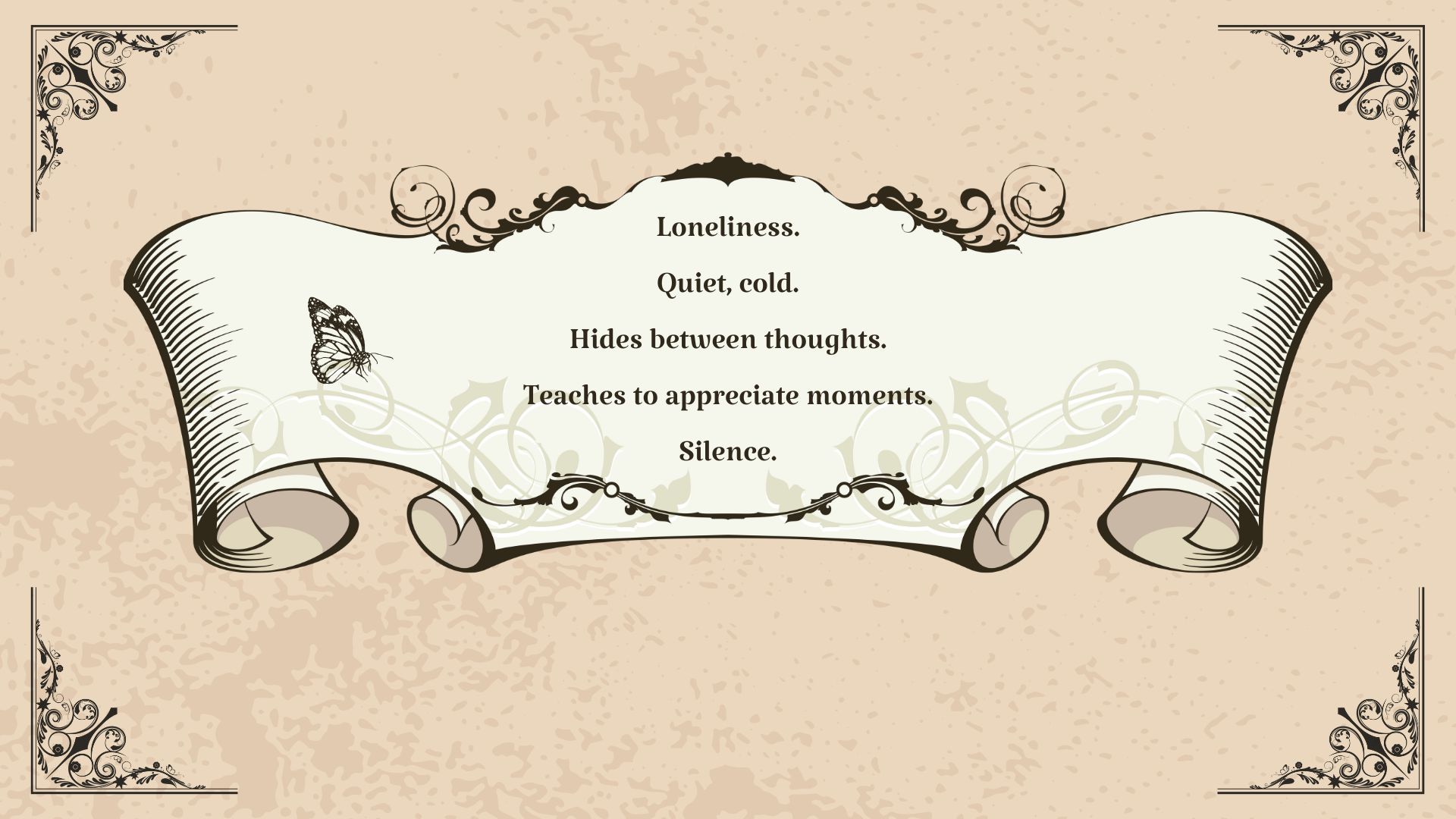
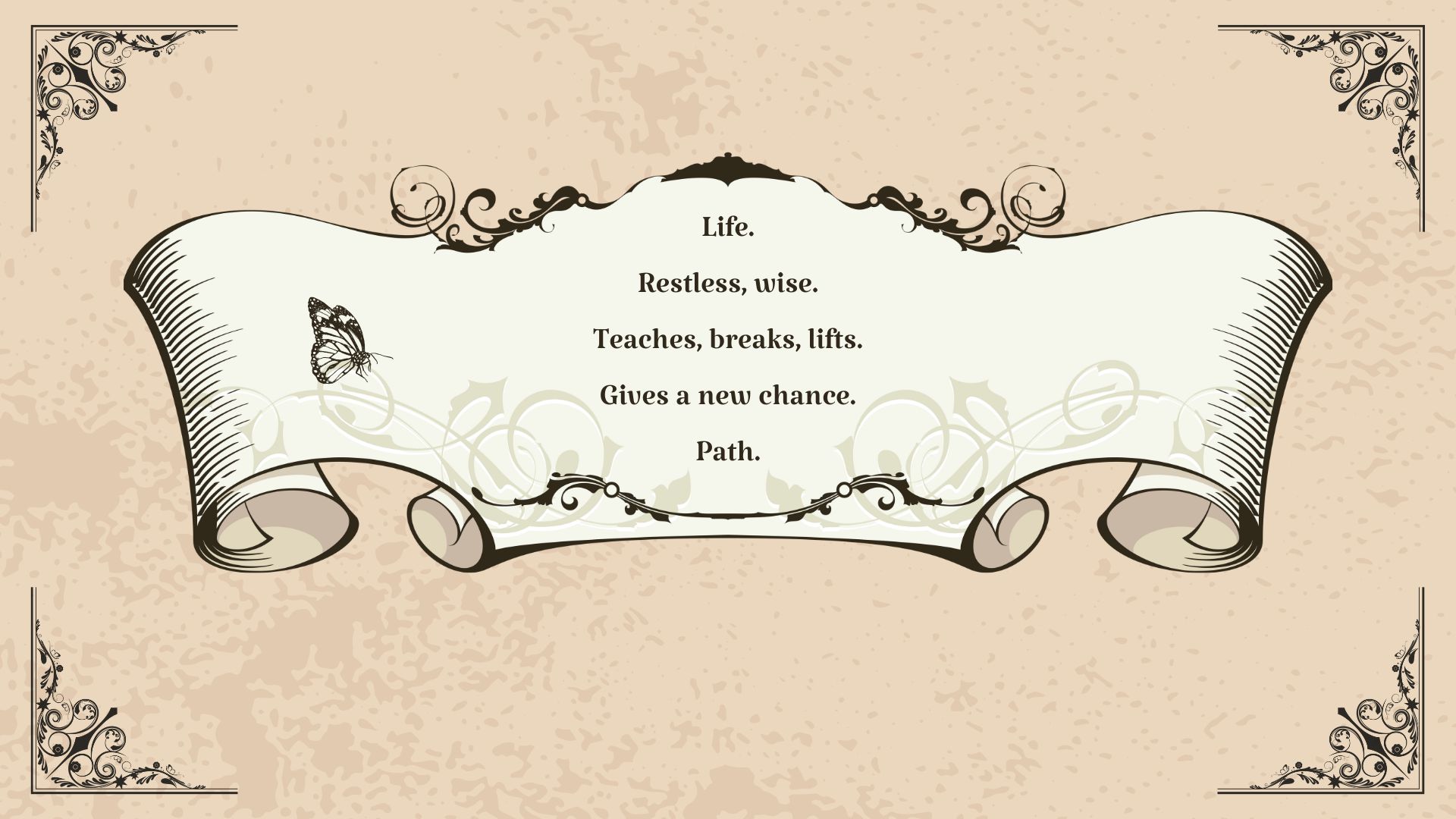
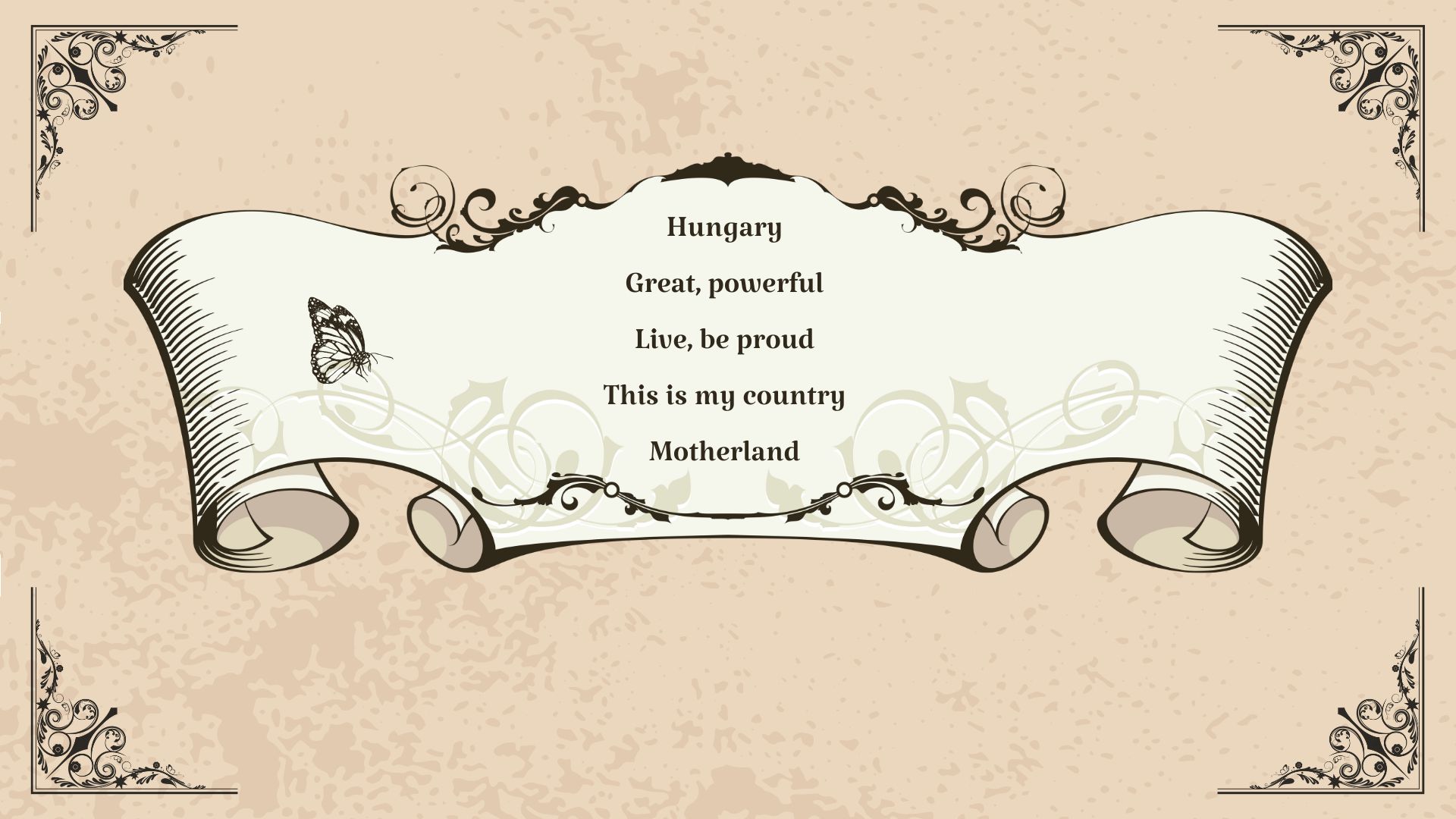
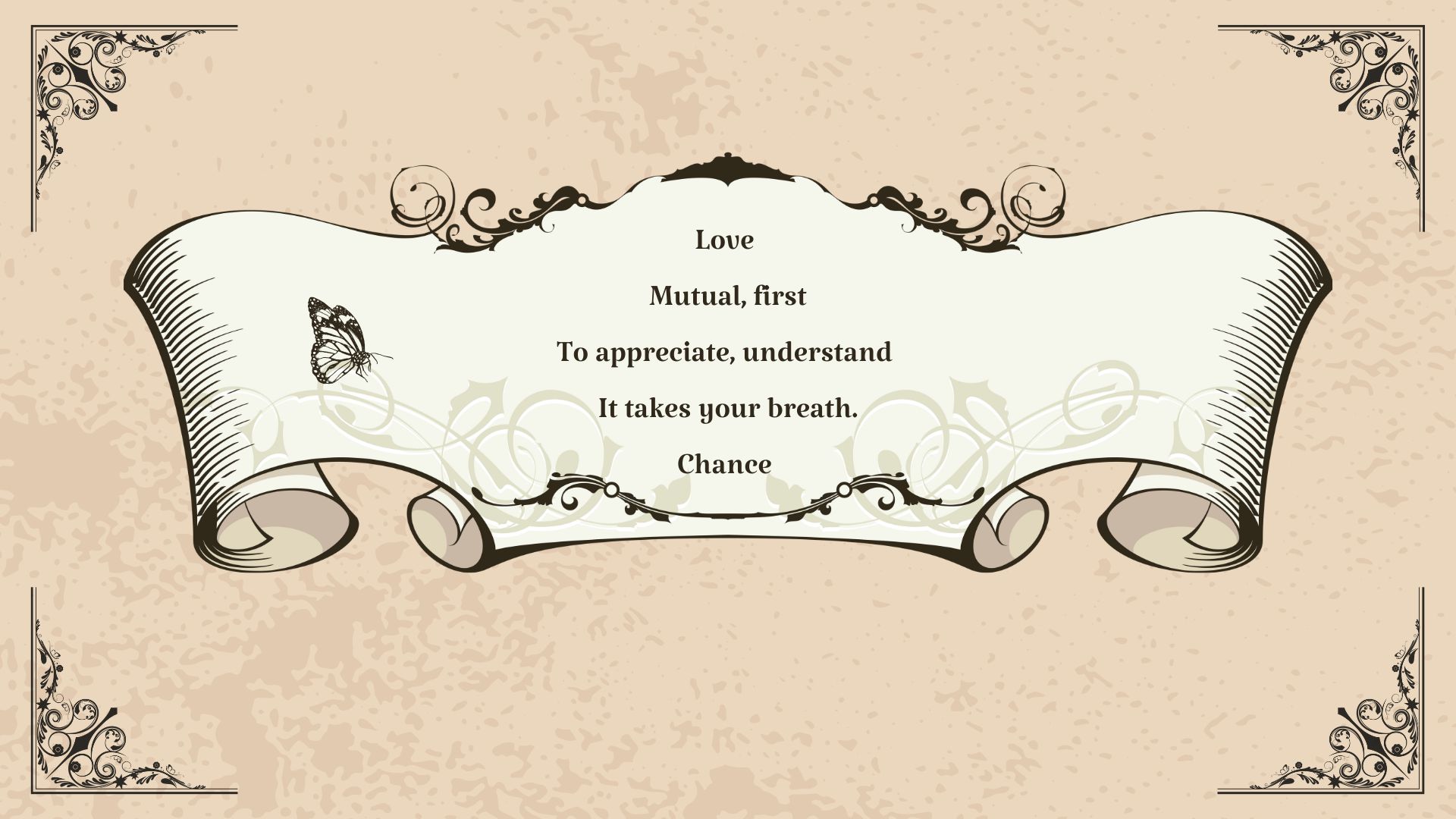
- One word – the topic.
- Two words – adjectives.
- Three words – actions.
- Four words – a phrase expressing meaning.
- One word – summary or synonym.
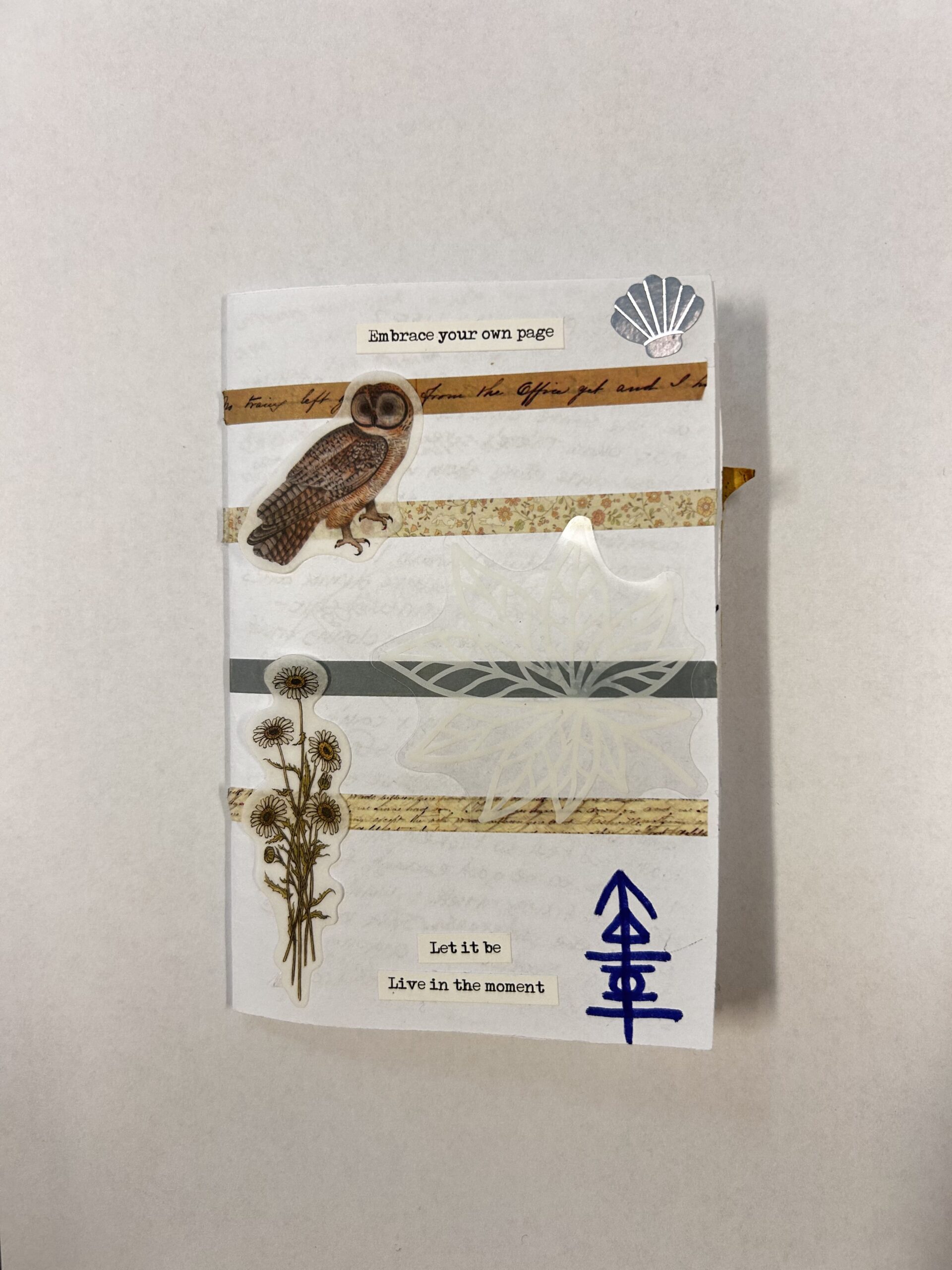
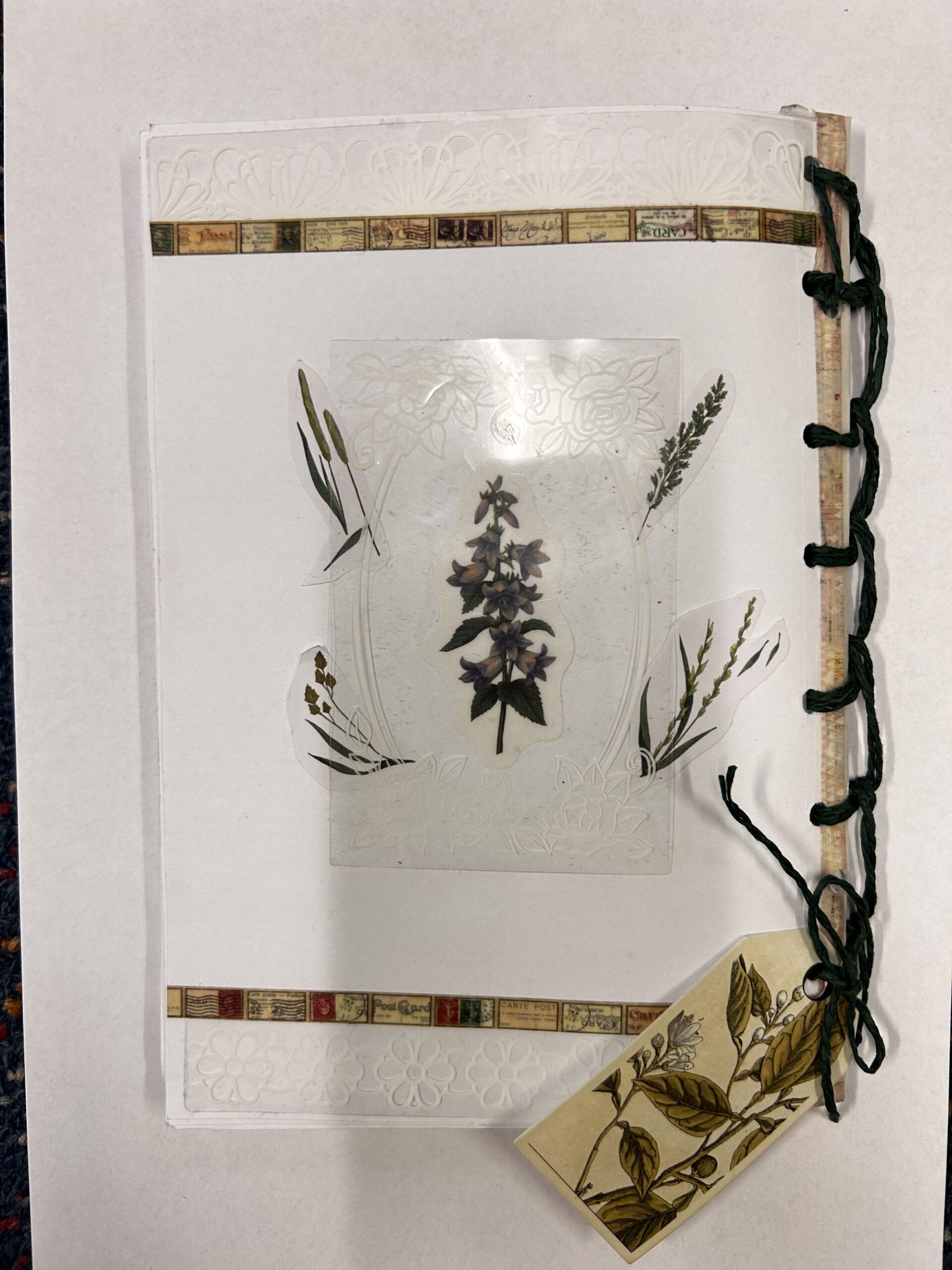
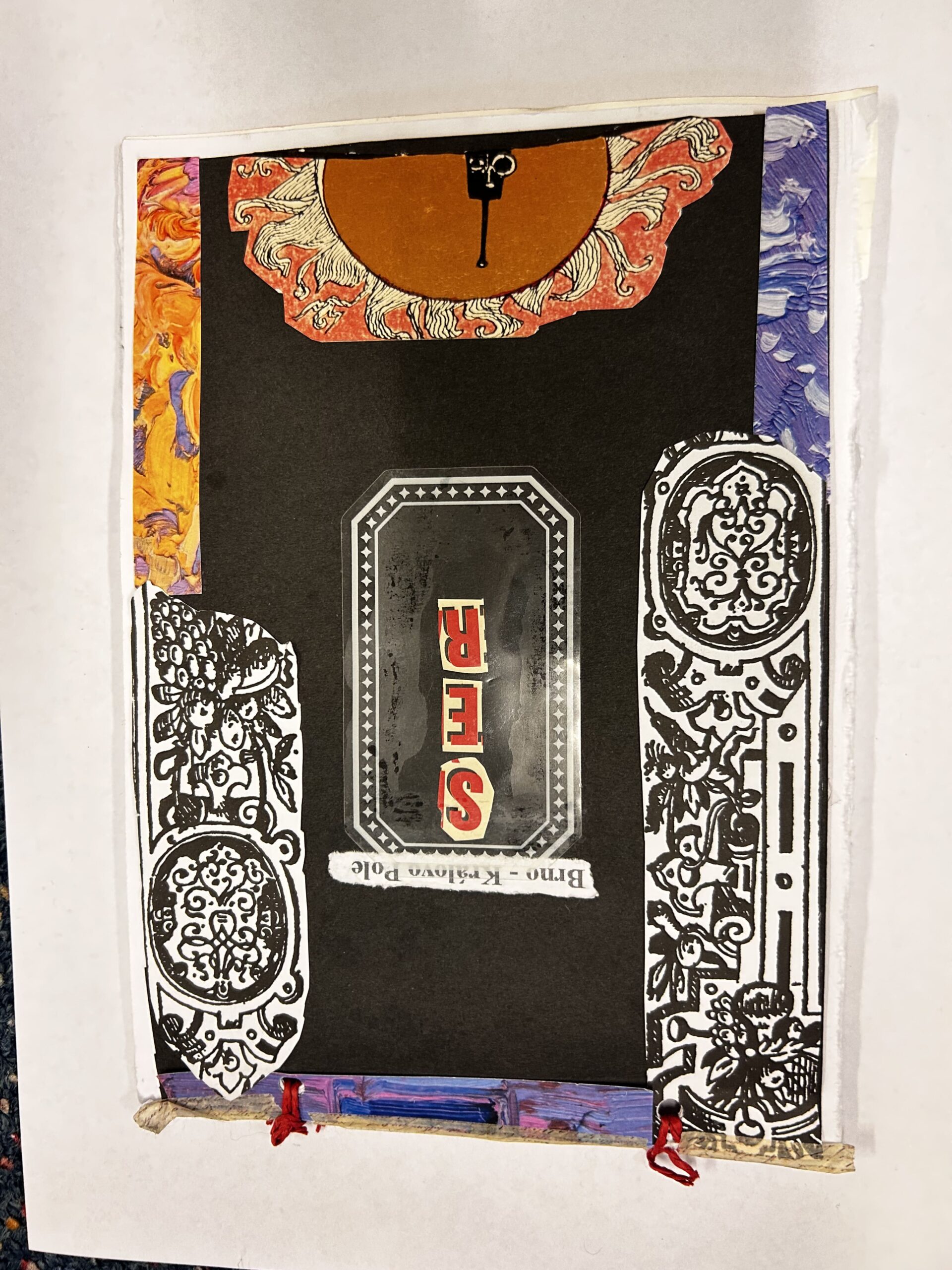
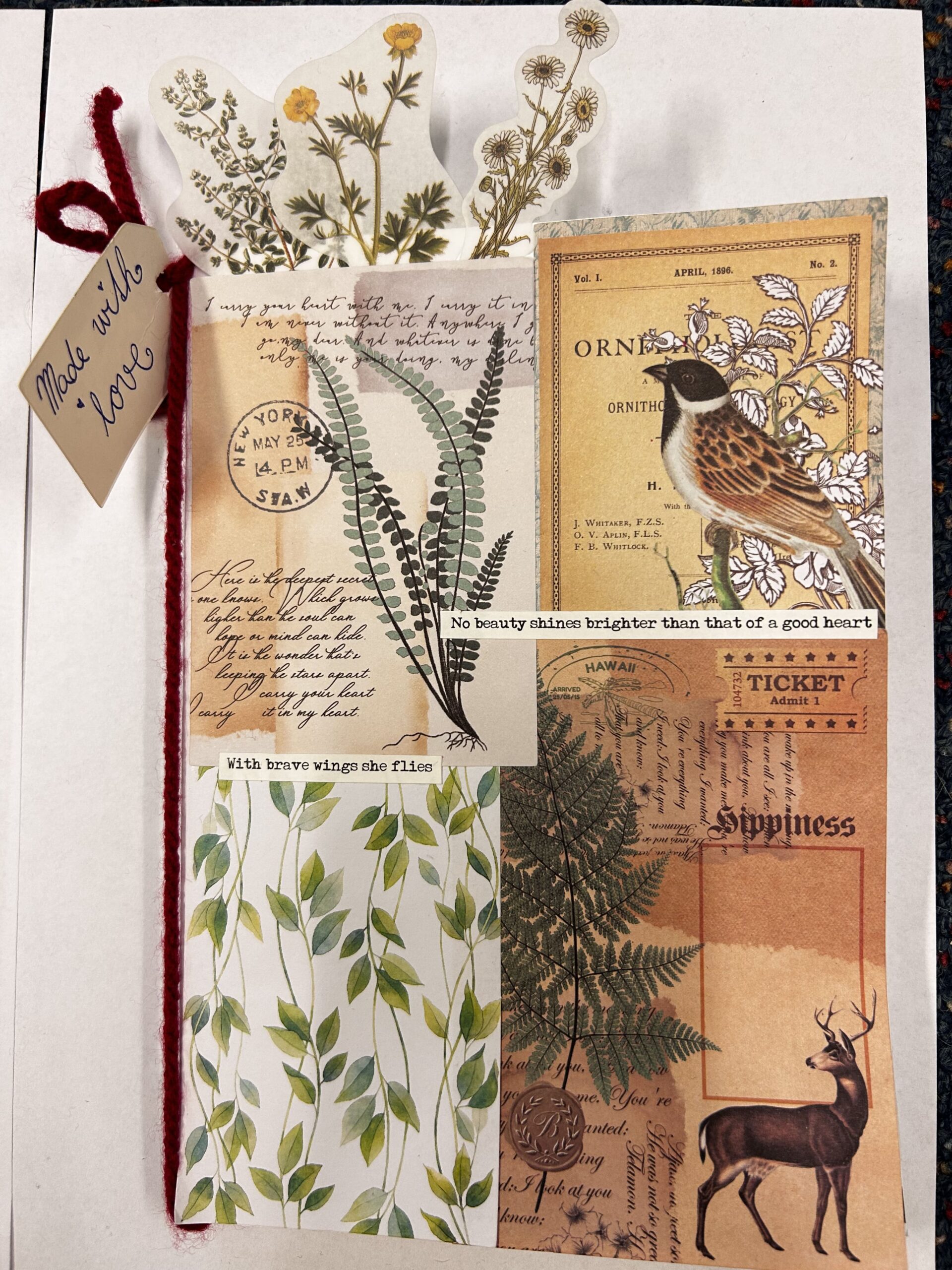
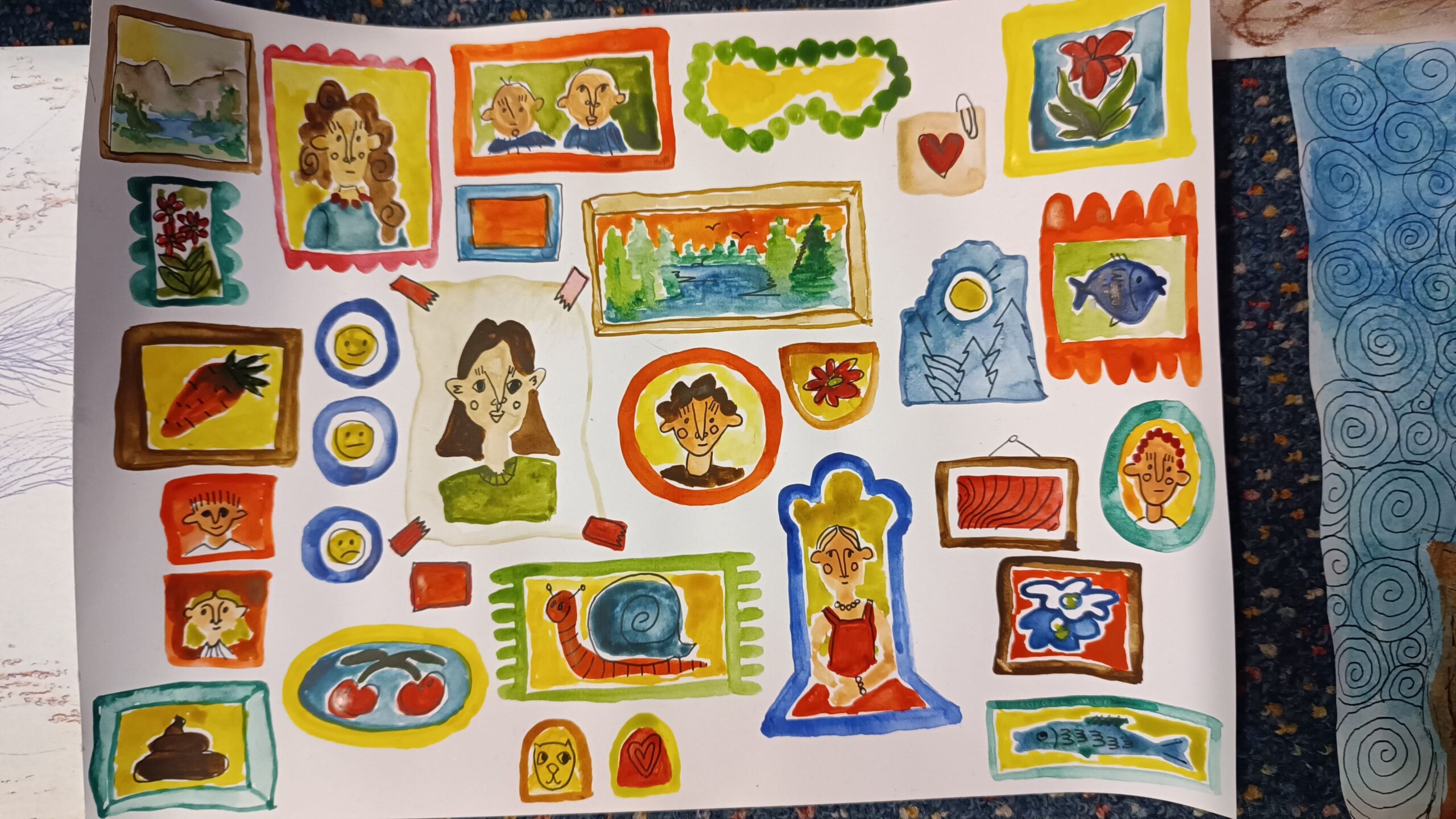
See examples on pictures
- Was it easier to express emotions through a character or directly?
- How did your emotional state change during the process?
- What surprised you in your own writing?
Participants’ testimonials
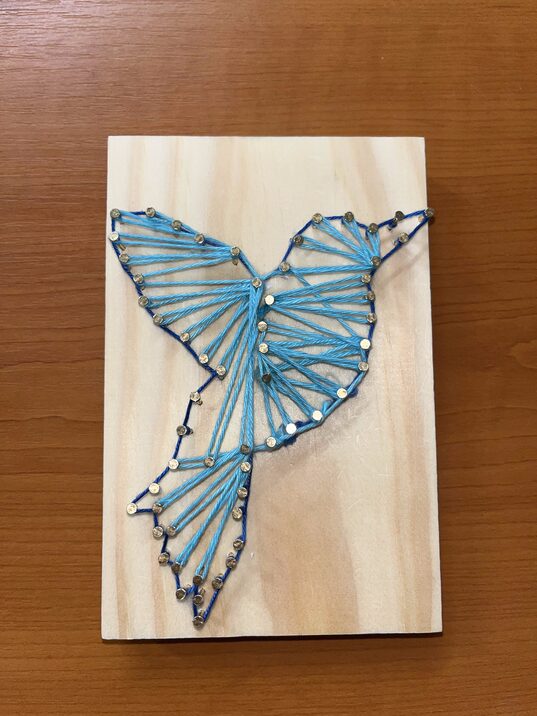
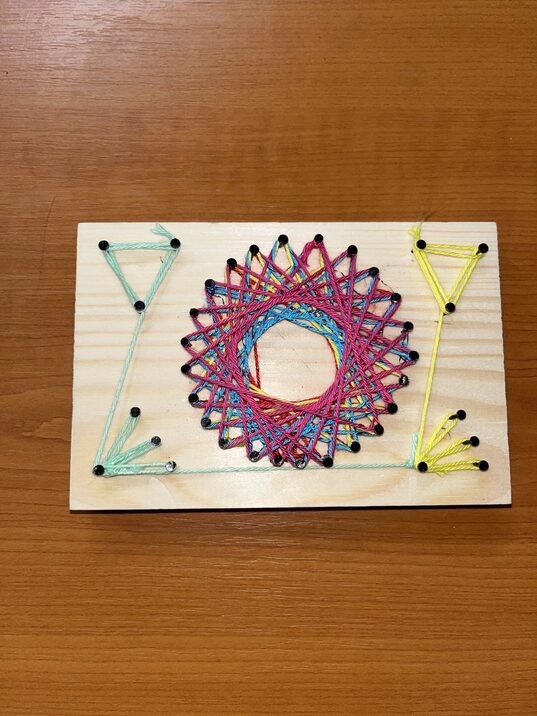
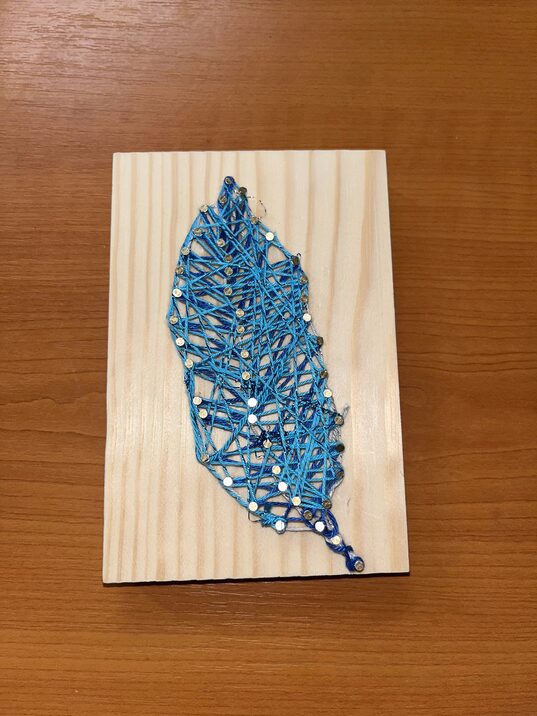
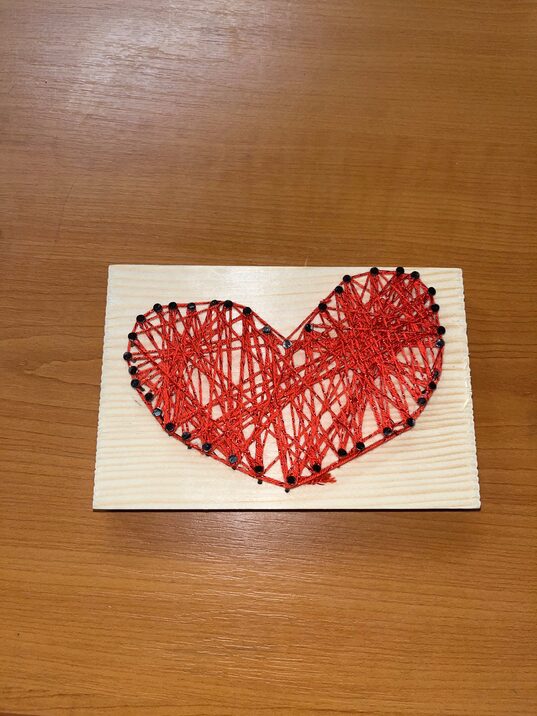
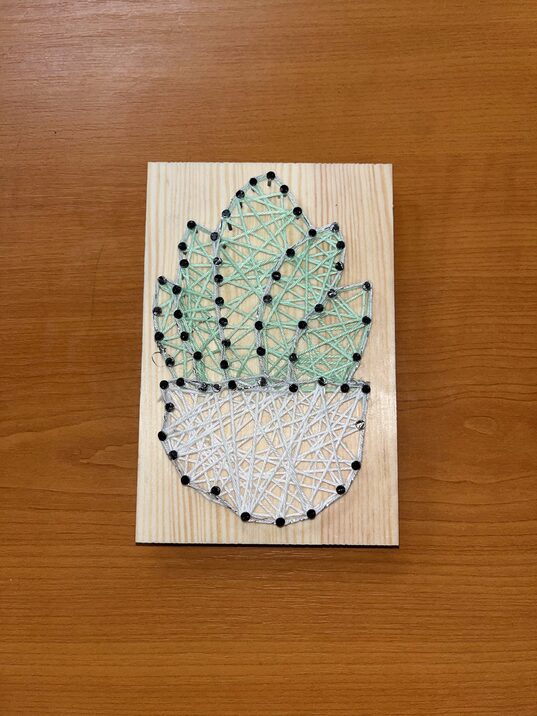
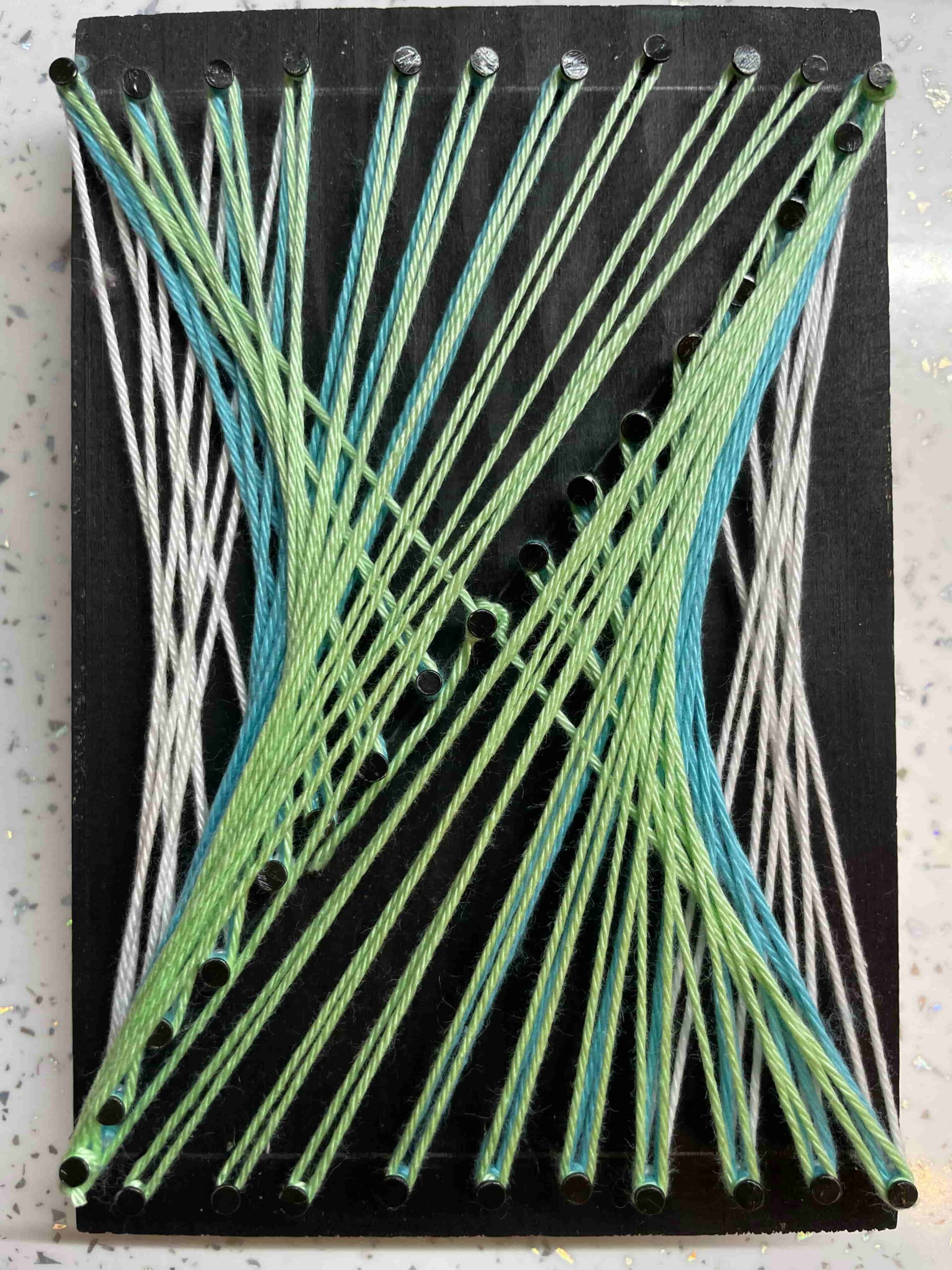
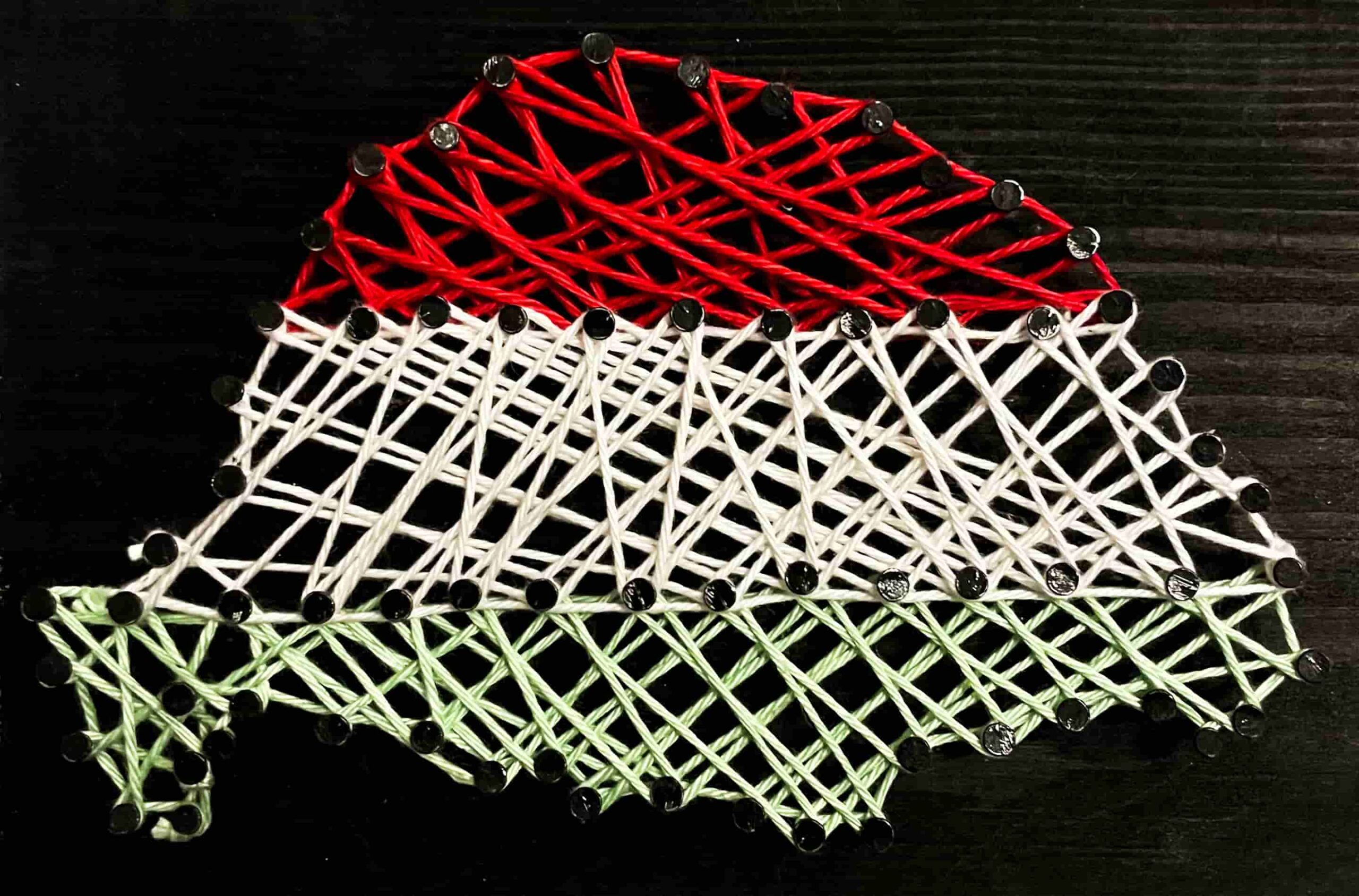
Threading emotions
- Wooden boards
- Small nails
- Hammers
- Colourful threads or yarns
- Pencils for marking points
- Table covers (to protect surfaces and reduce noise)
- Small containers for nails
- Scissors
- Gloves (optional, for comfort and safety)
- Choose a simple shape and lightly mark nail points on the board with a pencil.
- Place the board flat on the table. Hold the nail near the top. Tap gently until the nail stands. Hammer deeper, leaving the head above the wood.
- Keep nails about one finger apart.
- If a nail bends, remove it and try again.
- Work slowly and without rushing.
- Start with one colour, add more if desired.
- Follow emotional intuition rather than fixed patterns.
- Use colour and tension to express mood and inner state.
- What moment of the process felt most calming for you?
- How did working with your hands affect your emotions?
- What do the colours and patterns say about your inner state?
- Was it easy or difficult to slow down and focus?
Participants’ testimonials
Film Production (group activity)
- Cameras, tripods, laptops/computers, projector
- Optional microphones (or phones used for audio)
- Software: CapCut or WeVideo, Audacity, optional Stop Motion app
Shoot short clips around those topics:
- Close-Up Emotion. Film a close-up of a person showing a clear emotion (e.g. surprise, confusion, pride). Focus on facial expression and detail.
- Wide Shot / Establishing Shot. Capture a wide shot that clearly shows the environment and where the scene takes place. Make the location “tell part of the story.”
- Camera Movement (Pan or Tilt). Create a smooth camera movement: Pan (left/right) or Tilt (up/down). Follow a person or reveal something.
- Dutch Angle (Tilted Frame). Film a shot where the camera is intentionally tilted. Use it to create tension, unease, or humor.
- Over-the-Shoulder Shot. Film a short interaction using an over-theshoulder perspective. Show a conversation or someone observing something.
- Point of View (POV) Shot. Film from a character’s perspective. What do they see? Make the viewer “be” the character.
- Creative Framing. Frame your subject through something (e.g. doorway, window, objects). Add depth and make the shot visually interesting.
- Light Experiment. Shoot the same subject using two different lighting conditions. Bright / natural light and shadow / low light. Compare the mood.
- Match Cut / Action Continuity. Film a simple action (e.g. sitting down, opening a door) from two angles and cut them together smoothly. Make the movement feel continuous.
- Sound Matters. Record a short clip where sound is important (dialogue, ambient sound, or effect). Try to make the audio clear and intentional.
- What emotions came up while being on camera or watching yourself on screen?
- Did anything surprise you about your own reactions?
- How did your group work together?
- What helped your team collaborate well?
- What new skills or techniques did you learn today?
Participants’ testimonials
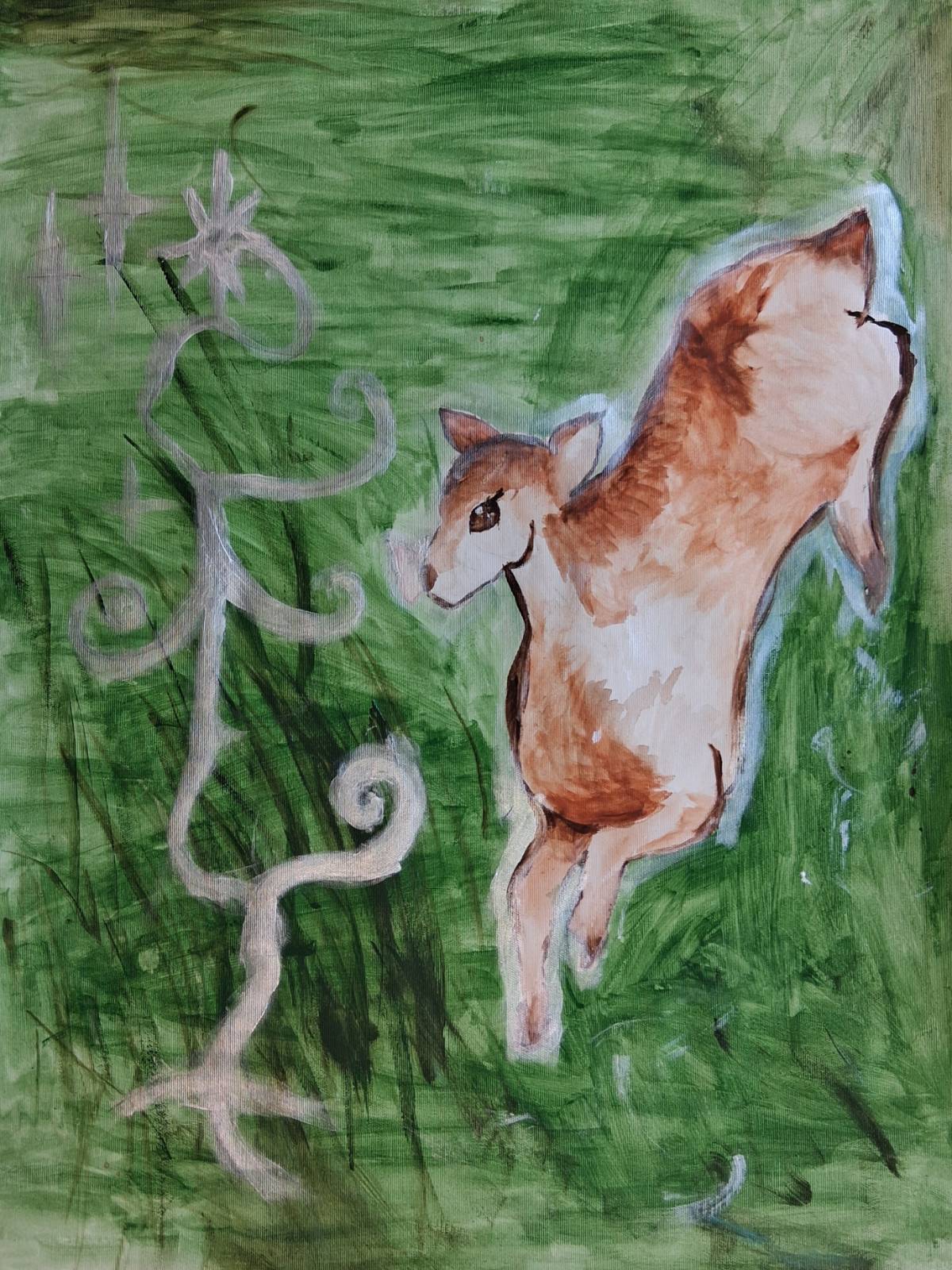
Threading emotions
- Canvas rolls (unframed, to cut to individual formats)
- Drawing blocks / sketchbooks for each participant
- Acrylic paint
- Watercolor
- Copic markers or similar alcohol-based colour markers
- Assorted brushes (various sizes and types for different styles)
- Pencils, pens, possibly crayons
- Paper / scrap canvas pieces for testing colours and brushes
- Access to a computer/phone only for image references
- Cleaning materials: water, cloths/paper towels, protection for tables/floors
1) Use sketchbook with a prompt: “What important moments or feelings from your life come to mind?”
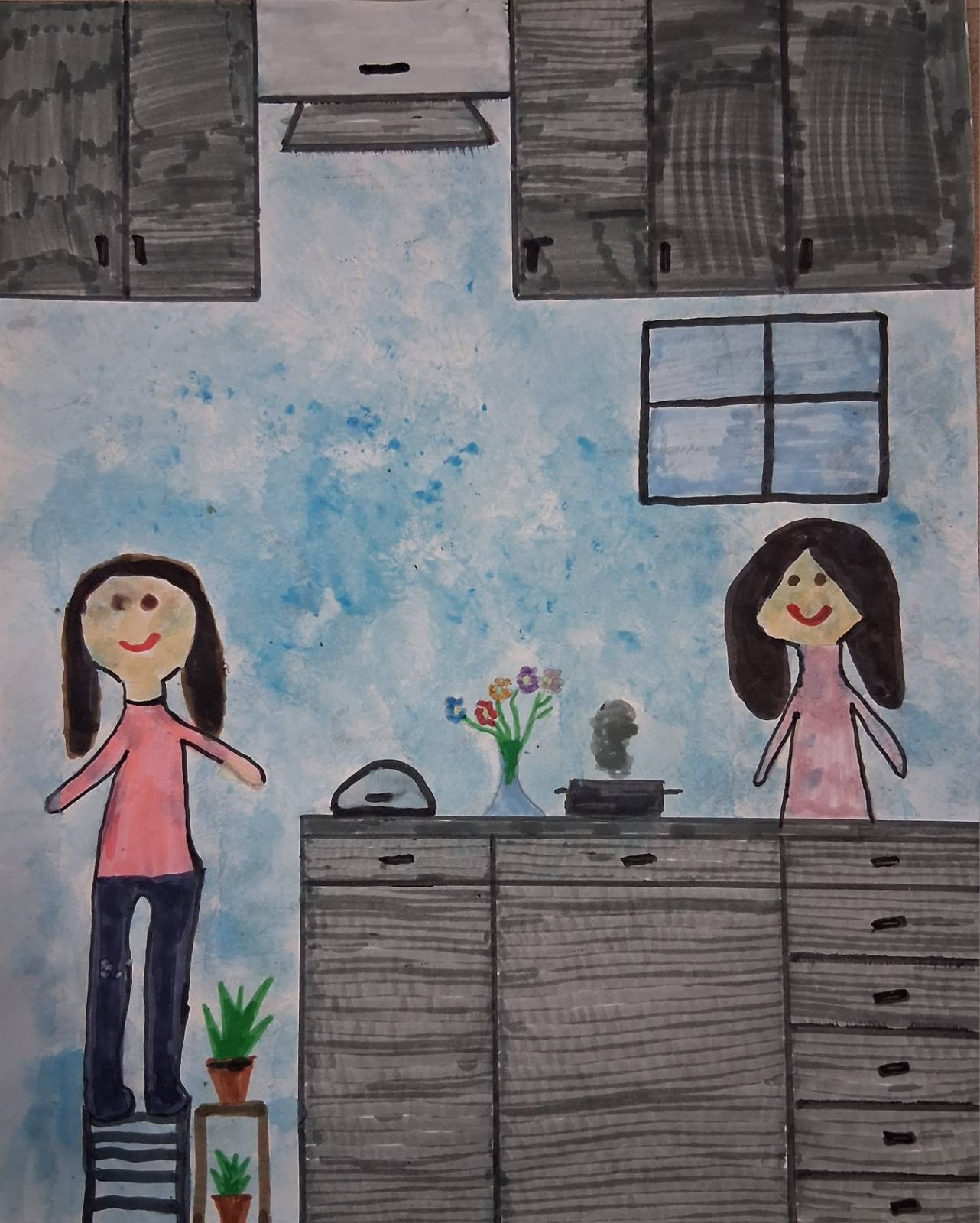
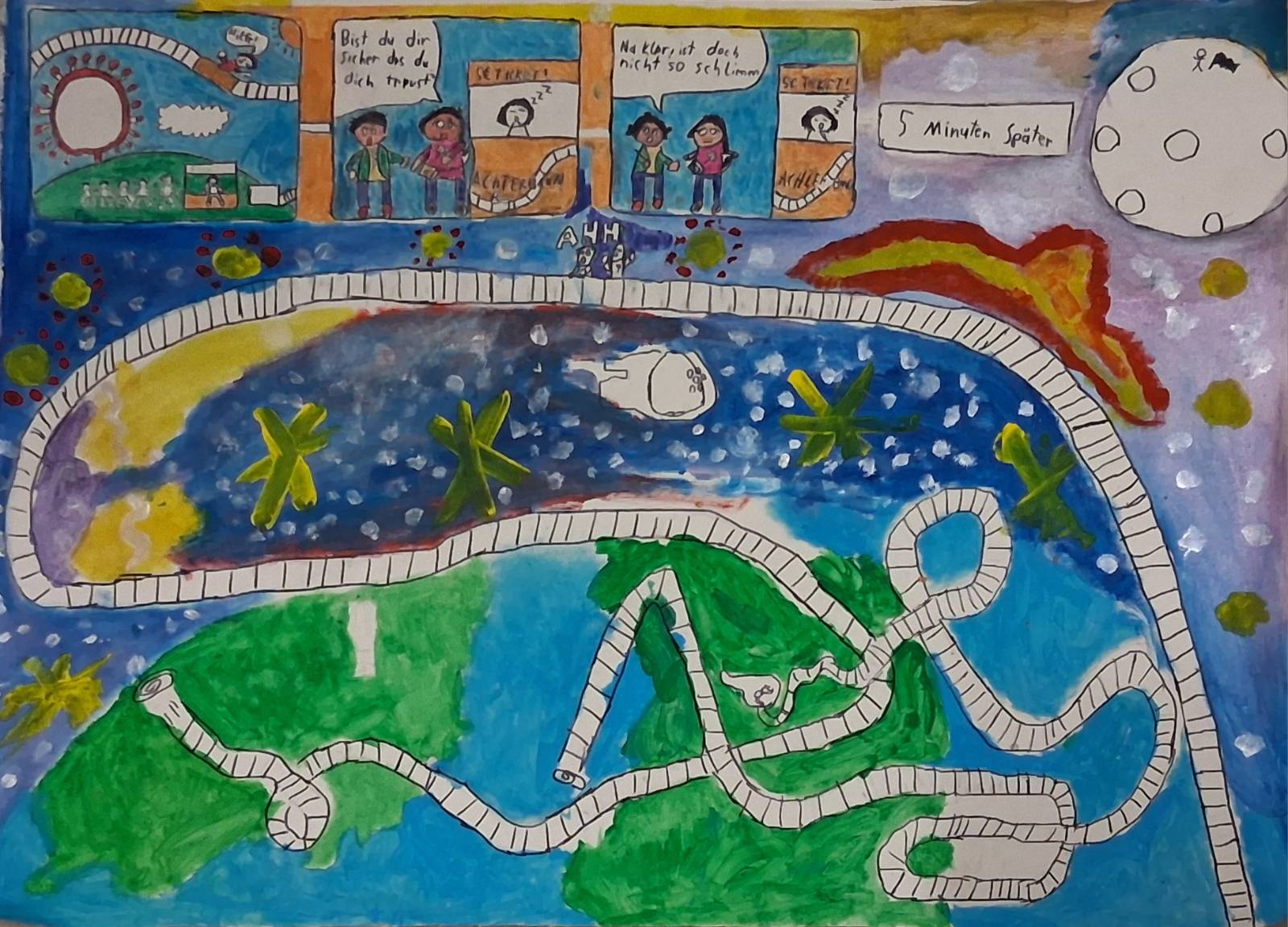
- Think BIG (migration, separation, moving countries),
- and SMALL, daily (roller coaster, cooking with mom, feeling tired).
2) Narrow it down. Picks around 3 ideas and answer:
- “What do you want people to understand about you from this story?”
- “How did you feel, and how could we show that?”
3) Choose one main story
- Chooses one experience/emotion to build visual work around.
Make small sketches / thumbnails:
- What elements to show?
- From which angle?
- One big picture or several panels?
Move to canvas / final format. Choose:
- Canvas size and format.
- Medium (markers, paint, or a mix).
Tips:
- Paint / draw, test colors on scrap canvas, adjust as you go.
- Problem-solving questions: “What could you add/change to show the feeling better?”
- Experiment (paint with fingers, change composition…).
- “What was hard?”
- “What changed from your first idea to your final work?”
- “How did it feel to show a personal story this way?”
Participants’ testimonials
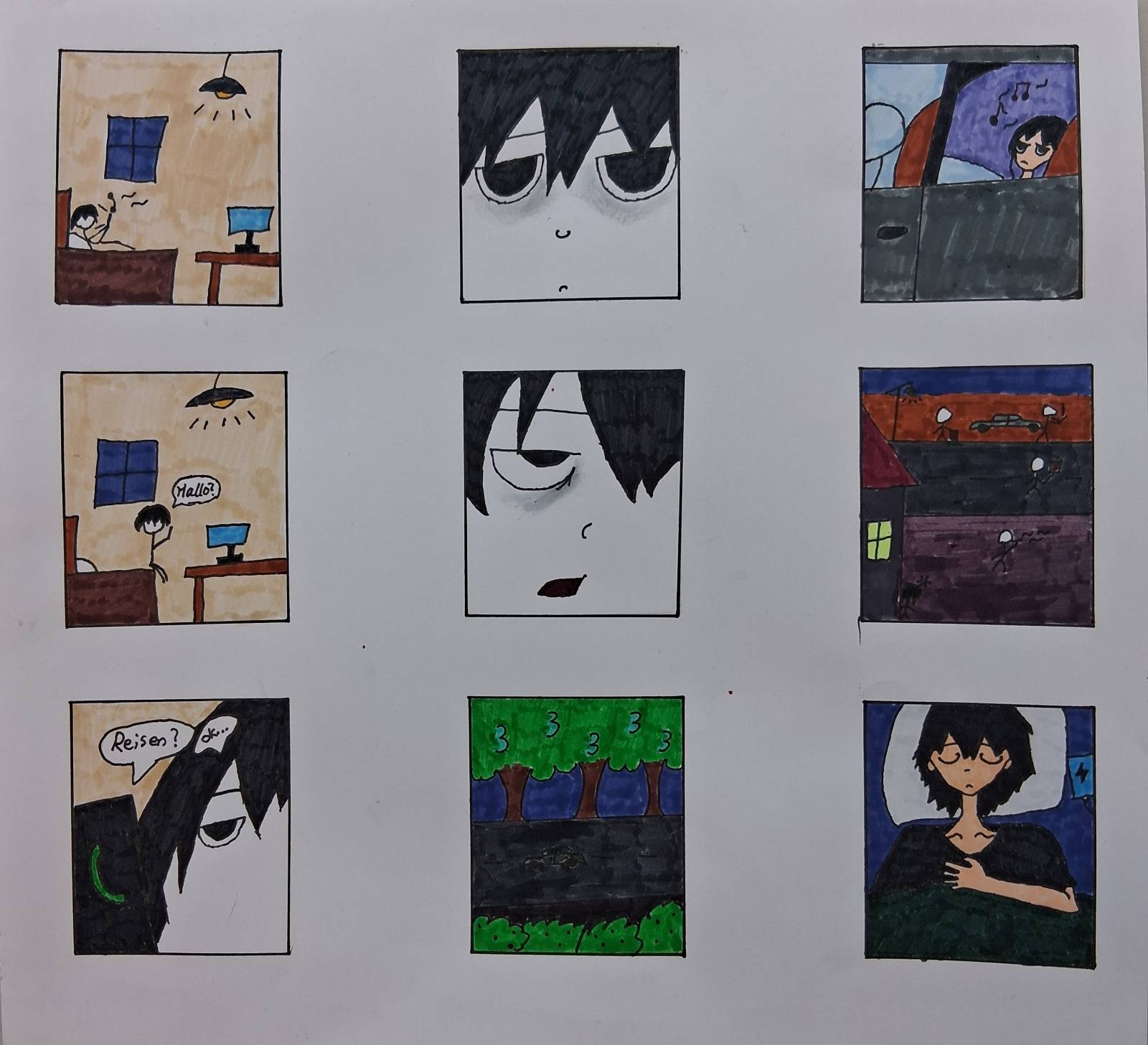
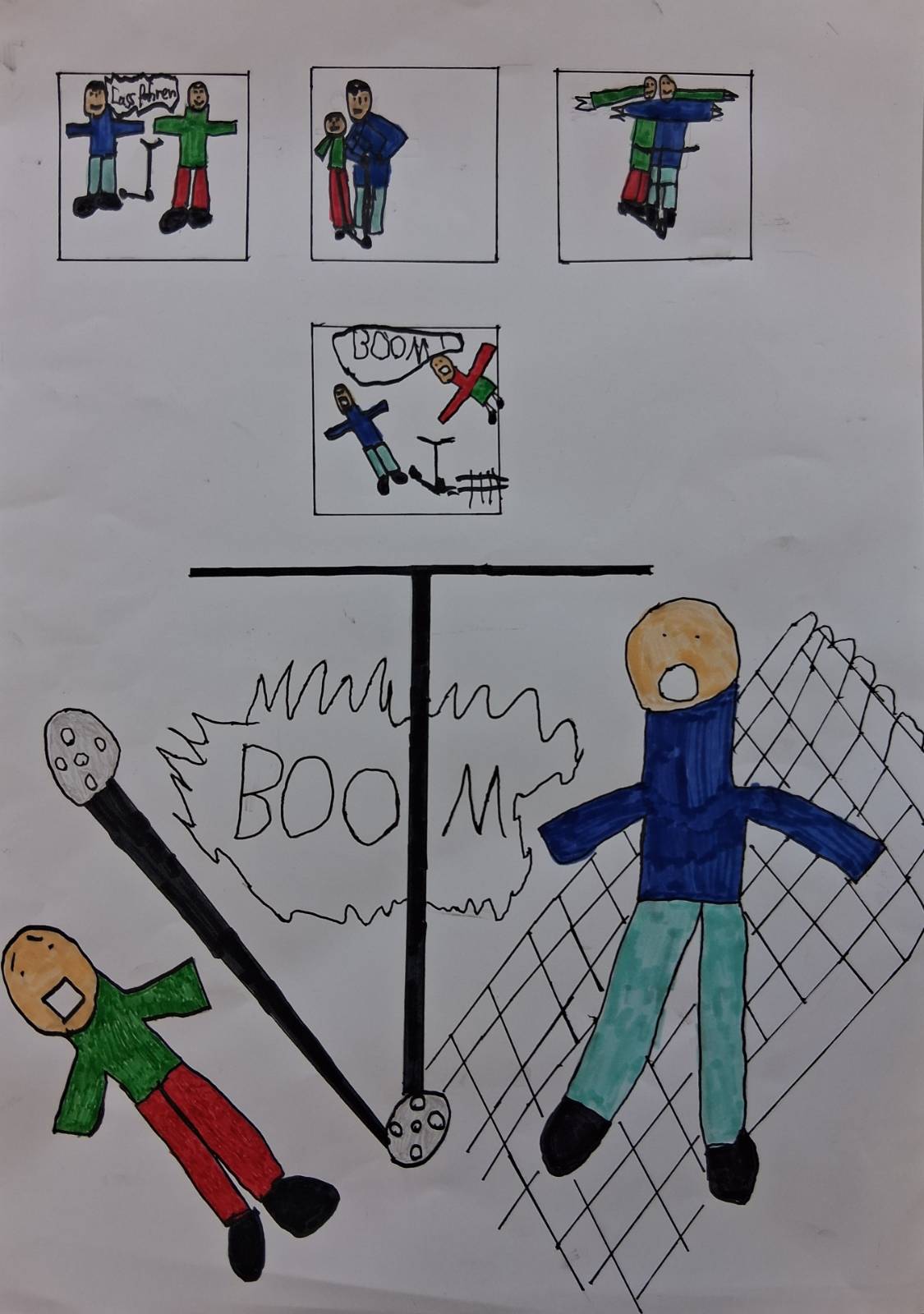
Animation: Your Story in Motion
- Small squared post-it blocks or small paper pads (for flipbooks)
- Pencils, pens, erasers
- Tablets or iPads
- A simple animation application suitable for hand-drawn animation (Stop motion studio, Flipaclip, Wicked.io, Alight motion)
- Sketchbooks or drawing pads
- Pens or markers
- Paper for storyboards
- Watch 12 principles of animation: https://www.youtube.com/watch?v=uDqjIdI4bF4
- Draw a sequence of images on successive pages so that flipping the pages creates the illusion of motion.
- Think of an animation that represents something about yourself.
- It can be realistic or completely abstract.
- It may represent a memory, a daily activity, a feeling, or a symbolic idea
- Before beginning the animation, create a simple storyboard. It helps to:
- plan the sequence of events
- visualize how the animation will unfold
- identify technical challenges before starting
- Begin creating your animations using a simple animation application.
- draw frames directly on the tablet,
- use reference images,
- experimenting with geometric shapes
- adjuste drawings frame by frame
Digital tools make the process accessible because you can easily:
- erase and redraw
- modify frames
- test their animation immediately
- What part of the process did you enjoy the most?
- What was the most challenging moment?
- Did your idea change while working on the animation? How?
- What did you learn about yourself through the process?
- How is this helping you to destress and relax?
Participants’ testimonials
Linocut workshop: personal symbols in print
- Presentation explaining relief printing and linocut
- Sketchbooks or drawing pads, papers
- Pencils or pens
- Linoleum plates
- Linocut carving tools (sets with different carving heads)
- Printing ink
- Rollers (brayers)
- Printing paper
- Ink palette or flat plate for preparing ink
- Palette or flat surface (to pull out the paint because you need to make it sticky before you use it)
- Printing paper
- Japanese hand press or similar pressure tool (optional but helpful)
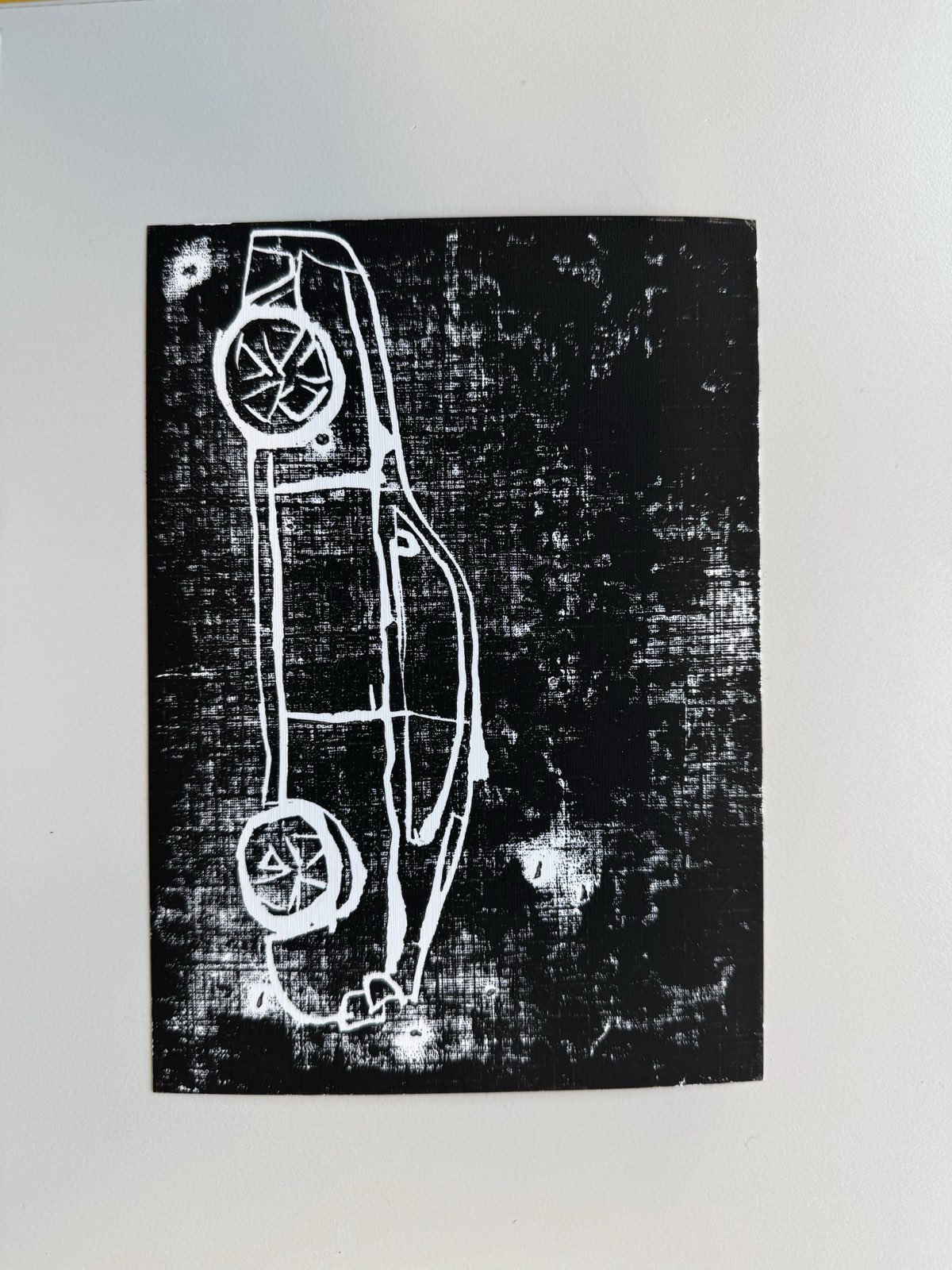
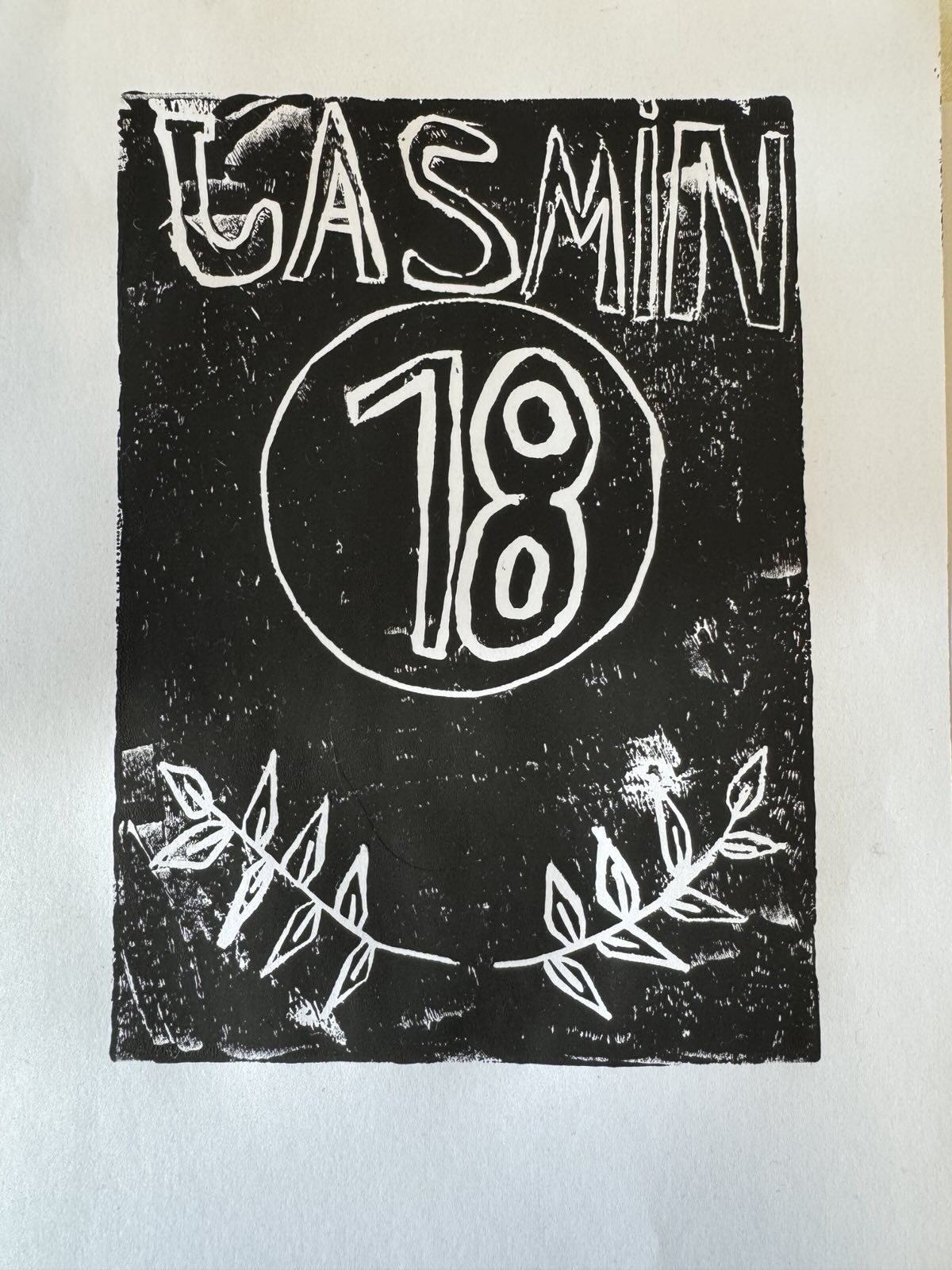
- draw a design on paper
- carve your designs into the linoleum plate (this requires patience and careful attention to the carving process)
Once carving is complete, prepare to print. The printing process includes:
- Rolling ink onto the carved plate
- Placing paper over the plate
- Applying pressure using a hand press or other tool
- Carefully revealing the print
- What idea did you choose and why?
- How did your design change during carving?
- What surprised you about the printing process?
- Did the final print look different from what you expected?
Participants’ testimonials
Journaling 101: Through Creativity to Well-Being
- Old notebooks or loose sheets of paper – to recycle old and only partially used notebooks.
- Magazines, coloured paper for collage
- Glue, scissors, markers, pens, watercolours.
- Frames, lots of different stickers, small photo printer (optional), colored paper tapes.
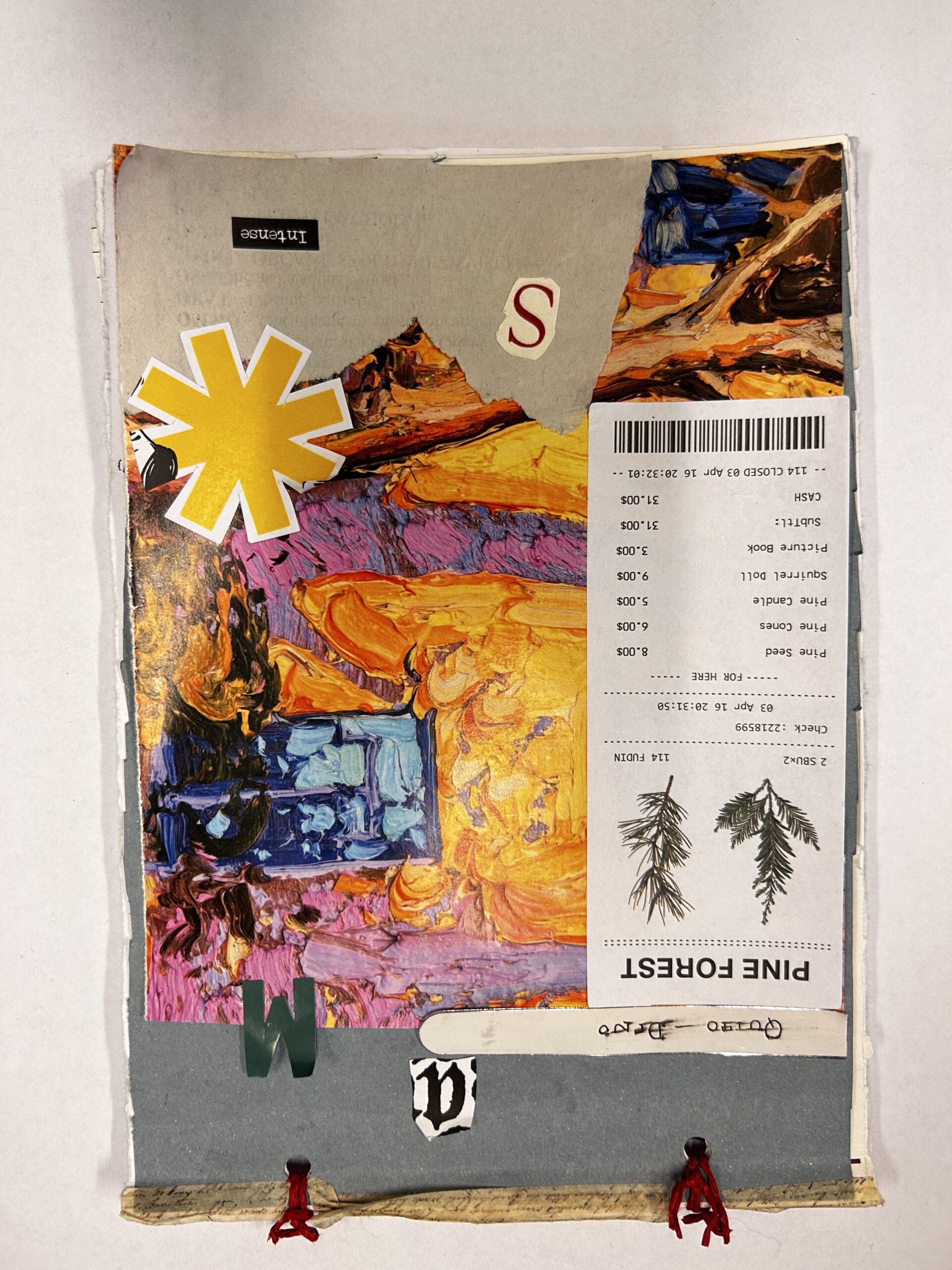
1. 8 minutes of free flow writing (your pen does not leave the paper) with the prompts: Where am I in life?
2. Use the Wheel of Well-being to map where you are in life (it is okay to do it differently according to what is beneficial for you)
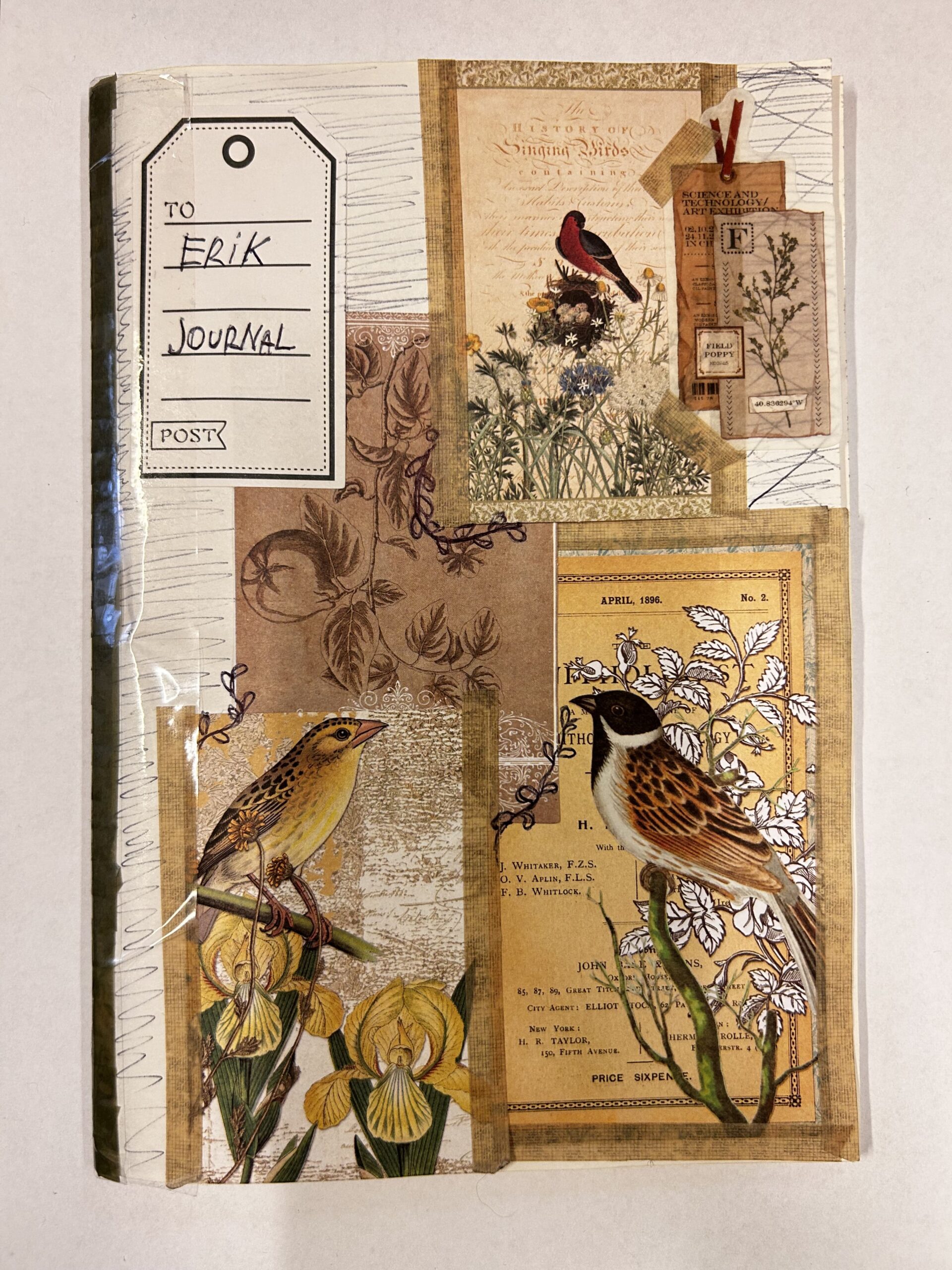
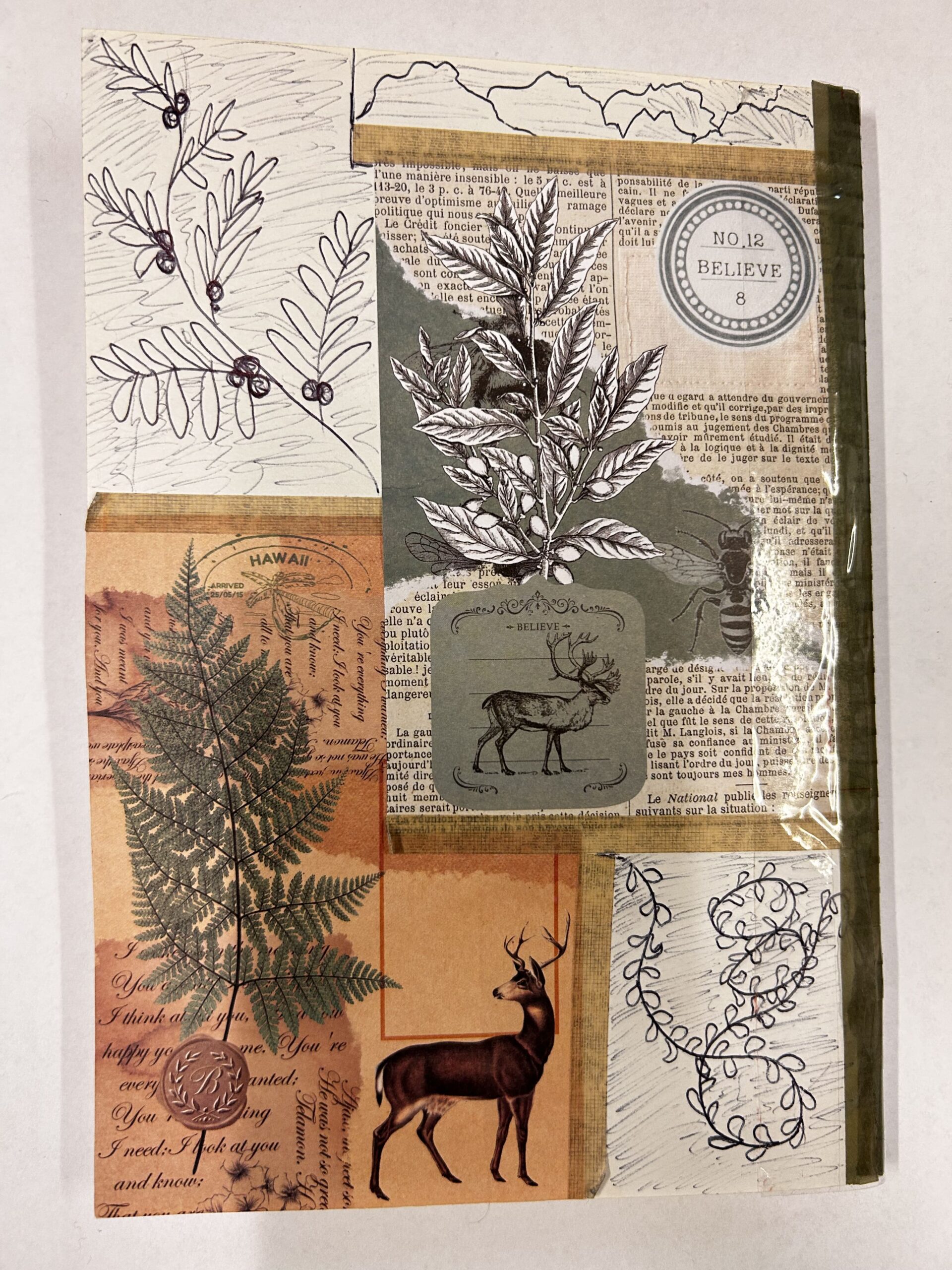
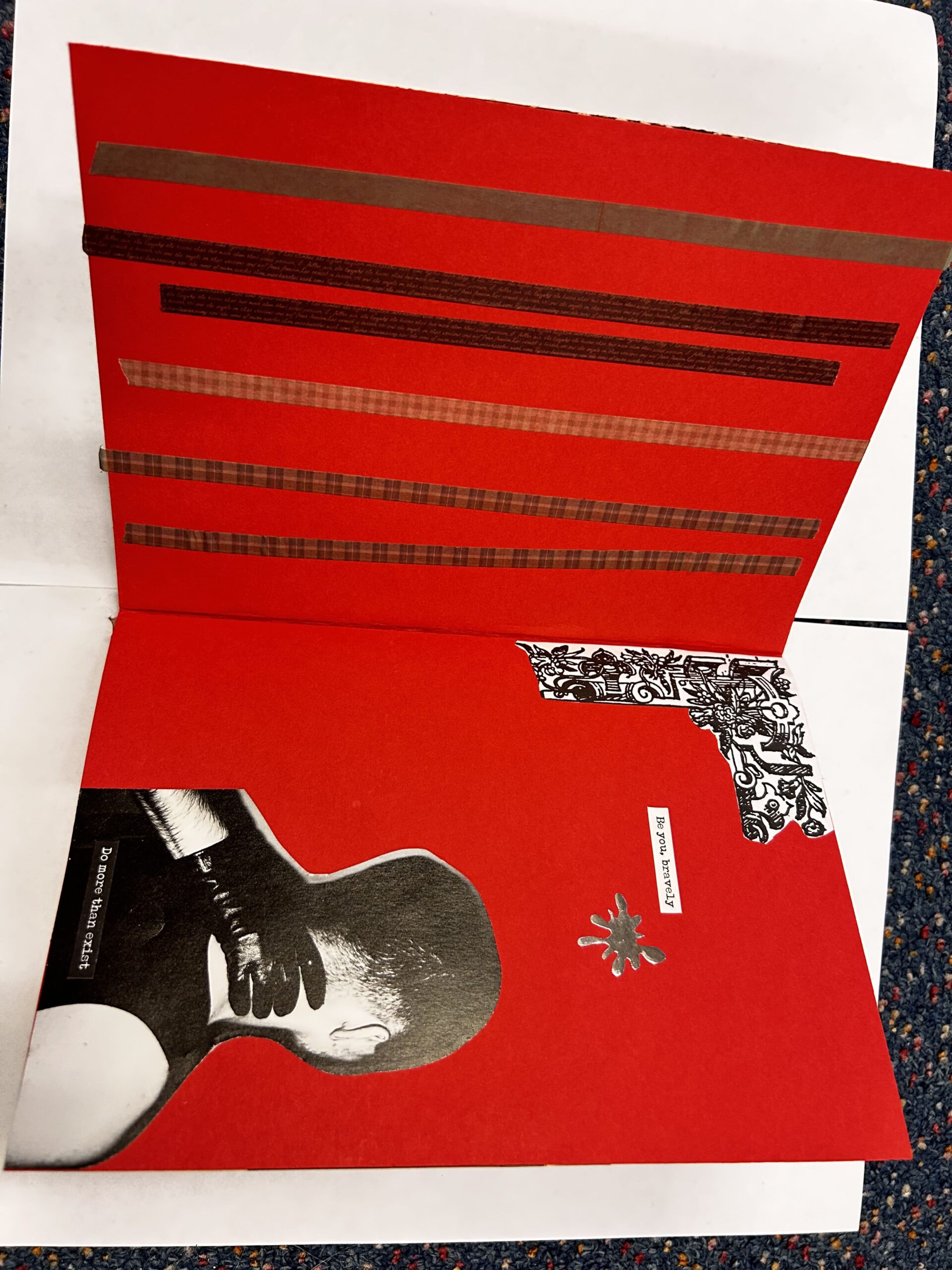
Using collage, painting, and scrap journaling, design your personal journal that reflects your coping strategies, dreams, and values. You may use any art materials
Answer following:
- What one habit from different types of journaling can I implement in my everyday life?
- What are my positive and negative coping strategies?
Write a kind and compassionate letter to your present self.
Create a 4 weeks plan for journaling or any well-being practice.
- What was easy and difficult for you?
- Which part of the activity felt most nourishing?
- What one insight or intention would you like to take into your everyday life?
Participants’ testimonials
Musical painting
- Any kind of papers and art medium (paint, pencils, markers…), variation is more than welcomed
- Brushes
- Music playlist (about 8-12 songs, depending on how long you want to have it – I recommend between 30 to 90 mins, different genres with different emotional energy – anger, sadness, hapiness, pride,…)
- Palletes
- Speaker
- Take a look at list of feelings (just for inspiration)
- Start drawing or painting while the music playlist plays. Let your emotions flow.
- If you want, choose a theme, but sometimes it is better without any theme at all, so it is purely based on your emotions, what your feel like creating at the moment.
- What feelings were appearing?
- How did you feel before/after the exercise?
- Could you do this regularly? Would it be helpful? How?
Participants’ testimonials
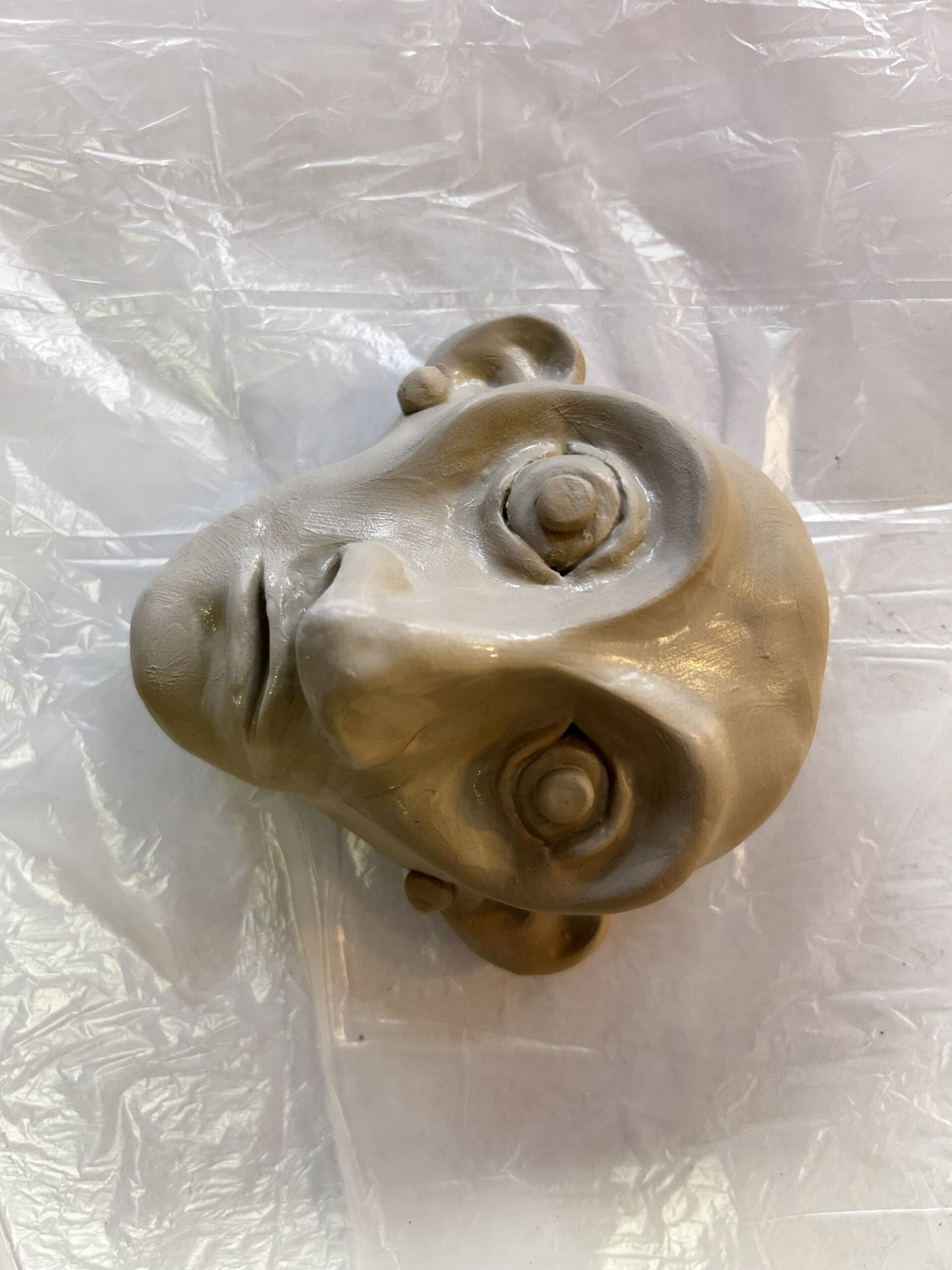
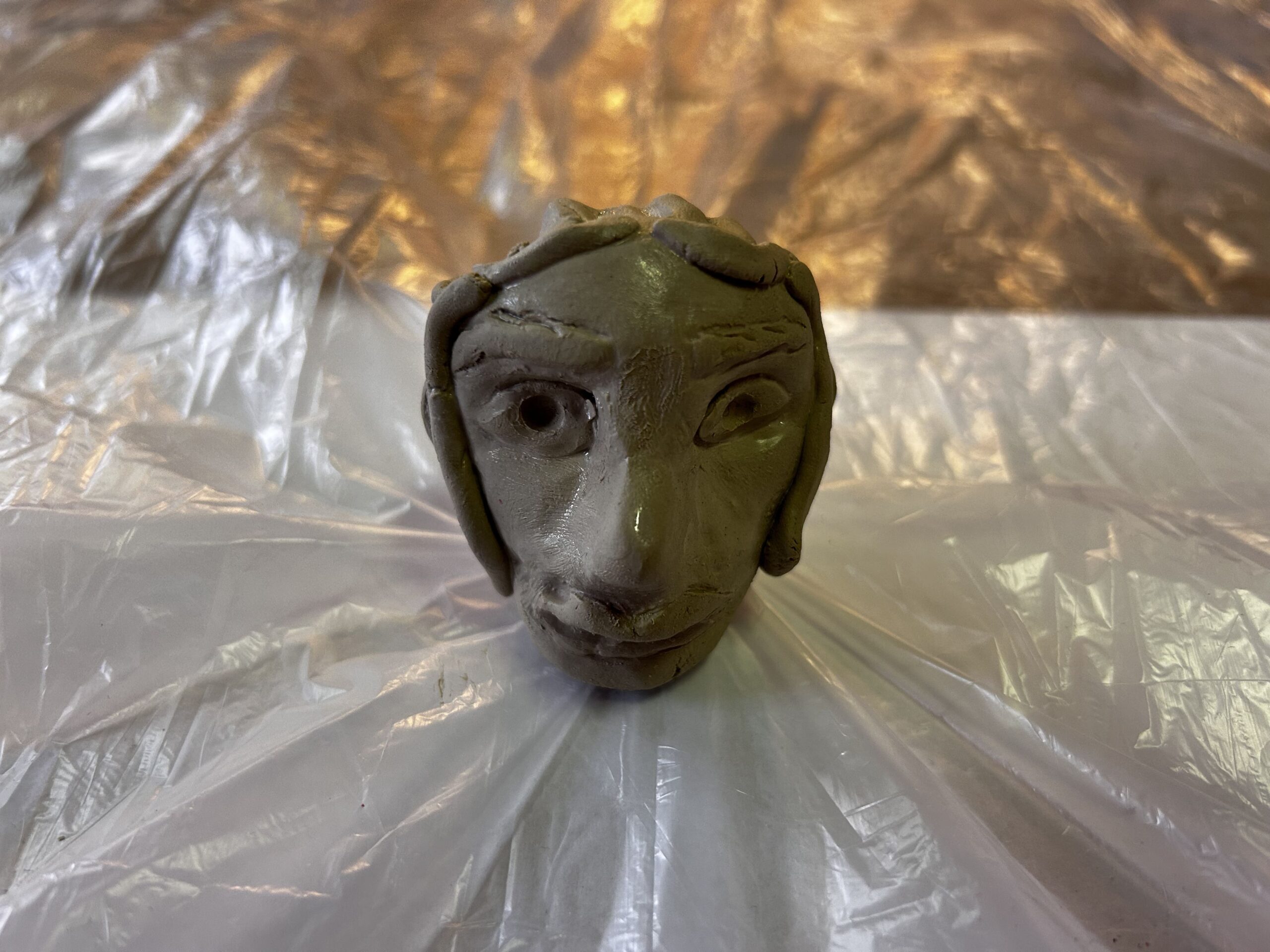
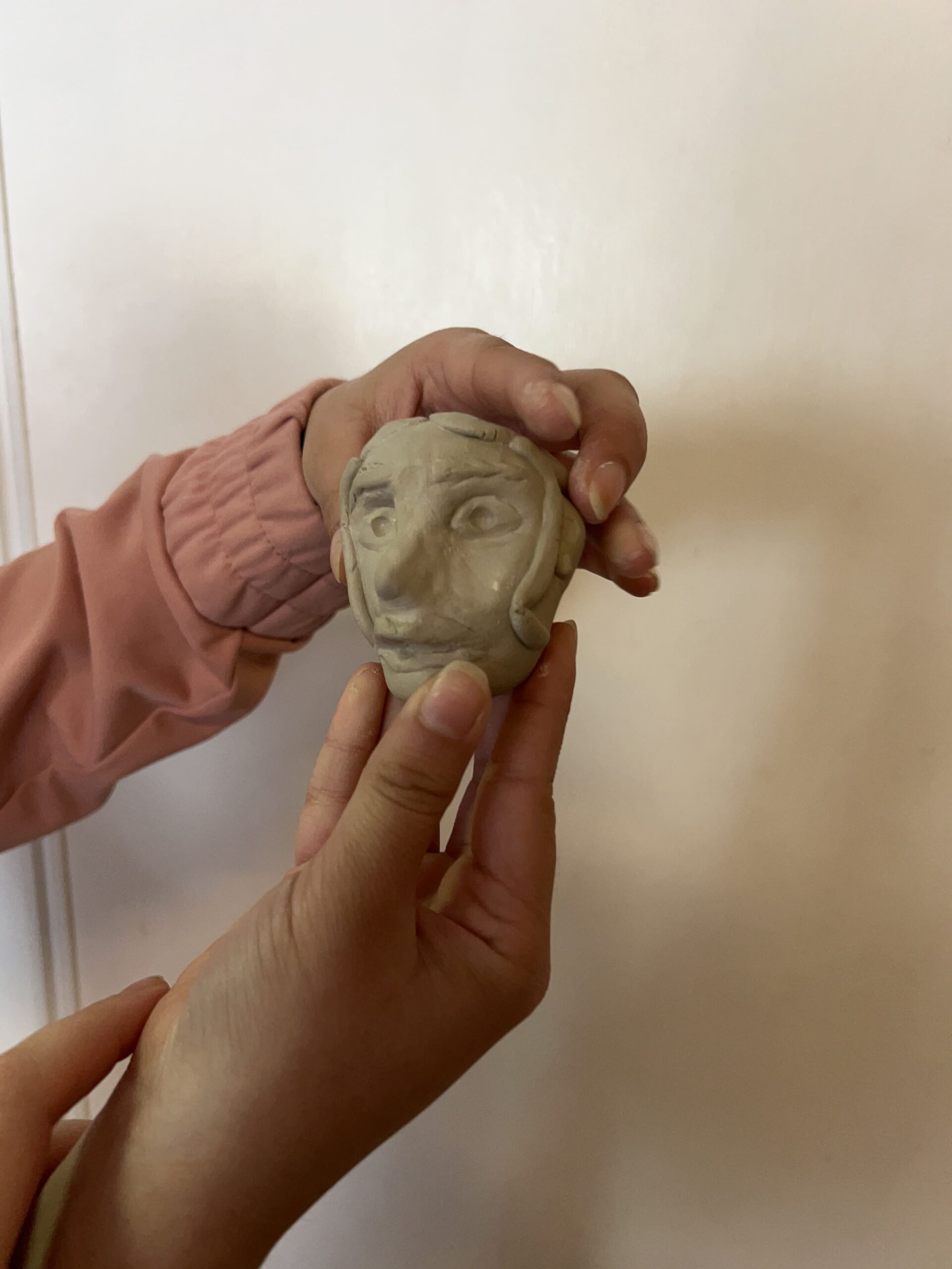
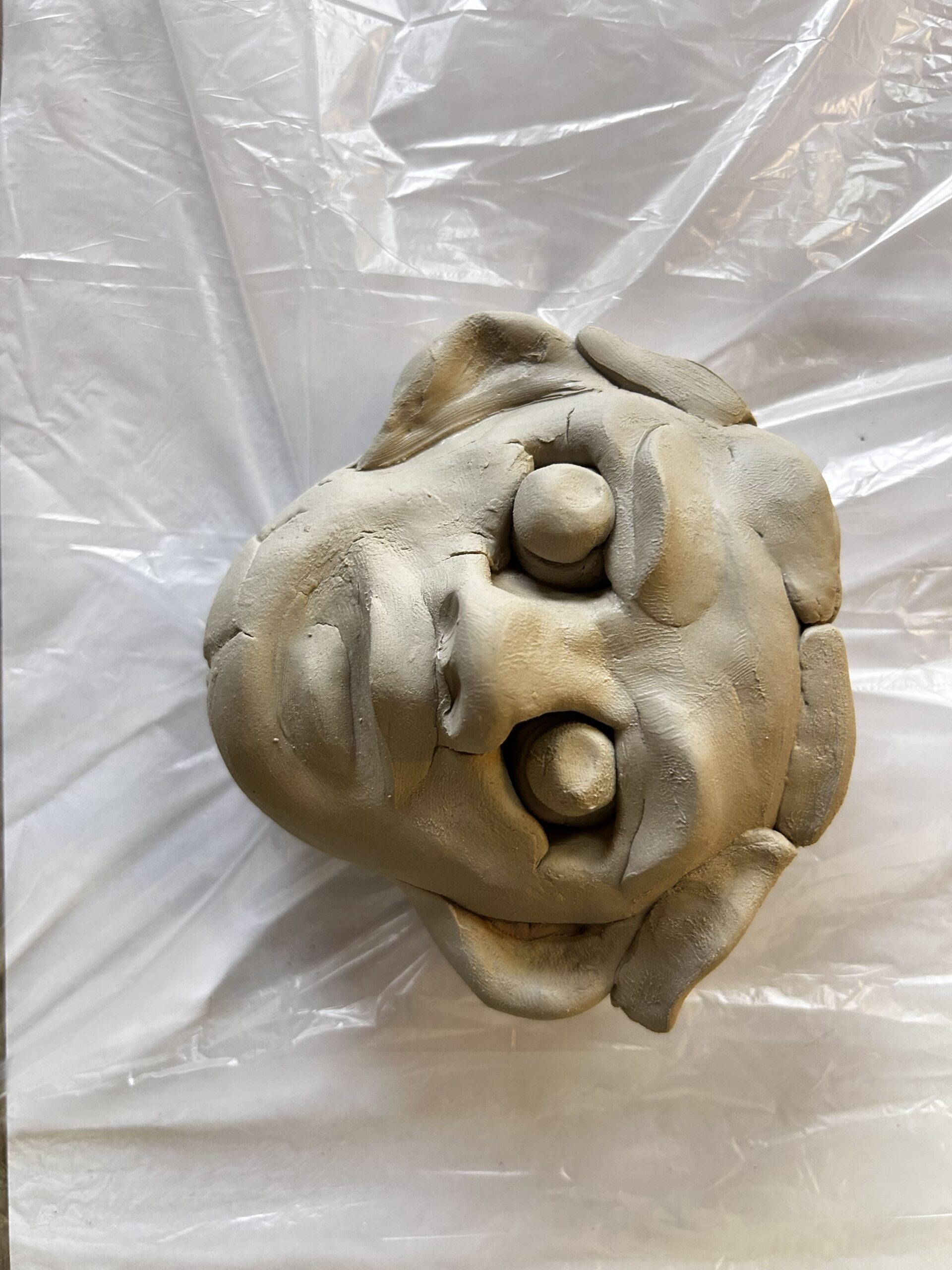
Touching the Ground (Clay)
- Clay (200g)
- Bowl(s) with water
- Scarf/blinfold (optional)
- Foil
- Music (optional)
- Take a lump of clay and try out how the clay feels – how the texture changes when you just hold it in your hands, then pour a bit of water on the clay and make it more moisturised.
- Take a bigger lump of clay and make a ball out of it – as big as your palm, so that it fits there.
- How does it feel? Warm, cold?
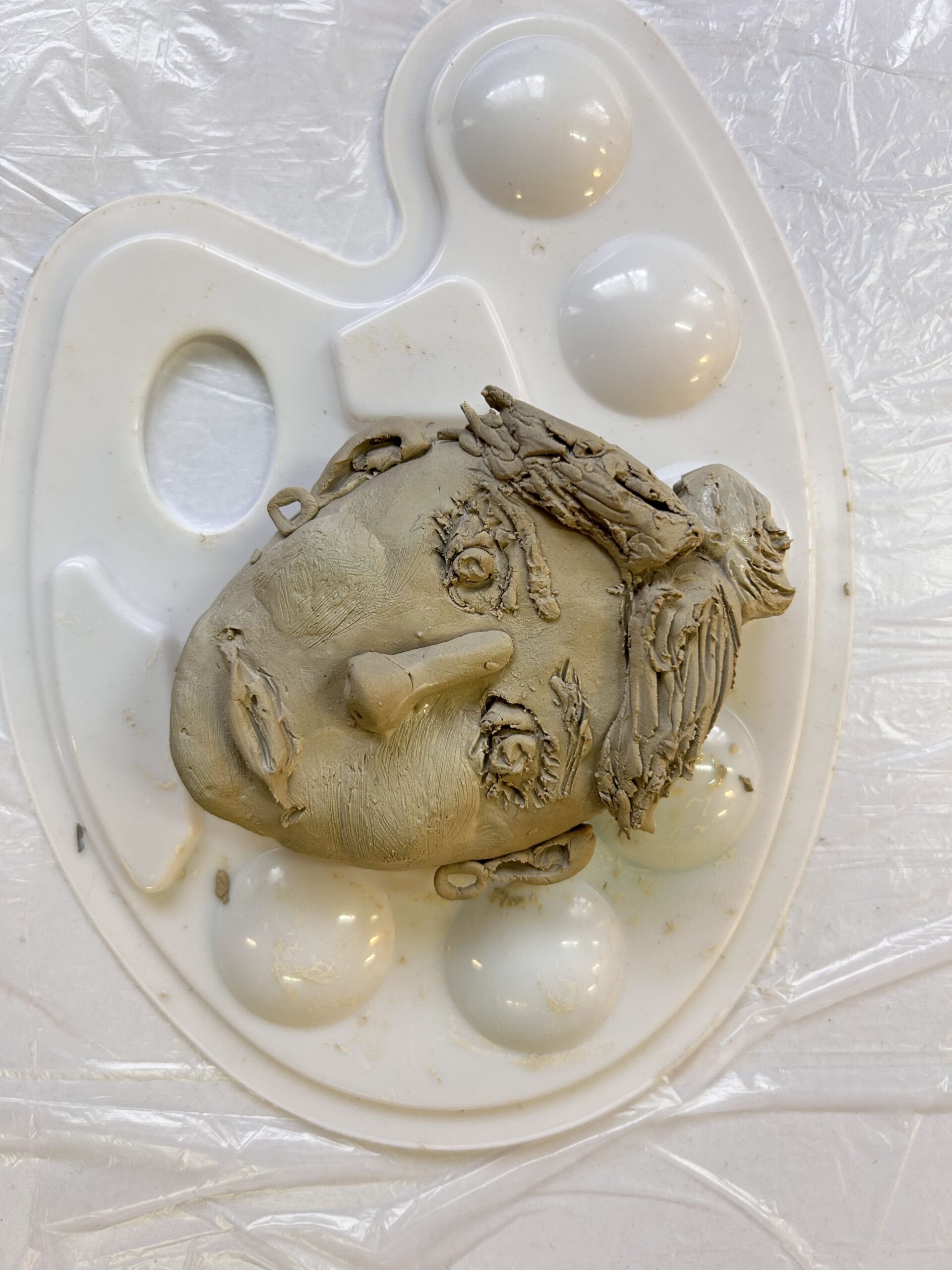
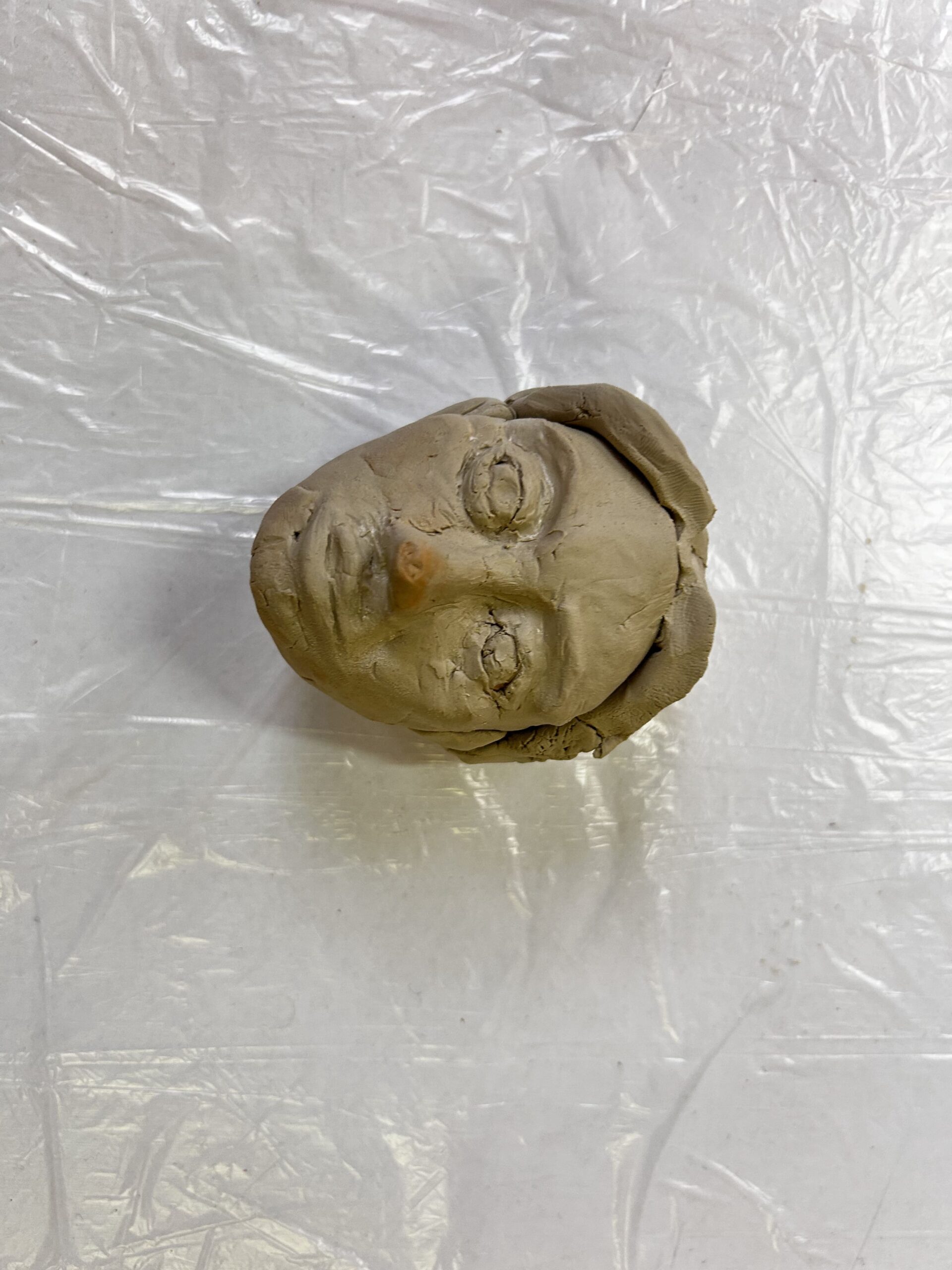
- Create your own face or face of another person with just clay.
- Optional variant is to be blindfolded for getting more in touch with feeling with your hands (+ it can help with perfectionism).
- “How did the clay make you feel when it was warm, cold, dry and wet?”
- “When creating the face, have you noticed something unusual?”
- “How was it for you when you were blindfolded?”
Participants’ testimonials
Learning materials for Youthworkers and curious ones
Comparative analysis of Youth in Austria, Czechia, Hungary and Ukraine
Transnational report, 2025
Analysis of 12 focused groups across 4 countries, with 100+ youth from 18 to 30 years old.
It combines quantitative data (demographics, education, labour market, digital use) with in-depth focus group insights to provide a nuanced, lived understanding of youth realities.
The tool explores key thematic areas shaping young people’s lives:
- Mental health and everyday stress
- Social media as both connection and pressure
- Belonging, exclusion and group dynamics
- Inequalities linked to migration, gender, war, and socioeconomic status
- Art as coping strategy, identity work and community-building practice
The tool foregrounds young people’s own language and experiences. It highlights how creativity and artistic practices function as accessible, low-threshold tools for emotional regulation, self-expression and resilience — especially for marginalised youth. Read all>>
Self-care Group Art Activities for Youth
National booklets of art activities experienced and tested on national level, including description of implementation, and impact
About Art Well Project
Art Well is an international project between Austria, the Czech Republic, Hungary, and Ukraine, focused on promoting the destigmatization of mental health care and supporting self-care for mental health among youth (especially marginalized groups) through art practices.
As a part of the projects, partners:
- 6-10 youth each, where at least 60 % of them were from marginilised background
- min 1 hour each
- 3 focus groups on national level
- 4 national workshops each partner
- 20+ youth in total, where at least 60 % of them were with fewer opportunities
Art Well
01/03/2025 – 31/03/2027
no. 2024-2-CZ01-KA220-YOU-000279612
The project is co-funded by the European Union